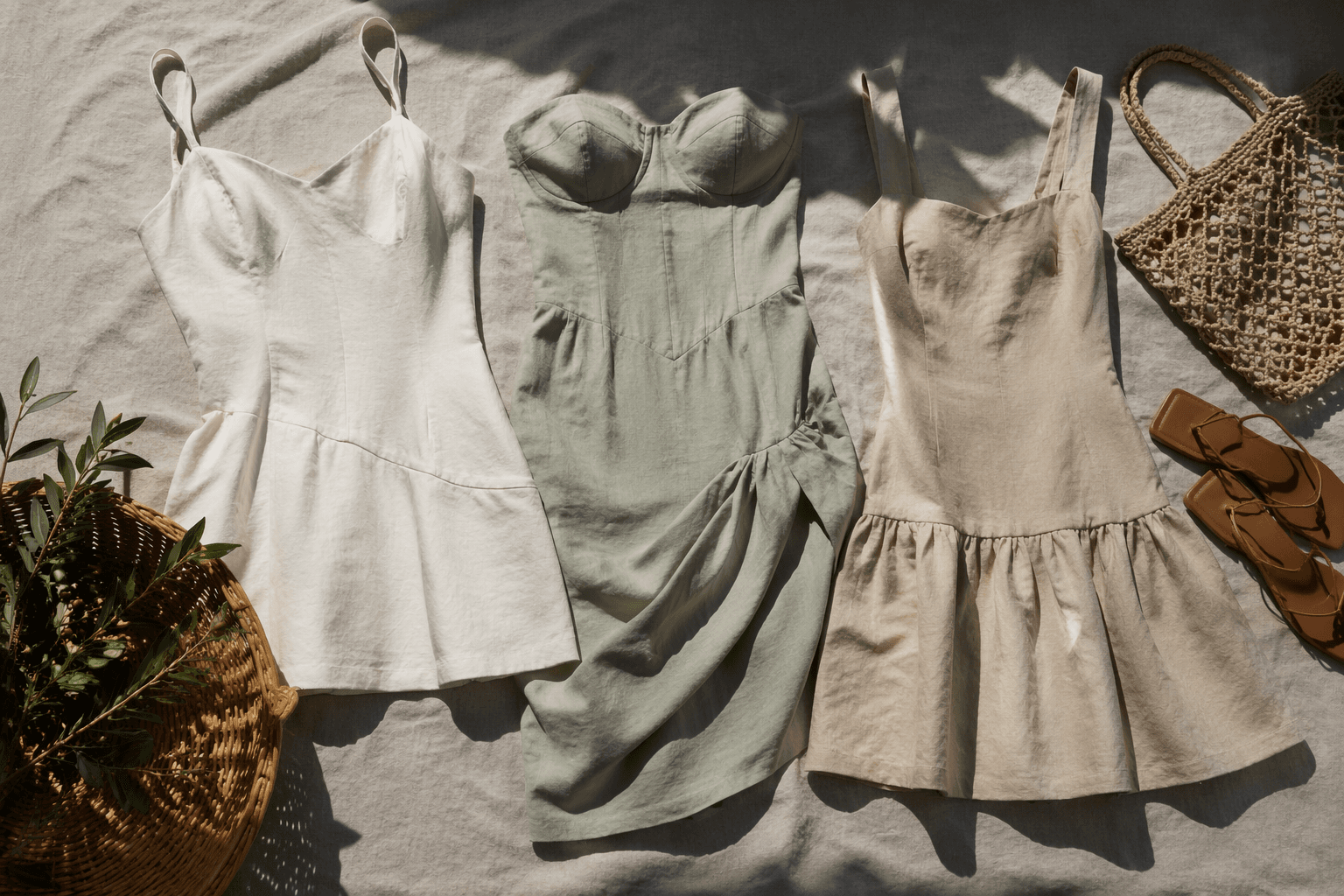
COS’s Cropped, Structured Staples Are Petite-Friendly and In Demand
COS’s cropped tailoring solves the petite proportion problem with cleaner lines, but its roomier cuts only work when you know where to trim.

COS has always understood the appeal of restraint. The brand builds its wardrobe around exceptional quality, lasting design, and a material-led minimalism that feels sharper than basic and less precious than luxury. For petites, that philosophy matters because COS tends to cut clothes with architecture: shorter hems, cleaner shoulders, and silhouettes that skim before they swamp.
That is why the current wave of interest makes sense. COS is no longer a quiet insider label; it has become one of the most visible names in modern everyday dressing, with a global footprint that stretches across Europe, Asia, North America, the Middle East and Australia. The brand was born in London in 2007 under H&M Group, launched online in 2011, and has kept expanding the conversation around minimalist clothes that still feel deliberate.
The COS shapes that do the most for petites
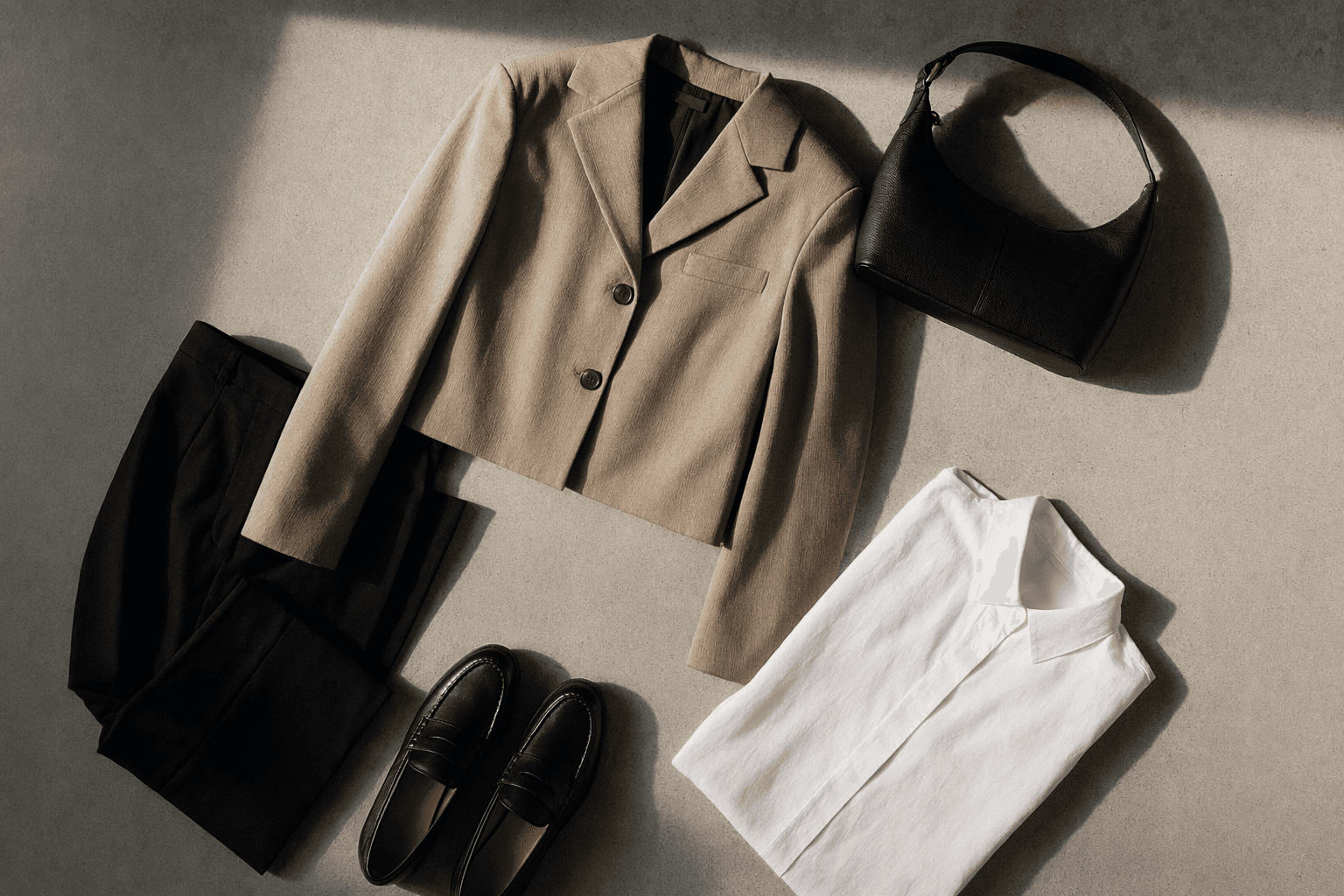
The easiest wins are the pieces that shorten the visual line without losing structure. Cropped trenches are a prime example. A trench that lands above the knee or at a controlled mid-thigh point keeps the body from disappearing under too much fabric, especially when the belt sits neatly at the waist rather than dragging the eye downward. On a petite frame, that crisp break is everything.
Tailored straight-leg trousers are another quiet hero. COS’s own fit language runs from slim to oversized and from straight-leg to wide-leg, but the straight-leg shapes are the most naturally proportion-friendly because they move in a clean column from hip to hem. They do not flare into the room, and they do not need much alteration to feel intentional, which is exactly what smaller proportions need.
Culottes can work beautifully too, provided the crop is disciplined. When the leg opens just enough to create air around the ankle, the effect is modern rather than bulky. The same logic applies to knee-length denim shorts, which can read polished instead of fussy if the hem lands cleanly and the rise sits where it should, not low on the hip.
Then there are the barrel-leg trousers, the style that has pushed COS further into the mainstream. Grazia reported the cotton version at £75 and described the cut as structured at the knee and tapering slightly at the ankle. That shape is useful on petites because it creates form without needing length to make its point. The volume sits where the silhouette can support it, then narrows before it overwhelms the frame.
Where to be careful with volume
COS can be excellent for petites, but not every minimalist shape is automatically petite-friendly. The brand’s public size guidance leans on body measurements, garment measurements, and international conversions rather than a dedicated petite range, so the onus is on you to read the line of a garment before you commit. If a trouser is meant to sit low, a sleeve runs long, or a wide-leg cut depends on inches of extra length, the clean COS effect can turn into drag.
That is where tailoring caution matters. Very wide legs, extra-long hems, and oversized outerwear can flatten the body if the proportions are not adjusted. A petite frame usually benefits most when only one part of the outfit carries volume at a time, which keeps the look architectural instead of swallowed. The point is not to avoid shape, but to keep the shape working for you.
COS’s fit guide is helpful here because it shows how the brand thinks about proportion: slim, oversized, straight-leg, and wide-leg all sit in the mix. That breadth is useful, but it also means the same collection can include pieces that are precise and pieces that need a sharper eye in the fitting room. If the waist falls to the hip or the sleeve covers the hand, the minimalist line starts to lose its edge.
How to shop COS like a petite editor
The best strategy is to chase clean breaks and visible structure. Look first for cropped outerwear, trousers with a firm seat and a straight fall, and hems that land with purpose rather than pooling. COS is strongest when the garment seems to have been designed with an eye for line, not just trend.
- Choose cropped trenches, straight-leg trousers, and controlled culottes before you reach for softer volume.
- Check garment measurements, not just size labels, because COS sizes are built around body and garment data rather than petite-specific grading.
- Keep oversized layers away from the face and shoulders unless the rest of the outfit is sharpened with a narrow trouser or a shorter hem.
- Treat barrel-leg shapes as an option, not a default: they work best when the knee is sculpted and the ankle tapers neatly.
A simple fitting-room rule helps:
That last point is part of why the barrel-leg trouser has taken off so strongly. It delivers shape, but not the kind that drowns a shorter frame. On petites, that balance is often the difference between looking styled and looking swallowed.
Why COS is having such a moment
The demand numbers tell their own story. In Lyst’s Q1 2025 report, COS surged 11 places to become the world’s sixth hottest brand, with demand up 44 percent. It was the first time a mass-fashion label entered the top 10 of the Index, which says a lot about how far the brand’s pared-back, architectural language has traveled.
That visibility also reinforces the case for petites. When a label this influential leans into structured minimalism, the pieces that once looked niche start to feel like the smartest answer to everyday dressing. COS is not selling fantasy; it is selling clothes that do one job well, and for smaller frames that job is usually proportion.
There is a sustainability angle too. TheIndustry.fashion reported that 76 percent of the materials used in the COS collection were sustainably sourced by 2020. In a market where minimalist clothes can sometimes feel interchangeable, that detail adds another layer of distinction. The brand’s clean lines are not just aesthetic; they sit inside a larger promise about craft, materiality, and durability.
COS succeeds because it knows when to stop. For petites, that restraint is the point: the right cropped coat, the right straight-leg trouser, the right knee-skimming cut can make an entire wardrobe feel longer, neater, and more expensive without a single unnecessary flourish.
This article was produced by Prism’s automated news system from verified source data, official records, and press releases, then run through automated quality and moderation checks before publishing. The system is built and supervised by the people who set the standards it runs under. Read our full AI policy.
Did this article answer your question?