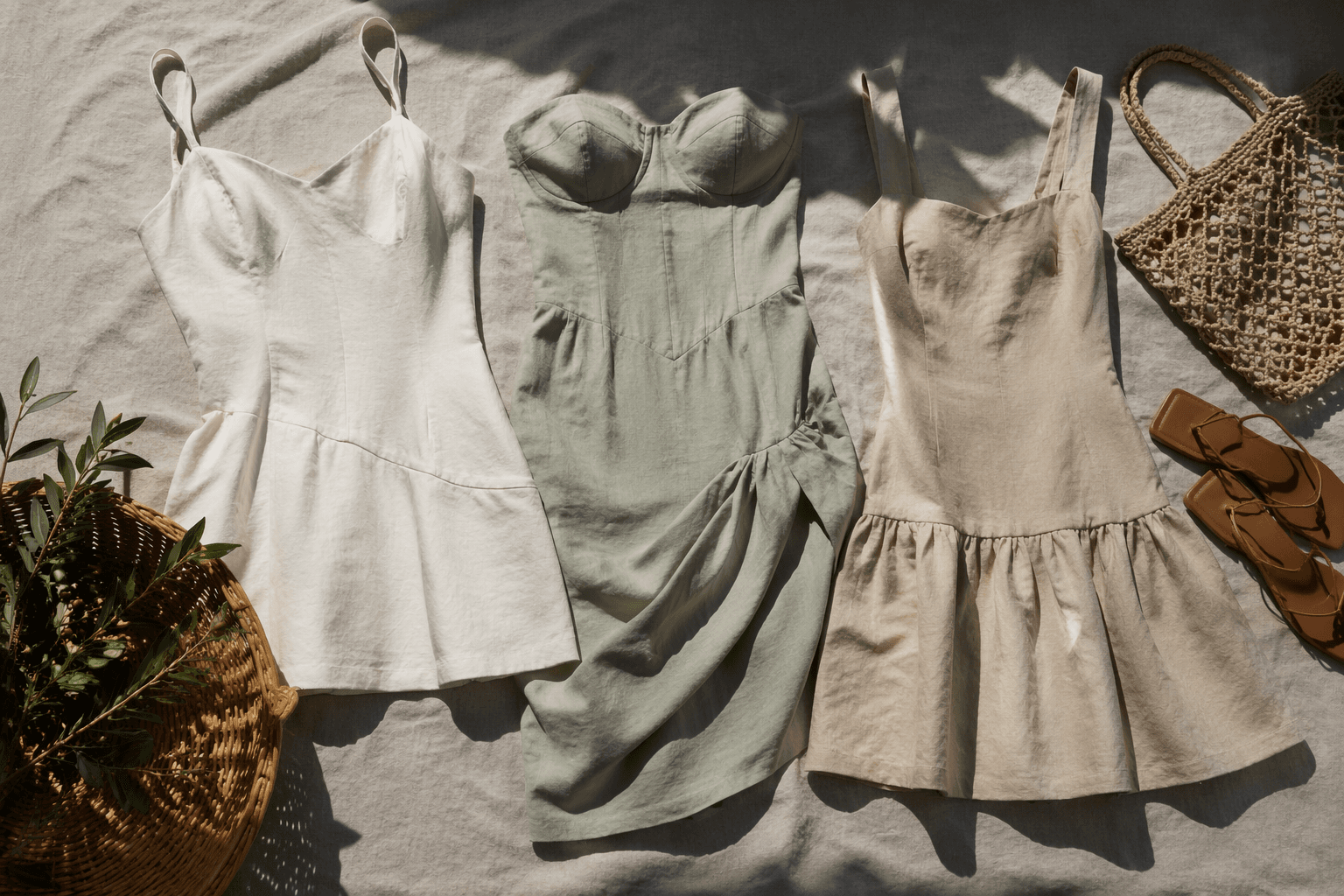
Dresses That Flatter Petites: Hemlines, Waist Placement, Sleeve Length, Silhouettes
Petite dressing is a study in proportion: shorten hems, raise the waist, scale sleeves and choose silhouettes, like a tailored mini or knee-grazing A-line, that read designed for a smaller frame.

Think of a designer who starts every sketch at the waistline: that intent is what turns a regular dress into a petite-friendly one. Petites benefit when a dress is conceived with shorter hemline options, adjusted waist placement, sleeve length scaled down and overall altered proportions, those are the four levers that transform fit and silhouette. Below I break each down with practical guidance, fabrics to favor, and real-world styling and alteration notes so you can shop or tailor with precision.
1. Hemlines
Hems are the most literal trick in the book: shorter hemline options instantly lengthen the leg line when positioned correctly. For petites, a mini or hem that lands above the knee creates the visual of longer legs; a knee-grazing hem, when paired with a high or defined waist, preserves proportion without looking matronly. Avoid ankle-length or maxi hems that have a lot of volume at the lower leg unless the dress has a high slit or streamlined column, otherwise the fabric can visually “cut” your height. Practice with shoes: a nude or tonal heel and a clean instep will extend the line further, while bulky ankle straps interrupt it; for flats, favour pointed or low-vamp styles to maintain length.
2. Waist placement
Adjusted waist placement is the subtle geometry that makes a dress feel like it was made for you rather than altered to fit. Raising the waist slightly above the natural waist, an empire or high-waist seam, creates the illusion of longer legs and is an especially effective tweak for petite proportions. Conversely, a very low hip waist will shorten the torso visually and can swamp a petite figure; if the dress’s seam hits too low, have the waistline raised by an inch or two so the skirt starts closer to the ribcage. Structured waist details, topstitching, vertical darts, and a defined belt, read as intentional design and maintain proportion; avoid bulky belts that sit mid-hip as they tend to cut the body in half.
3. Sleeve length
Sleeve length is more than comfort: it’s a proportion tool. Shorter sleeve options, cap sleeves, short puff sleeves, or sleeves that stop at the high-bone of the shoulder, preserve visual balance and keep the arm from being overwhelmed by fabric. Three-quarter sleeves work well for petites because they reveal part of the forearm, which creates a visual break and prevents the arm from looking swallowed; long, full bishop sleeves or overly wide cuffs can overpower a smaller frame unless the rest of the dress is extremely fitted. When trying on dresses, note where the sleeve ends relative to the elbow and wrist; small adjustments (an inch or two) at the hem of the sleeve can make a big difference, and many seamstresses will narrow a sleeve or shorten length without damaging the design.

4. Silhouettes
Silhouette choice is the final statement, start with options that were named as especially petite-friendly: the tailored mini and the knee-grazing A-line. A tailored mini uses structured fabrics like crepe, wool suiting, or heavier stretch cotton to hold clean lines; vertical seams, princess seams, and a nipped-in waist avoid bulk and keep proportion sharp. The knee-grazing A-line offers a softer approach: when the skirt gently flares from a slightly raised waist and stops at or just above the knee, it preserves waist definition while adding movement that doesn’t overwhelm a petite frame. Both silhouettes benefit from design features that reinforce verticality, center-front seams, narrow lapels, and elongating necklines, so choose versions with deliberate seam work or paneling rather than shapeless cuts.
- When in doubt, alter: raising a waist by 1–2 inches or shortening a hem by 2–4 inches (depending on your height and comfort) are routine adjustments that pay dividends.
- Use footwear to extend or ground proportion: tonal heels and pointed flats lengthen; ankle straps should be narrow or avoided where possible.
- Choose fabrics with an appropriate hand: light-to-medium weight crepes, fine suiting, and stable jerseys keep silhouettes crisp; heavy plissé or overly voluminous chiffons can drown small frames unless balanced by structured seams.
- Look for design cues that read small-scale: narrower lapels, small buttons, and petite-scale prints keep the overall effect in proportion; large florals or oversized ruffles can dominate.
Practical tailoring and styling checklist
Final stitch Petite dressing is not about shrinking design down, it’s about re-engineering proportion so a dress reads intentional on your body. Shorter hemlines, raised waistlines, scaled sleeves and the right silhouettes, like a precise tailored mini or a knee-grazing A-line, are the four moves that consistently work. Invest in a good tailor and choose fabrics and details that reinforce verticality; when those elements are aligned, even a simple dress will feel like it was made with you in mind.
This article was produced by Prism’s automated news system from verified source data, official records, and press releases, then run through automated quality and moderation checks before publishing. The system is built and supervised by the people who set the standards it runs under. Read our full AI policy.
Did this article answer your question?