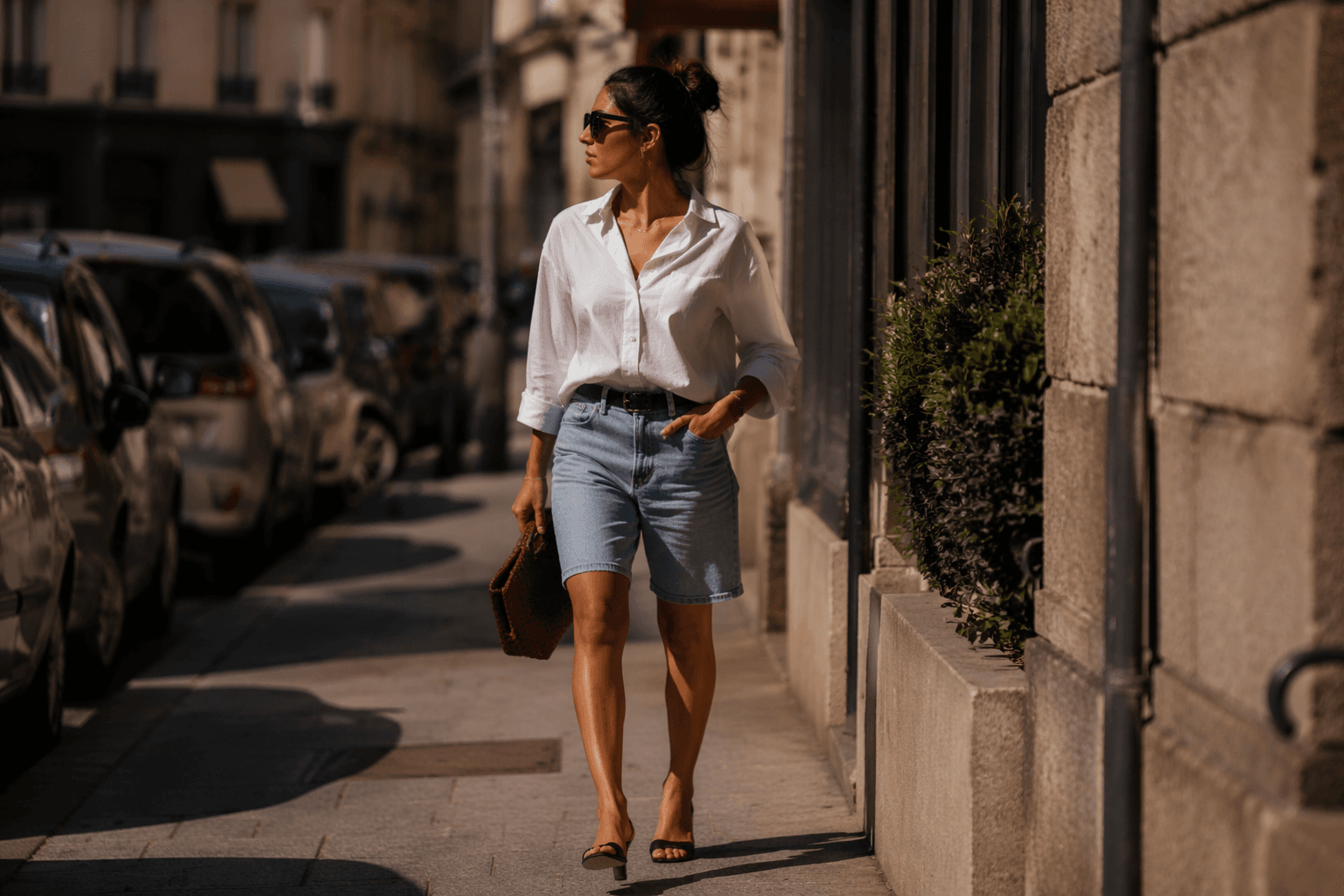
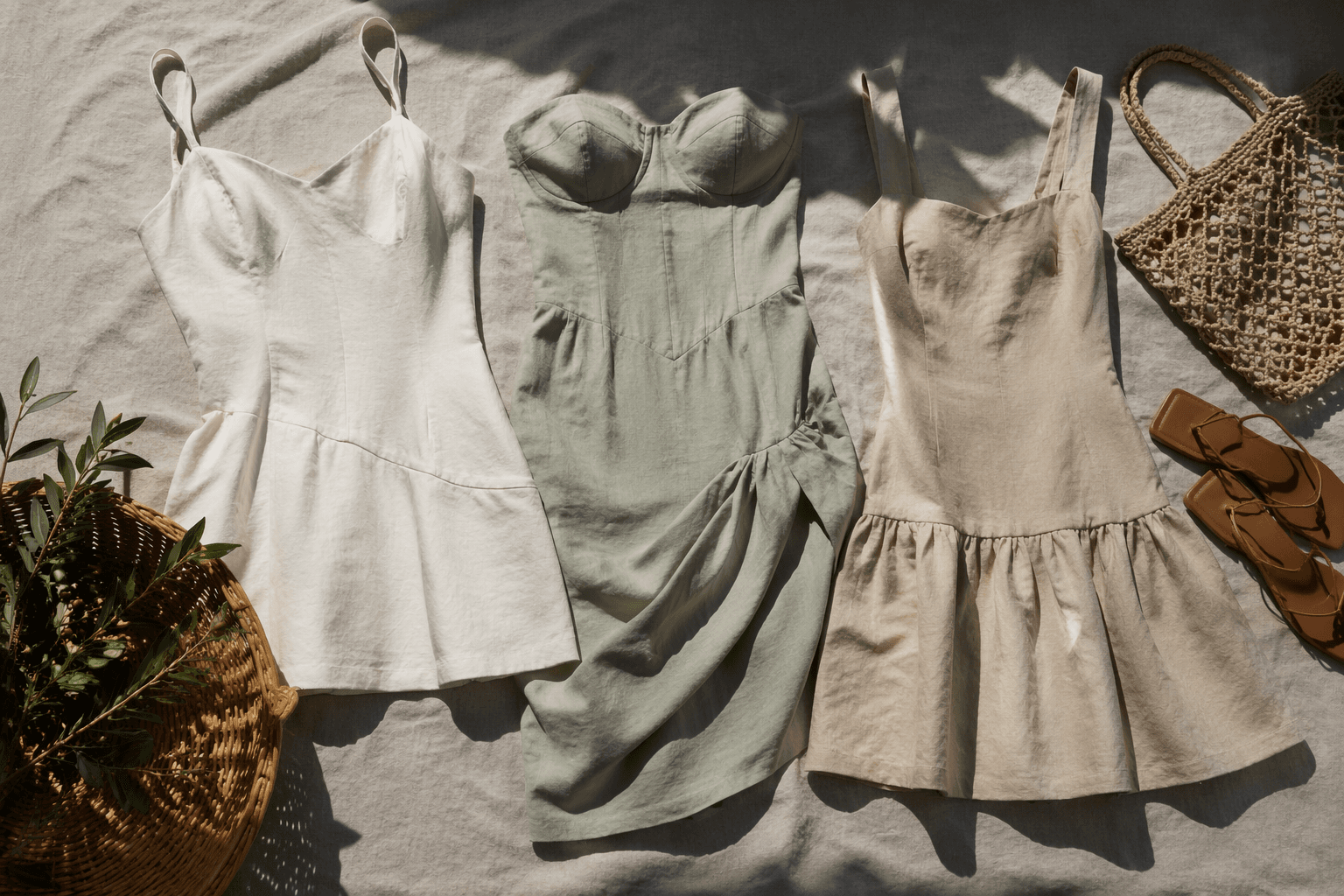
Flowy Spring Dresses That Flatter Petite Frames Best
Petite spring dresses work when they shape the body, not drown it. The winning formula is a defined waist, smarter print scale, and lengths that land with intent.
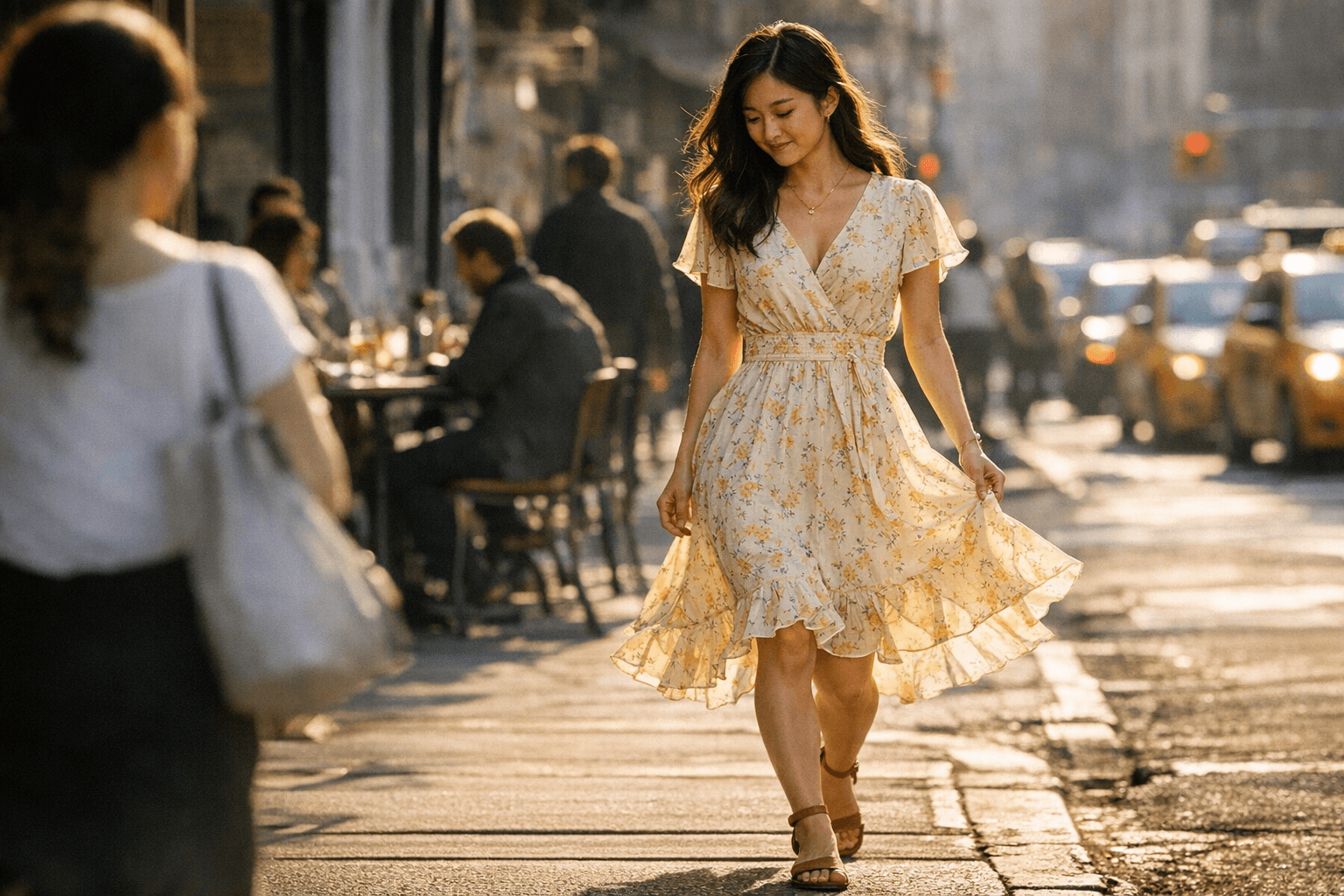
Petite dressing starts with proportion, not size
The petite sweet spot is not about shrinking a trend until it fits. It is about getting the dress to read in the right proportions on a shorter frame, which is exactly why cinched waists, smaller prints, and controlled volume matter so much. Macy’s defines petite clothing as being designed for women 5'4" and under, cut proportionally to flatter that frame, and Nordstrom’s dedicated petite category, with more than 2,000 items, makes clear this is a mainstream shopping lane, not a niche afterthought.
That scale matters because a dress can be beautiful and still look off if the visual weight sits in the wrong place. On a petite body, a waist that lands too low, sleeves that swallow the forearm, or a hem that cuts the leg at an awkward point can flatten the whole look. The right dress creates shape first, then movement. It lets the eye travel up and down cleanly instead of stopping at one oversized detail.
The silhouette trick: keep the eye moving
The best flowy spring dresses for petites do their work by creating a vertical line and then interrupting it with a waist. Who What Wear’s petite editors kept repeating the same core idea in 2025 and 2026 coverage: elongate the frame and define the waist. That is the whole game. A cinched middle gives the body a focal point, while a softer skirt adds air without turning into fabric overload.
Babydoll dresses are a good example when they are cut with restraint. The shape can feel sweet and easy, but on a petite frame the top half needs to stay clean enough that the volume starts below the bust or at a neat waist seam, not all over the torso. Too much puff too high on the body makes the dress look like it is wearing you. The flattering version gives you lift, then lets the skirt move.
Eyelet works for the same reason, but with texture. The openwork keeps the dress light, so it does not visually thicken the body the way heavy fabric can. Petite-friendly eyelet looks best when the pattern is controlled and the silhouette stays close enough to the body to show where the waist is. If the eyelet dress goes full curtain, it loses the crispness that makes it feel fresh.
The dresses that feel easy, not overworked
Denim dresses bring structure into the conversation, which is useful for petites who want shape without stiffness. Denim gives the eye something to hold onto, especially when the fit follows the body through the bodice and then opens through the skirt. The danger is bulk: thick denim, oversized pockets, and too much length can turn a cute spring dress into a heavy block.
Off-shoulder dresses can be especially flattering because they open up the top of the body and create a broader visual frame without adding width everywhere else. That neckline pulls attention upward, which helps lengthen the look of the body below. The mistake is pairing that open neckline with too much skirt volume, which can push the proportions out of balance fast. Keep the top airy, but let the bottom stay controlled.
Prints and lengths need discipline
Checkered midi dresses are where petite shoppers either win or lose the proportion battle. A smaller check keeps the print from overpowering the frame, while a midi length can look sleek if it lands at a thoughtful point on the leg. The wrong version can chop the body in half, especially if the hem lands at the widest part of the calf or the print scale is too large and loud.
That is why dainty prints keep showing up in petite-friendly advice. Small-scale patterning reads as texture first and pattern second, which keeps the eye from getting stuck. It also works with spring’s lighter mood. A tiny floral, a compact check, or a subtle repeat gives the dress personality without turning the whole outfit into visual noise.
Linen dresses belong in the conversation too, but they need restraint. Linen already carries a relaxed, breezy energy, so the cut has to do the shaping work. The best petite linen dress has a defined waist, a clean neckline, and enough body through the skirt to skim instead of billow. Left unchecked, linen can collapse into shapelessness. When it is cut well, it looks effortless in the good way, not unfinished.
The tailoring traps petites should dodge
The biggest mistake is assuming flowy means oversized. On a petite frame, too much volume in the skirt, sleeves, and shoulders at the same time creates a short, boxed-in effect. If the bodice is loose, the waist disappears. If the sleeves are long and the hem is too long, the eye never gets a clean line to follow. If the print is too big, the dress starts wearing the person instead of the other way around.
Recent petite-focused shopping guides keep circling back to the same practical fix: the best dresses are the ones you can wear without calling the tailor first. That happens when the bodice, sleeve length, and hem are already proportioned correctly. A shorter-length bodice is especially important because it resets where the eye thinks your waist is. Once that point is right, everything below it feels longer, lighter, and more balanced.
Why this keeps mattering
This is not just style advice for a narrow group of shoppers. Grand View Research estimated the global women’s wear market at $1,054.52 billion in 2023 and projected it to reach $1,325.90 billion by 2030. It also estimated the global apparel market at $1.84 trillion in 2025, which is exactly why petite proportioning is not some side conversation. The category is commercially huge, and petite shoppers are a serious part of that demand.
That is also why the retailer landscape matters. Macy’s is explicit about petite sizing, and Nordstrom’s broad petite assortment shows there is real infrastructure behind it. The message from the best petite styling coverage is consistent, and it is not trendy fluff. Keep the waist visible, keep the print scaled down, and keep the volume under control. When a spring dress does those three things, it stops fighting the body and starts flattering it.
This article was produced by Prism’s automated news system from verified source data, official records, and press releases, then run through automated quality and moderation checks before publishing. The system is built and supervised by the people who set the standards it runs under. Read our full AI policy.
Did this article answer your question?