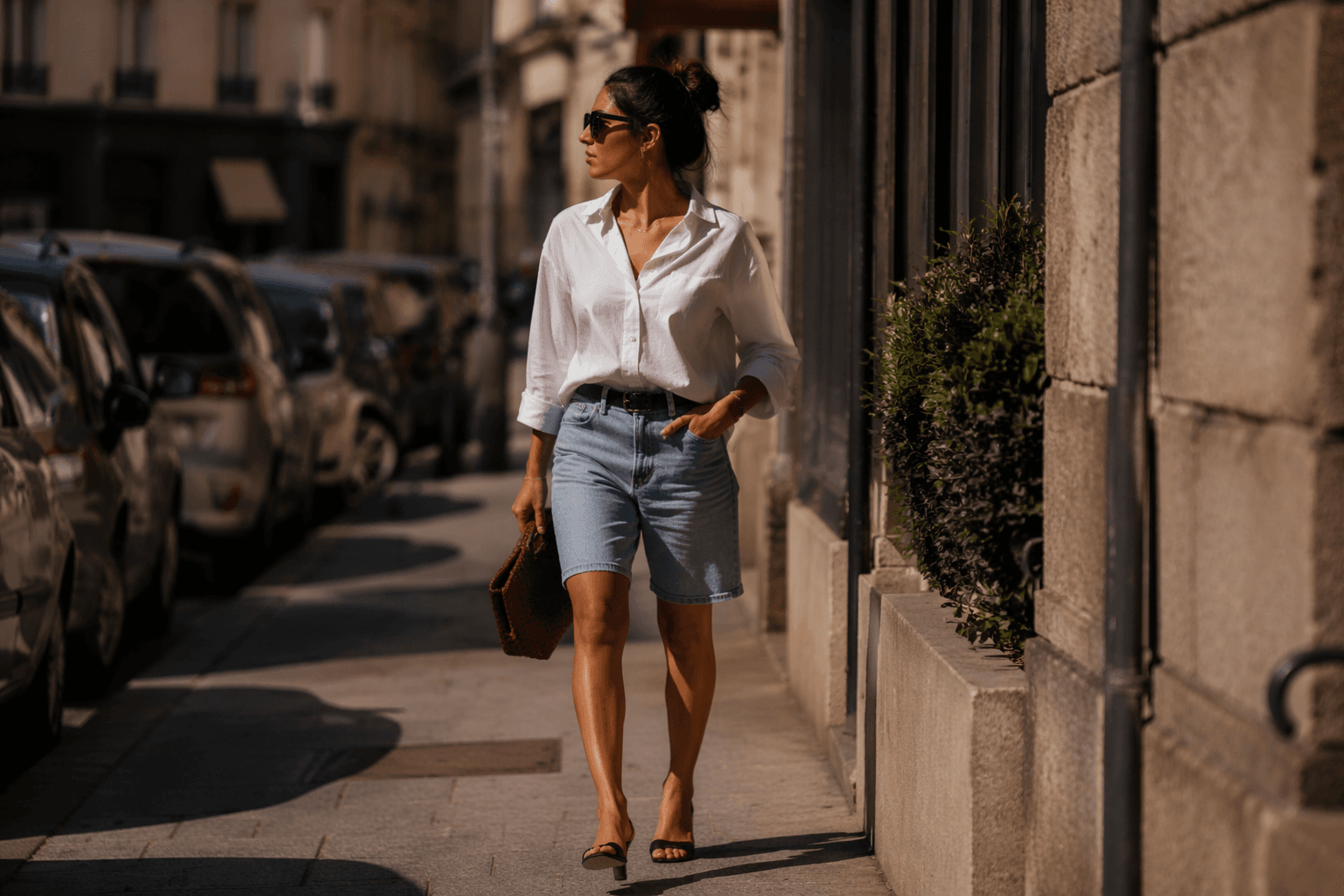
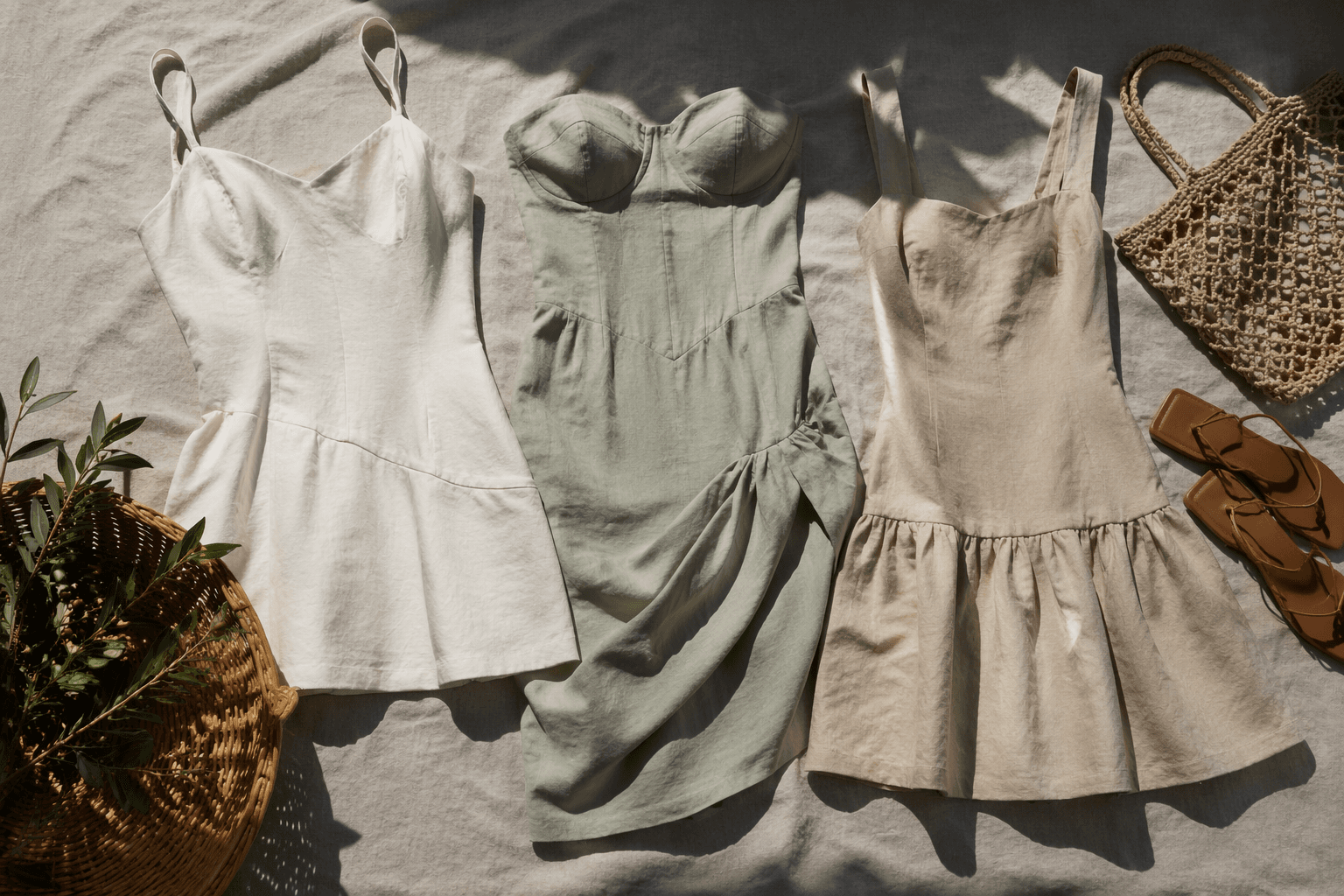
Lightweight spring jackets solve petite in-between weather dressing
The petite spring jacket sweet spot is short, light, and sleeve-smart, so you stay covered without losing your line.

The petite spring jacket problem
The wrong jacket is a small mistake with big visual consequences. Add a boxy shoulder, a sleeve that eats your hand, or a hem that lands at the widest part of the hip, and the whole outfit starts to look heavier than the weather itself.
That is why the old “all you need is a light jacket” line from *Miss Congeniality* still works as a shorthand for this moment in the calendar. Spring feels real, but it still swings from chilly mornings to warmer afternoons, and the petite version of that problem is all about proportion: you need coverage without bulk, and warmth without a second layer that overwhelms your frame.
What petite jackets should do first
The first rule is simple: the jacket should work with your body, not compete with it. Who What Wear’s petite guidance is especially useful here, because cropped jackets that finish above the waist avoid swamping a shorter frame and can create the illusion of a longer torso. That detail matters more than trend noise, because on a petite body the wrong hemline changes the whole read of an outfit.
When you try one on, look for these proportions:
- A hem that sits above the hip, especially if the jacket has structure
- Sleeves that end at the wrist, not halfway over the hand
- Lightweight fabric that moves, rather than thick padding or heavy lining
- Enough shape through the shoulder to look intentional, but not so much volume that it becomes the outfit
The most flattering spring jackets for petites are often the ones that seem almost quiet at first glance. Cropped denim, a pared-back bomber, a shorter workwear jacket, or a mini trench all solve the same problem in different accents: they add a layer, but they do not add visual weight.
For commuting, choose the layer that disappears into the outfit
Commutes are where spring jackets prove their worth. One minute you are stepping into a breezy morning, and the next you are in a train car, a rideshare, or a hot office lobby, trying to shed bulk without looking rumpled. That is exactly why lightweight layers are so useful in the “not too hot, not too cold” zone.
For petites, the best commuting jacket is usually a cropped or slightly shortened style that closes cleanly and stops before the thigh. A hip-length jacket can work if it is very slim and almost tailored, but once the fabric starts to pile up at the sides, it can make a petite frame look boxed in. A lighter trench or workwear-inspired jacket can do the job if the cut stays trim and the construction feels easy, not hefty.
For dresses, keep the jacket line higher than the hemline drama
Dresses already bring their own silhouette, which is exactly why outerwear should stay disciplined. Over a midi or maxi, a jacket that lands at the waist or just above it keeps the eye moving upward and lets the dress keep its shape, instead of splitting the body in half at an awkward point.
This is where cropped jackets earn their reputation. On petites, a shorter jacket can make a dress look deliberate rather than over-layered, especially when the sleeves are narrow enough to sit neatly instead of ballooning. If your dress is fluid, the jacket should be the firmer note; if the dress has structure, the jacket should be the lighter one. The goal is a clean vertical line, not a pileup of competing hems.
For weekend denim, lean into structure, not size
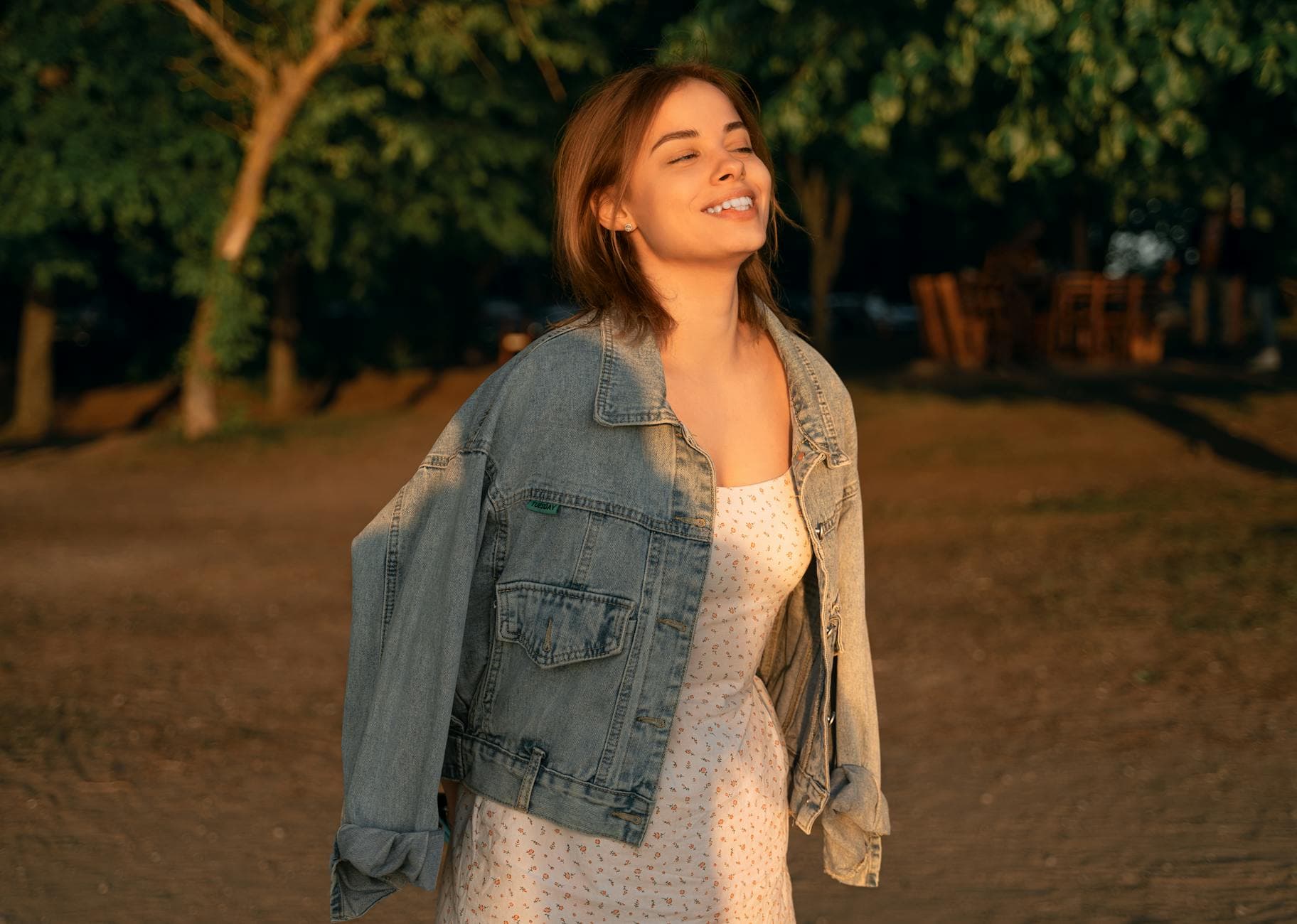
Denim is the easiest place to make spring layering look effortless, but it can also be where petites get swallowed fastest. A full, oversized denim jacket can feel charming in theory and oddly stumpy in a mirror, especially if the body of the jacket is long and the sleeves are generous. A cropped version, by contrast, sharpens the whole silhouette and keeps the look fresh.
This is also where denim jackets, bombers, barn jackets, and workwear styles become especially practical. They bring enough personality for off-duty outfits, but when they are cut short and light, they do not fight with jeans, skirts, or simple tees. The best weekend version is the one that adds shape at the top and leaves the legs to do the lengthening.
Why light layers matter beyond style
Spring layering is not just a fashion puzzle. The National Weather Service warns that heat illness and death can occur even in spring’s moderately warm weather, and the Centers for Disease Control and Prevention advises light clothing in hot conditions. In other words, the light jacket is not only the neatest answer to changeable weather, it is the smartest one when temperatures rise faster than expected.
That is the real petite advantage of a lightweight jacket: it lets you stay prepared without carrying visual weight you do not need. When the cut ends above the waist, the sleeves are exact, and the fabric is airy enough to move with you, the jacket stops looking like an afterthought and starts doing the exact thing spring demands. It keeps the outfit open, the proportions clean, and the whole look just a little more polished than the weather had planned.
This article was produced by Prism’s automated news system from verified source data, official records, and press releases, then run through automated quality and moderation checks before publishing. The system is built and supervised by the people who set the standards it runs under. Read our full AI policy.
Did this article answer your question?