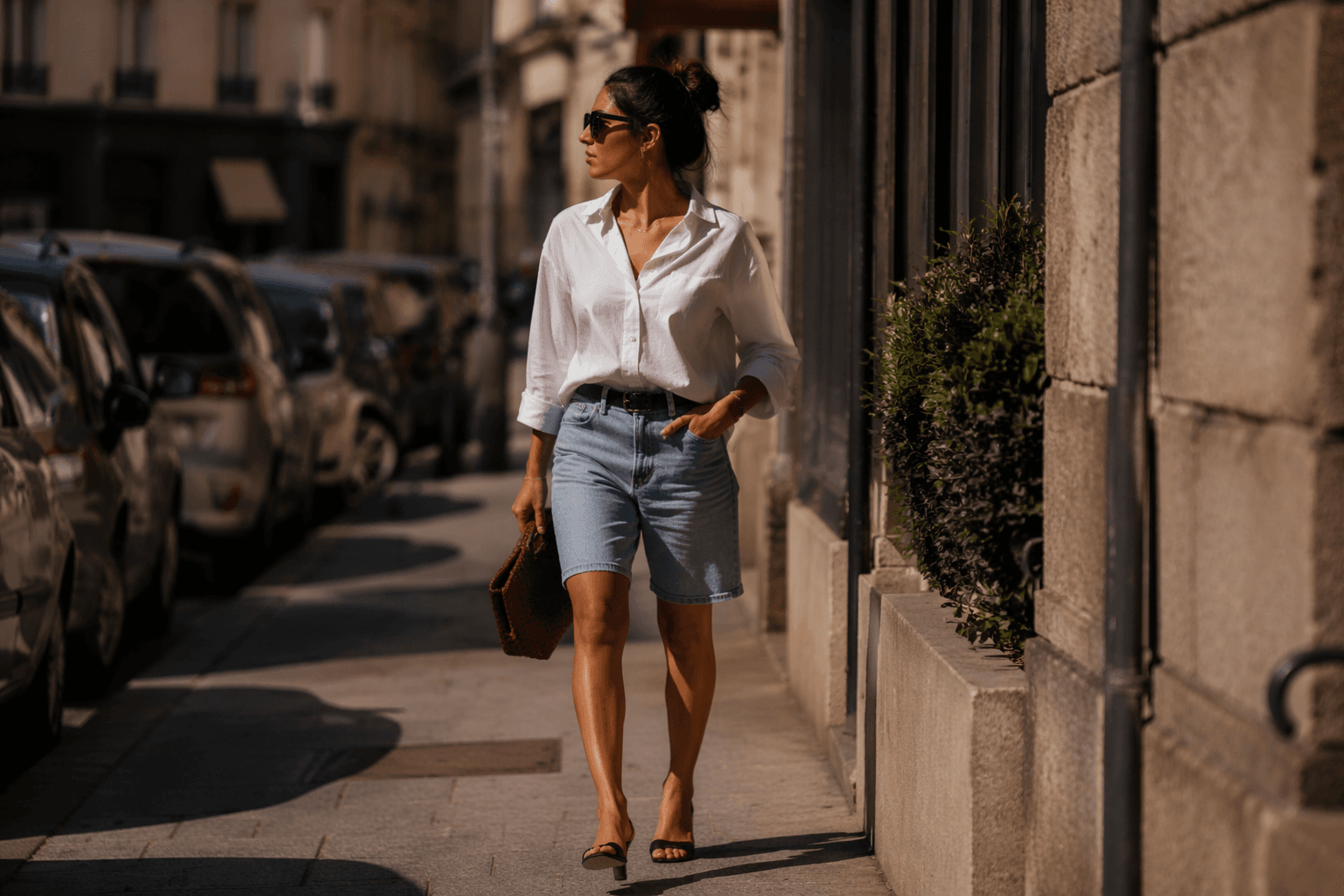
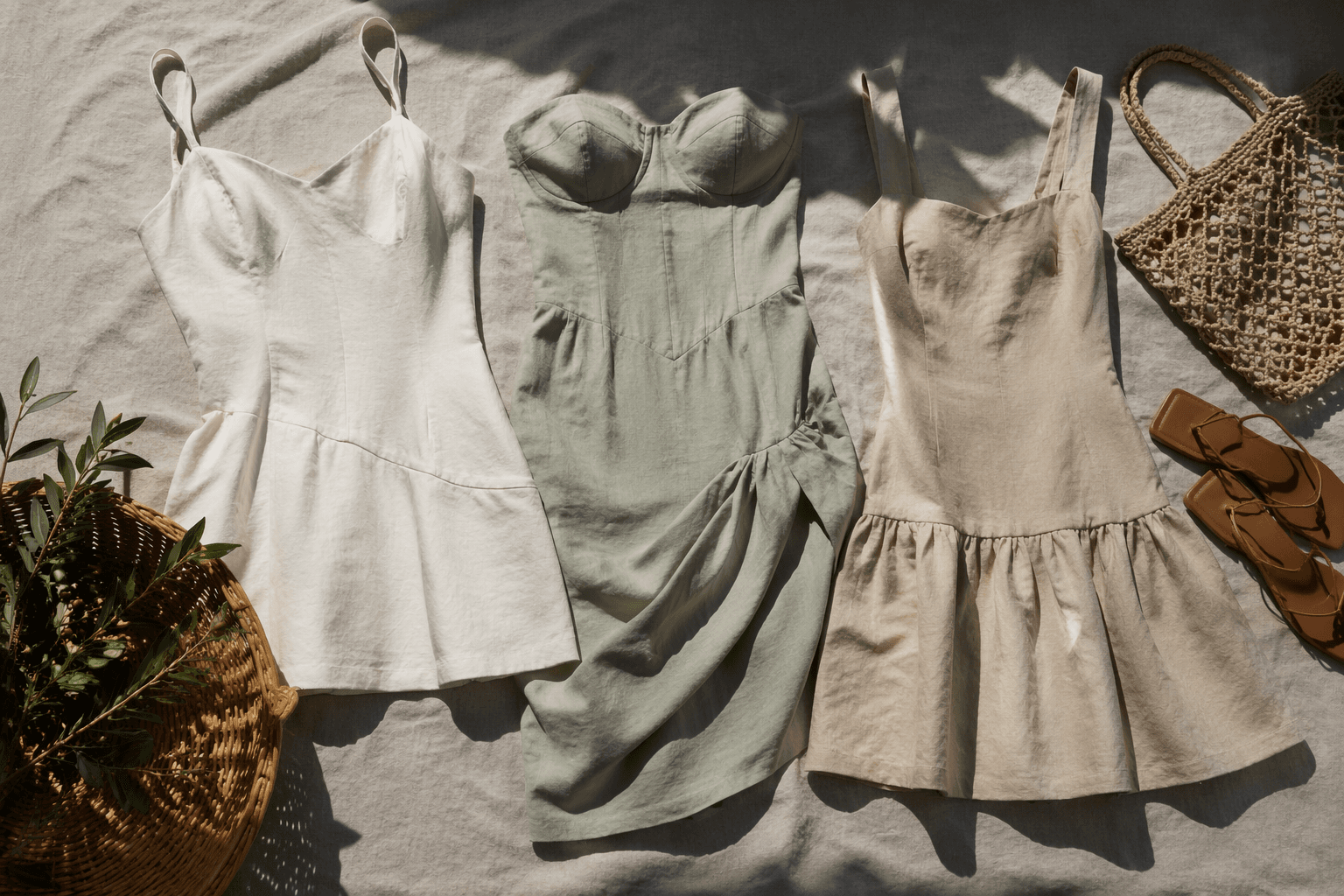
Nobody's Child wins over petites with mini to maxi dress lengths
Nobody’s Child’s petite appeal comes from proportion, not a token hemline tweak: mini, midi and maxi dresses give shorter frames real choice, and a striped drop-waist midi does the rest.

Nobody’s Child has found something many brands still miss: petites do not want fewer options, they want better ones. The label’s strength is not a single “petite” hero but a whole assortment that lets shorter shoppers choose between mini, midi and maxi lengths without falling into the usual trap of swamping fabric, awkward mid-calf cuts or a waistline that lands in the wrong place.
That is why the brand feels so persuasive on a 5'1" frame or a 4'10" frame alike. Instead of simply chopping inches off the hem and calling it done, Nobody’s Child says its petite garments are reworked across the shoulders, waist and hips, with lengths and proportions recalibrated for women 5'3" and under. In practice, that is the difference between a dress that just gets shorter and one that actually understands where the body needs shape.
Why the petite line works
The most useful thing Nobody’s Child does is offer choice without dilution. Its petite dresses come in mini, midi and maxi lengths, and the range also extends to trousers, skirts, jeans, jumpsuits and playsuits. That breadth matters because petite dressing is rarely about a single silhouette; it is about preserving proportion across different kinds of clothes, from a neat leg line in trousers to a hem that does not cut the calf at its widest point.
The brand’s language is telling here. It describes its petite collection as carefully re-crafted with precise adjustments, and says shoulders are brought in, waists repositioned and lengths reworked to suit a petite frame. That kind of constructional thinking is what separates a genuinely considered petite line from a standard size run with a shorter inseam. It acknowledges that on a shorter body, where a waist sits can matter more than how many centimetres have been removed from the skirt.
The result is especially strong for dresses, because dress proportions are where petites often feel punished by fashion. A midi that lands a touch too low can visually drag the leg line; a waist that sits too low can collapse the torso; too much volume can overwhelm the frame altogether. Nobody’s Child’s petite offer solves those problems by giving you mini, midi and maxi cuts that are already edited for scale.
The cuts that flatter, not fight, a shorter frame
Among the most convincing pieces in the assortment is the striped Amanda Midi Dress, which Grazia singled out for its shirred bodice, dropped waist and puff sleeves. On paper, that sounds playful; on a petite frame, it reads as strategically balanced. The shirred bodice offers close fit through the upper body, the dropped waist lowers the visual break in a way that can lengthen the line, and the puff sleeve adds softness without depending on excess fabric elsewhere.
The dropped waist is the crucial move. On petites, a waist seam that sits too high can look forced, while one that is too low can visually shorten the torso in an unflattering way. Here, the dropped waist gives the dress a more relaxed, elongated feel, and Grazia was right to identify it as ideal for petites. It is the sort of cut that works because it understands how to create length with shape, rather than relying on a hemline alone.
The Amanda Midi also points to something broader about Nobody’s Child’s strategy: it does not confine petite dressing to the shortest available hem. Mini lengths are useful, but the brand’s real advantage is that it offers midi and maxi versions in the same proportion-aware system. That gives shorter shoppers the freedom to decide whether they want leg, line or sweep, instead of forcing them into the same abbreviated solution every time.
Beyond one hero dress
The petite story becomes more convincing when you see it extending beyond a single viral style. Grazia also called a Nobody’s Child x Elizabeth Scarlett mini dress a “godsend for petites,” which suggests the brand’s appeal for shorter shoppers is not an accident of one collection. The collaboration format matters too, because it shows petite-friendly proportion can live inside special pieces as easily as it does in the core range.
That broader consistency is what makes Nobody’s Child feel quietly strong in this space. Plenty of labels talk about inclusivity in size, but fewer pair petite options with a full extended and plus-size offer. Nobody’s Child does both, with a separate extended and plus-size clothing range that includes staple plus-size dresses, trousers, tops and skirts. That kind of range architecture is not just commercially savvy; it signals that proportion, fit and accessibility are being considered across the size curve.
There is also a brand-level sensibility that helps the clothes land. Nobody’s Child says it seeks to reduce its impact on the planet and uses reduced-impact materials at accessible prices. That combination matters because petite shoppers are often asked to pay more in alterations for fit that should have been built in from the start. A brand that offers better proportion and keeps the entry point approachable has a sharper point of view than one that leaves the fitting room problem to the tailor.
What petites should look for here
The most effective pieces in Nobody’s Child’s petite lineup share a few traits that are easy to read once you know what you need. Look for:
- A defined or repositioned waist, especially on midi dresses
- A bodice that fits cleanly through the bust and ribs without billowing
- Hemlines that stop intentionally, rather than awkwardly
- Mini, midi and maxi options that let you choose proportion rather than compromise
- Sleeves and shoulders that are rebalanced, not simply shortened
That is the deeper appeal of the brand’s petite offer. It understands that shorter dressing is not about shrinking fashion down, but about adjusting where the eye lands and how the fabric moves over the body. Nobody’s Child gets that balance right often enough to feel dependable, which is exactly why it has become such a quiet winner for petites.
This article was produced by Prism’s automated news system from verified source data, official records, and press releases, then run through automated quality and moderation checks before publishing. The system is built and supervised by the people who set the standards it runs under. Read our full AI policy.
Did this article answer your question?