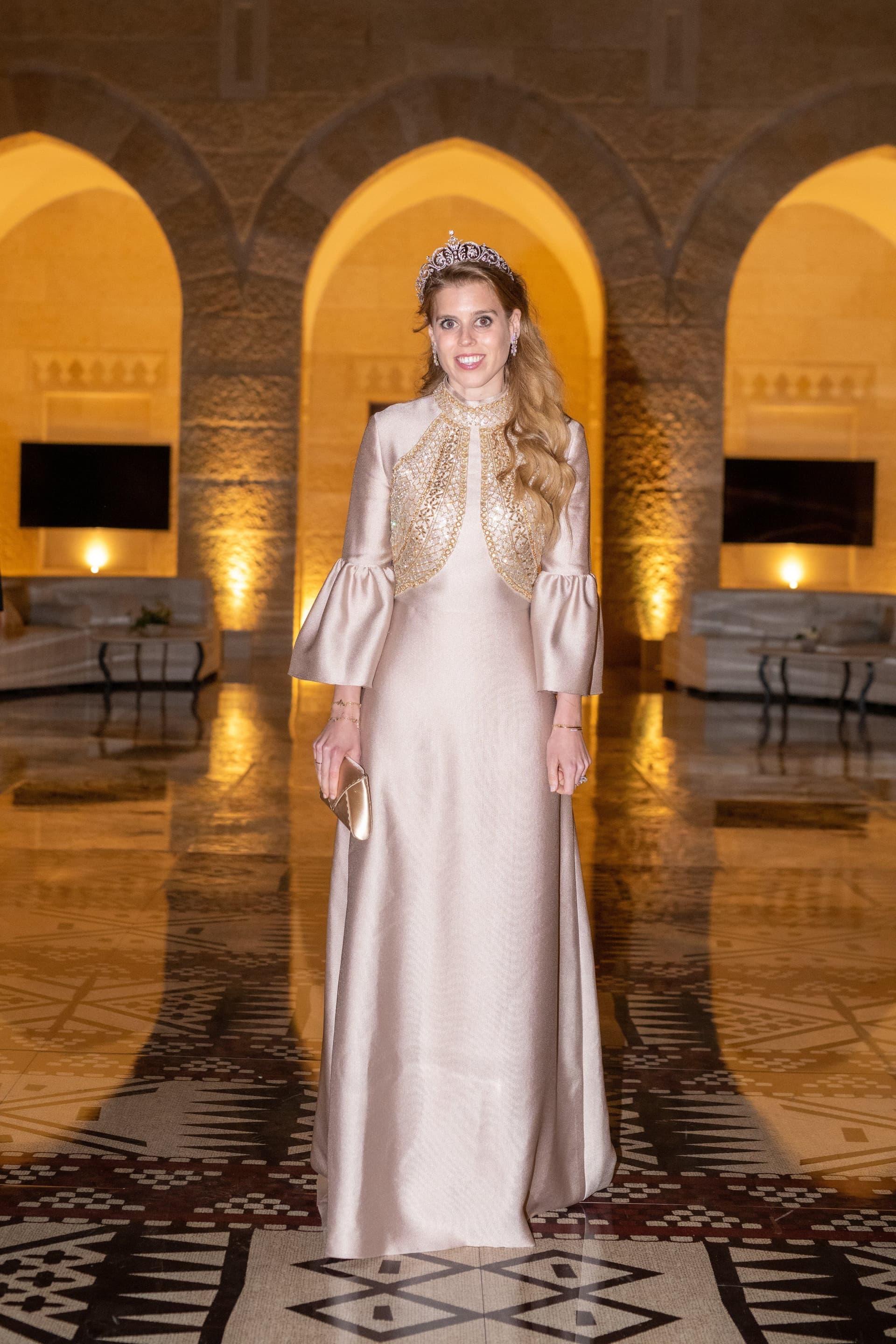
Parade tests 12 summer dresses on a 5-foot-3 petite editor
Parade's 12-dress petite test turns summer shopping into a proportion lesson: the winners were the ones with right waists, clean hems, and no cling.

Parade’s petite test starts with the real issue: proportion, not just style
The hardest part of dressing a petite frame is rarely finding a pretty dress. It is finding one whose waist lands where your waist actually is, whose hem stops with intention, and whose fabric skims instead of swallows you. Parade’s June 5 try-on makes that problem feel refreshingly concrete: a 5-foot-3 editor tested 12 summer dresses, kept eight, and passed on four, using a short, curvy body as the measuring stick rather than a mannequin’s idealized line.
That detail matters because 5'3" sits just below the average height for U.S. women, which the Centers for Disease Control and Prevention puts at 63.5 inches, or 5 feet 3.5 inches. Petite dressing lives in that narrow space where a fraction of an inch changes the whole read of a dress. A waist seam that lands an inch too low can flatten the torso. A hem that drags too long can make a clean silhouette feel heavy. Parade’s test is useful because it treats those differences as design problems, not personal ones.
Why eight dresses worked on a 5'3" frame
The keepers in this kind of edit are almost always the dresses that understand how to restore balance. On a shorter frame, that usually means a waist that sits correctly, not vaguely somewhere near the waist, and a skirt that creates length without overloading the body with fabric. Mini dresses can be especially effective because they open up the leg line, while longer lengths can still work if they build in definition through a shaped waist, a vertical seam, or a slit that breaks up the expanse of cloth.
Parade’s strongest petite logic is in the construction details it emphasizes: stretch, transparency, seam placement, and how each style sits on a short, curvy body. Those are the details that decide whether a dress feels made for motion or just made for a hanger. A little give in the fabric can stop a bodice from pulling across the bust. Thoughtful seam placement can keep the eye moving vertically instead of cutting the body in half. Lining can keep lighter summer fabric from going sheer in daylight. And straps that adjust are not a nicety on petite frames; they are often the difference between a neckline that floats and one that actually settles where it should.
The best-fitting dresses also tend to respect the body’s compact scale in their volume. A skirt can have swing, but it should not overwhelm. A sleeve can have shape, but it should not dominate the shoulder. On a 5'3" frame, polish comes from restraint as much as from design drama.
Why four dresses missed the mark
The four rejects are just as instructive, because petite dressing is usually exposed by the parts of a dress that feel slightly off rather than obviously wrong. The common failures tend to be structural: a waist seam that drops too low and shortens the torso, a hem that lands in an awkward place on the calf or ankle, or a bodice that cannot be adjusted enough to sit cleanly. On a shorter body, those small misplacements can make a dress feel borrowed rather than fitted.
Fabric is often the second culprit. Summer dresses can easily lean sheer, clingy, or limp, and all three are more punishing on a petite, curvy frame. Without enough lining, lighter textiles can turn transparent in bright light. Without enough structure, jersey and other drapey fabrics can hug the wrong places and flatten shape instead of tracing it. Without careful seam placement, the eye is pulled sideways instead of down, creating the visual break petite dressing tries so hard to avoid.
That is why the distinction between “fits” and “flatters” matters here. A dress can technically close and still fail the test if it eats up vertical space, crowds the torso, or lands with no sense of proportion. The dresses that missed in this edit likely did so not because they were inherently bad, but because their construction did not cooperate with a shorter frame.
What the retailer mix tells you about petite shopping now
The retailer lineup, which includes Old Navy, Target, Madewell, Abercrombie, Aerie, and others, is a reminder that petite shopping no longer lives only in specialty corners. This is mainstream, accessible fashion territory, and that makes the fit findings more useful, not less. When the same body is being tested across brands with different price points, cuts, and fabrics, you get a clearer picture of which design choices actually travel well across the market.
That broader market is worth paying attention to. One industry forecast places the global women’s wear market at about $1.05 trillion in 2023, while another estimates the broader global apparel market at $1.84 trillion in 2025. Petite fit is not a niche afterthought inside numbers like that. It is part of how a huge market earns repeat customers. When a retailer gets waist placement, inseam logic, and strap adjustability right, it is solving a commercial problem and a styling one at the same time.
A useful petite checklist for summer dresses
If you shop with a shorter frame, Parade’s test points to a simple way of reading summer dresses before you commit:
- Look for a waist seam or shaping that hits your natural waist, not somewhere lower on the torso.
- Favor hems that feel intentional on your frame, whether that means a mini, a carefully placed midi, or a maxi with movement.
- Check whether straps adjust, because petite proportions often need a small shift to make the neckline sit properly.
- Examine seam placement, especially around the bust and hips, for vertical lines rather than horizontal cuts.
- Choose lining when the fabric is light, and check transparency in daylight, not just under store lighting.
- Be wary of clingy fabric that magnifies every fit issue instead of smoothing it.
Those rules explain why petite style advice so often returns to the same principles: proportion, waist placement, and clean visual lines. A mini can lengthen the leg. A maxi can work if it includes definition and a little break in the fabric. What matters is not the label on the hem, but the way the dress meets the body.
Why this edit stands out
Parade has built a steady petite-fashion beat across seasons, with guides for fall, winter, spring, and summer, and that consistency gives this dress try-on more authority than a one-off shopping roundup. It reads like a retailer-aware fit audit rather than a trend board. The result is practical and oddly reassuring: the petite problem is not solved by chasing a different style every season, but by learning which construction details keep a dress in scale.
That is why the best summer dresses for shorter women are often the ones that disappear into the body instead of competing with it. They land the waist, respect the hem, manage the lining, and leave the silhouette looking deliberate from every angle. On a 5'3" frame, that is not a small thing. It is the entire point.
This article was produced by Prism’s automated news system from verified source data, official records, and press releases, then run through automated quality and moderation checks before publishing. The system is built and supervised by the people who set the standards it runs under. Read our full AI policy.
Did this article answer your question?