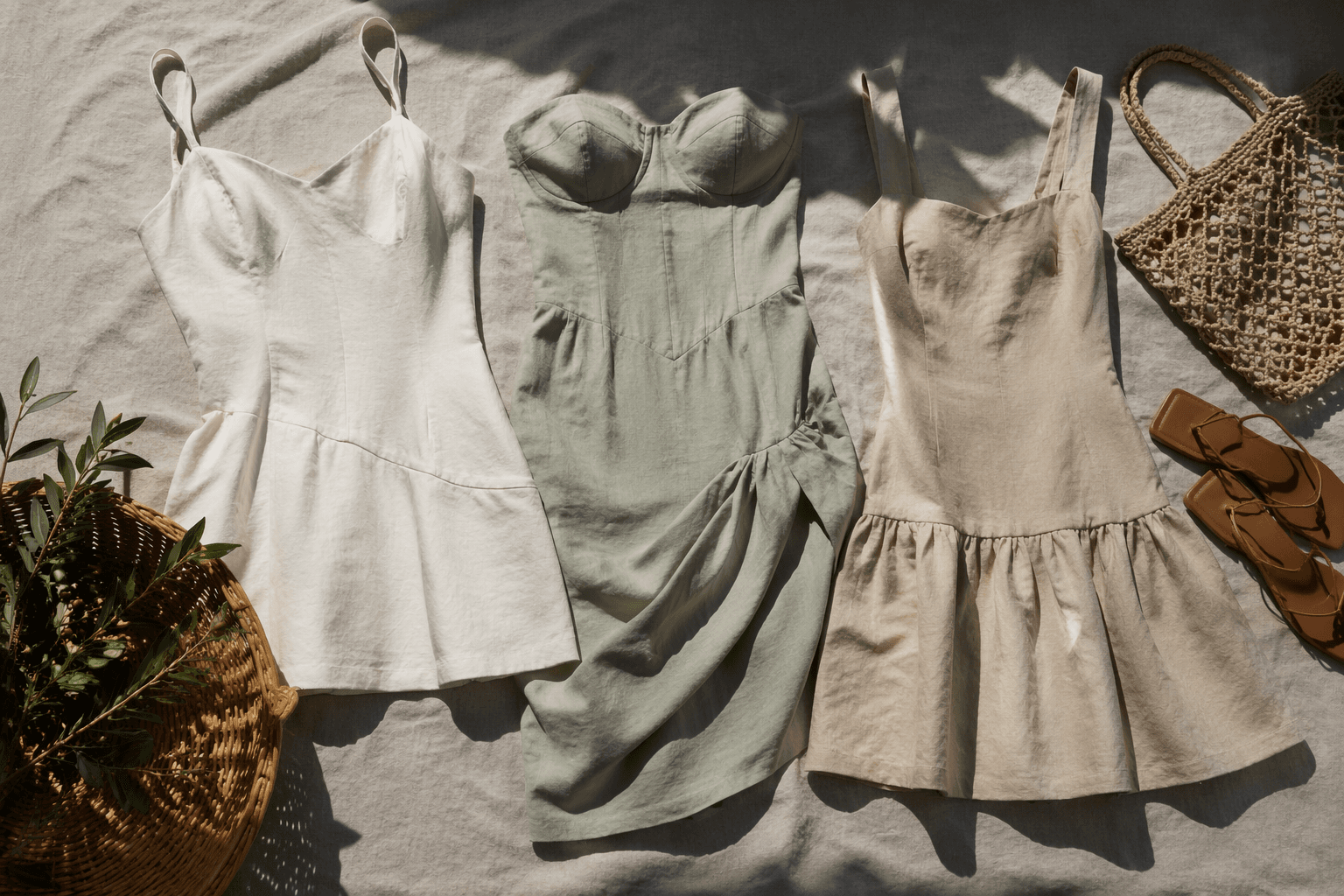
Peplum Returns, Bringing Defined Waists to Petite Wardrobes
Peplum is back, and petite frames can finally use it as a waist-defining tool, not a proportion trap. The trick is a high seam, a restrained flare, and a hem that never swallows the hip line.

Peplum’s petite advantage starts where the waist really is
When a hemline starts to feel like it is wearing you, peplum can be the reset button. The silhouette earns its place in petite wardrobes because it cinches at the narrowest part of the torso, then opens just enough to carve out shape without overwhelming a shorter frame. InStyle calls peplum tops a “new best friend” for petites, and the reason is simple: when the waistline hits in the right spot and the flare begins close to the natural waist, the eye reads length first and volume second.
That is the difference between a flattering peplum and one that looks costume-y on a smaller body. A petite-friendly version should feel precise, not puffed up. It should define the middle, skim the hips, and stop before the peplum becomes a second skirt.
Why peplum feels current again
Peplum is not a novelty resurrected from a single fashion cycle. Merriam-Webster defines it as “a short section attached to the waistline of a blouse, jacket, or dress,” and lists its first known use as 1866, which tells you how deeply rooted the shape is in dress history. The Metropolitan Museum of Art places the peplos among the three basic garment types in ancient Greek dress, a reminder that fashion has been revisiting and reworking this idea of a wrapped, waist-focused silhouette for centuries.
The modern lineage is equally persuasive. The Zoe Report ties peplum’s current return to a history that runs through the 2010s, with echoes of the peplos and even Queen Elizabeth I, whose royal dress often relied on sharp structure and a controlled waist. That same appetite for shape has resurfaced in a more architectural form for fall and winter 2025, then again in FW26, where peplum appears less frilly and more tailored, especially in jackets, cardigans, and fitted tops.
The petite fit formula: where peplum flatters most
For petites, the best peplum does three things at once. First, the waist seam lands high enough to visually raise the midsection. Second, the flare begins almost immediately, so it creates contour without adding length below the waist. Third, the hem stays short enough that it does not swamp the hips or chop the leg line.
That is why peplum works best when the volume is controlled. A crisp, close fit through the bodice can make the torso look longer. A small flare can suggest curves without demanding them. And if the peplum ends cleanly, rather than drifting into a long tier, the whole effect stays light on the body.
Elongating details
The strongest petite-friendly peplum features are the ones that sharpen the vertical line.
- A high waist seam: this is the most important detail. The higher the seam sits, the sooner the eye believes your waist begins.
- A flare that starts close to the natural waist: that small shift creates shape without dragging the silhouette downward.
- A cropped or short peplum hem: keeping the flare compact prevents it from spreading across the hips and visually shortening the frame.
- Tailored jackets and structured tops: Who What Wear says peplum was a standout on fall/winter 2025 runways, with Givenchy and Fendi among the labels giving it momentum. On a petite body, the cleanest interpretation is usually the sharpest one.
- Architectural construction: FashionUnited describes FW26 peplum as emphasizing defined waists and controlled volume, a formula that flatters petites because it reads as line, not bulk. That is why the newer, more sculpted peplum feels easier to wear than the soft, ruffled versions many people remember from the 2010s.
- A fitted shoulder or streamlined sleeve: when the upper body stays neat, the peplum can do its job at the waist without the whole look becoming wide.
The new peplum is not the same as the old peplum
The 2010s version often leaned heavily on drama. This newer wave is more disciplined. Fashion month coverage points to peplum on the fall and winter 2025 runways, then into FW26 at Dior, Ashlyn, CFCL, Tolu Coker, Florentina Leitner, McQueen, and Nanushka, where the silhouette is used to emphasize shape rather than overwhelm it. Jonathan Anderson’s Dior especially brings a sharper, more edited mood to the form, while the broader runway picture suggests peplum is being treated as a sculptural tool, not just a flounce.
That matters for petite dressing because a sculptural peplum can frame the body instead of flooding it. Christian Dior understood the power of a clipped-in waist long before the current cycle, and the spirit of the postwar New Look still feels relevant here: precise waist, controlled hip, clean drama. On a shorter frame, that kind of discipline is exactly what keeps the silhouette elegant.
Bulky details
These are the features that can make peplum look heavier than it needs to on a petite body.
- A flare that starts too low: if the volume drops below the natural waist, it begins to read like extra fabric rather than shape.
- A long, wide peplum hem: anything that extends too far over the hips can make the lower half look compressed.
- Heavy ruffles or excessive gathers: texture can be beautiful, but too much of it adds visual width fast.
- Boxy shaping through the torso: if the bodice is loose and the peplum is also full, the eye loses the waist entirely.
- Overly layered styling: peplum already creates a statement. Adding bulky jackets or oversized bottoms can tip the proportion off balance.
The rule is not to avoid volume altogether. It is to keep the volume strategic. Petite dressing rarely benefits from softness everywhere at once.
How the trend moved from runway to real wardrobes
This revival is not confined to the front row. E! Online noted in 2025 that peplum tops were part of the millennial fashion trends resurfacing at New York Fashion Week, while Marie Claire UK’s autumn 2025 shopping coverage showed the silhouette had already crossed into retail. By 2025 and 2026, peplum was being sold not just as a blouse shape but as jackets, blazers, sweaters, and tops, with some pieces priced as low as $15, which makes the trend accessible whether you want one polished top or a more tailored outer layer.
That retail spread is useful for petites because peplum now comes in enough forms to suit different proportions. A blazer version can sharpen the torso for work. A knit version can soften the waist without adding stiffness. A blouse version can be tucked into a skirt or slim trouser and still keep the middle defined.
What to look for when you try it on
The best petite peplum should feel almost customized. If the waistline lands too low, the whole look loses lift. If the flare begins too far from the torso, it starts to behave like a skirt panel. And if the hem keeps extending, the silhouette stops defining the waist and starts expanding the hips.
Instead, look for a piece that hugs through the upper body, opens in a contained arc, and stops at exactly the point where your shape still feels visible. That is the peplum sweet spot: enough architecture to create definition, not so much volume that it erases the frame beneath it.
Peplum’s return is not really about nostalgia. It is about proportion, and petites are the body type that can benefit most when the silhouette is edited with restraint.
This article was produced by Prism’s automated news system from verified source data, official records, and press releases, then run through automated quality and moderation checks before publishing. The system is built and supervised by the people who set the standards it runs under. Read our full AI policy.
Did this article answer your question?