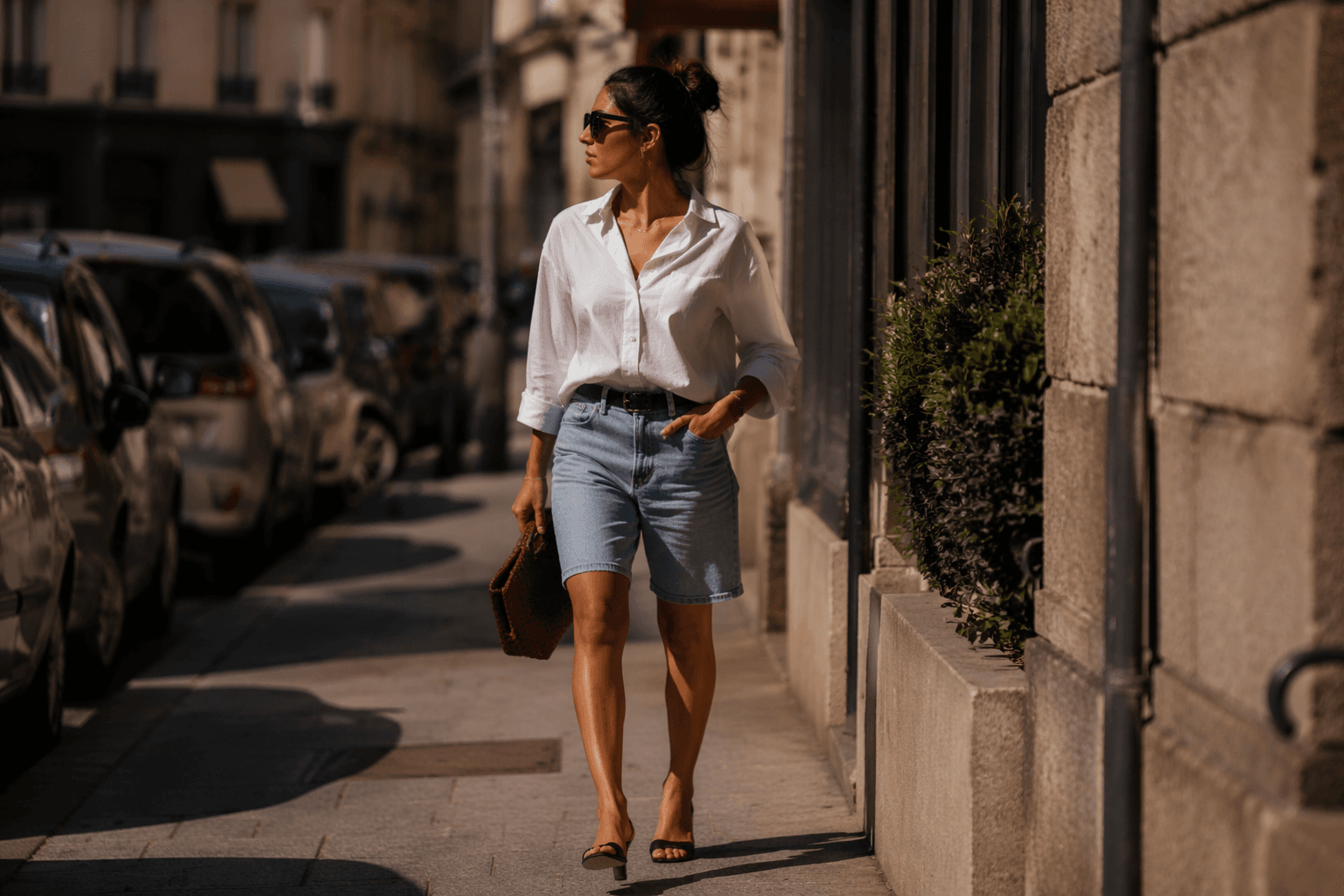
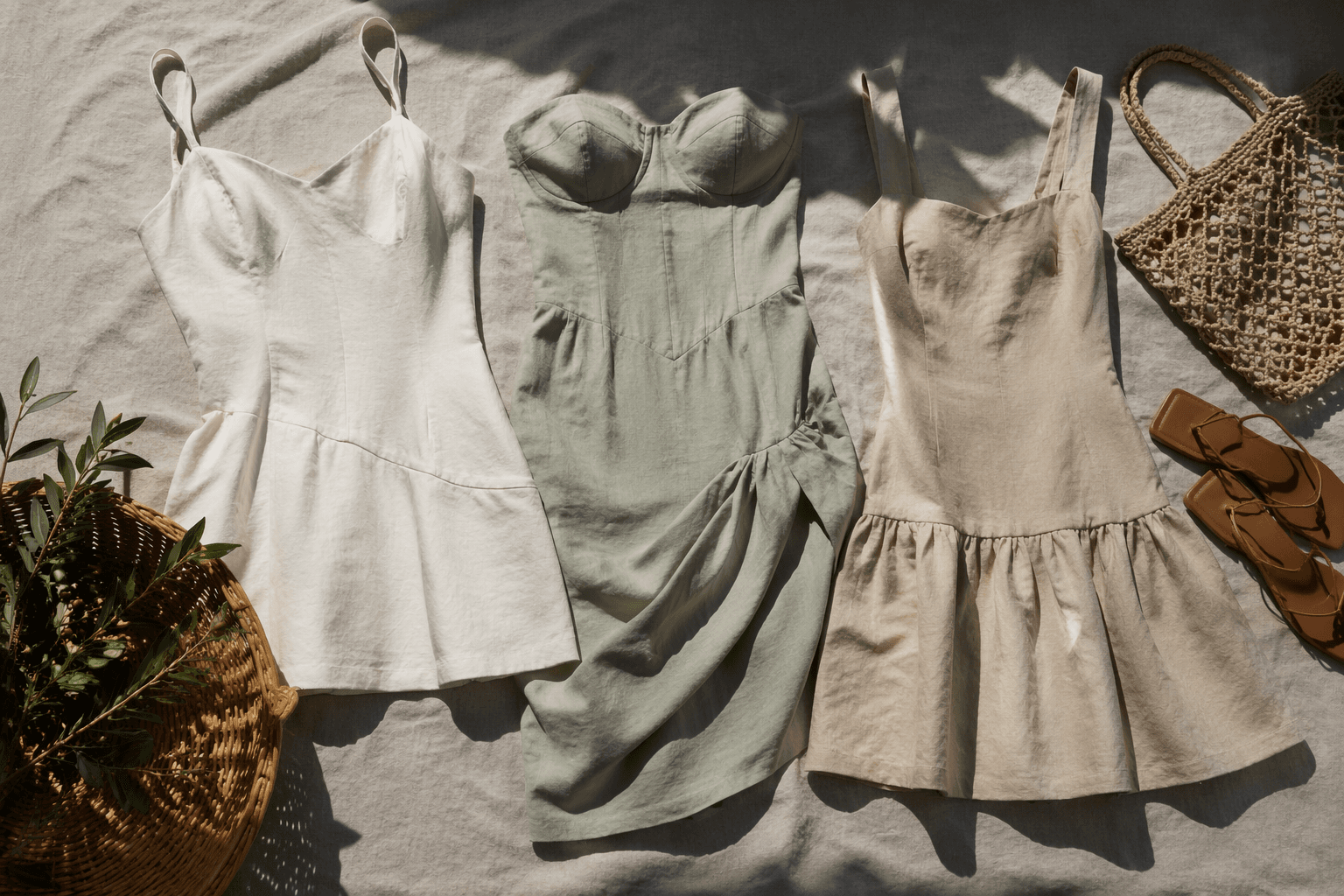
Petite Capsule 2026: XIXE — Three Looks, One Wardrobe
Clothes that swallow petites whole, hems that land wrong, blazers that add bulk instead of polish: XIXE Magazine's 2026 capsule solves all three with one proportion formula.
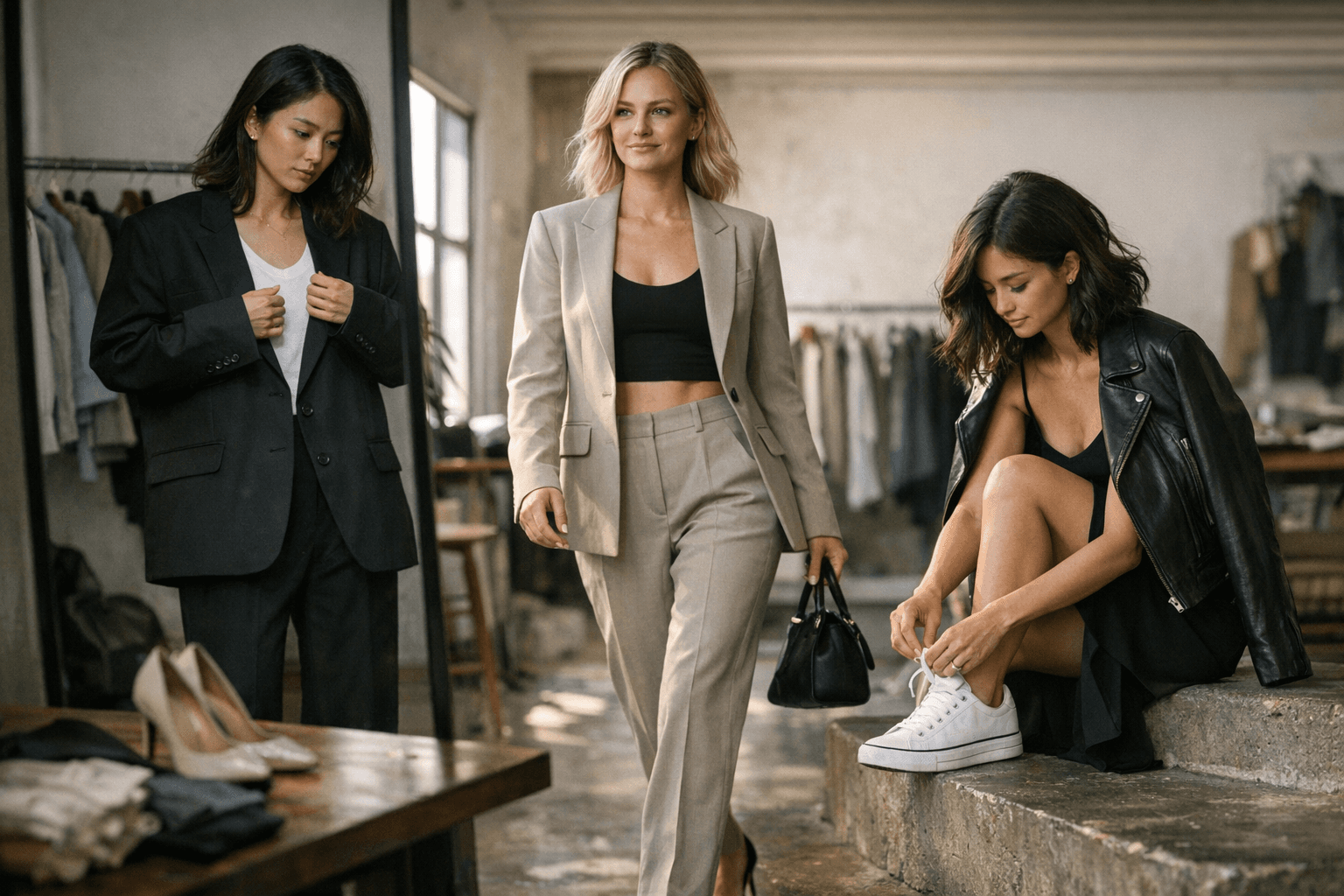
The hem lands wrong. The waist hits at the hip. The blazer adds bulk instead of polish, and what should read as a crisp, composed look reads, instead, as borrowed from someone taller. This is the petite fit problem that almost no capsule wardrobe conversation takes seriously enough, and it is exactly the starting point for XIXE Magazine's Petite Capsule 2026 editorial: three complete looks, shared pieces, and a proportion logic so transferable that you can apply it to what you already own.
The XIXE framework, published on xixemagazine.com, is built around three rules rather than three trends. Master the column silhouette. Understand what a cropped topper actually does to your frame. Learn which shoe shapes visually extend the leg. Together, these three principles can make six pieces function like twenty.
Rule One: The Column Silhouette (and Where the Waist Really Sits)
The column silhouette starts at the shoulder, and this is where XIXE begins. Both hero pieces in the capsule, a cotton poplin cinched-waist shirt in heathland brown and a sleek shell top, are selected because they sit correctly at the shoulder seam. That one detail matters more than most petite dressing guides acknowledge: when a shoulder seam drifts toward the upper arm, it contracts the torso visually and makes sleeves appear long before they even reach the wrist.
From there, the column is built in two different ways. On the shirt, the waist definition is engineered into the fabric itself: a cinched construction that creates proportion without any layering. On the shell top, that work is handed entirely to the bottom half. A corduroy wide-leg trouser with an ultra-high rise anchors the waist at exactly the right point and gives the leg a single uninterrupted vertical line. Here is the fact most petite dressing advice gets wrong: wide-leg trousers do work on short frames, but only when the rise is doing its job. Without an ultra-high rise, the volume overwhelms. With it, the column holds.
The denim midi skirt, the third bottom option in the capsule, follows the same logic. It sits below the knee, a length that can swallow a petite figure when the top is loose but reads as long and composed when the waist is clearly defined. A skinny belt traveling between all three looks is the piece that makes this strategy transferable: on the midi skirt, it creates the waist; on the trouser look, it reinforces the high-rise line that is already there. One piece, two functions.
For pear-shaped petites, the wide-leg trouser in a dark solid is the stronger pick over the denim midi. A full-length leg line extends the silhouette downward, and dark-wash corduroy or straight-cut fabric draws less attention to the hip than the skirt's A-shaped swing. Keep volume on the bottom and add shoulder interest on top, whether that is a structured collar or a bold neckline detail on the shell, to rebalance the frame.
Rule Two: The Cropped Topper (Not All Blazers Are Equal)
The XIXE capsule uses a single blazer across multiple looks, and the choice is specific. The Lynnia Blazer in wool gabardine sits at the hip with a relaxed, slightly oversized fit. Sleeve length finishes at the wrist bone. The colorway, Vetiver melange over Golden Oak and light sea glass, is deliberate: structured tones that read as professional without the rigidity of a matched suit.
What makes this work for petite frames is a counterintuitive truth. The blazer does not need to define proportion at all, because the ultra-high rise trouser is already doing that. A topper worn over a defined-waist base is freed from the job of shaping the body, which means it can afford to be slightly relaxed and still read as intentional rather than borrowed. The shoulder seam placement remains non-negotiable: it must sit cleanly at the shoulder. Everything else, the hem, the drape, can soften from there.
The key measurement to hold in mind: a hip-length jacket works where a knee-length or longer coat overwhelms. According to Who What Wear's spring 2026 petite coverage, a topper that finishes above the waist, ideally with a funnel-neck finish, creates the longest illusion of torso. For office-appropriate petites who run cold or prefer more coverage, a fitted ribbed cardigan cropped to the hip is a direct substitute for the blazer across any of the three looks. The silhouette reads tidy and polished, the sleeve hits the same wrist-bone point, and layering over a shell top in a tonal palette keeps the column intact without adding visual weight.
For those who prefer to skip the topper entirely: the cinched-waist shirt, worn tucked or half-tucked over the high-rise trouser, carries the same structural authority on its own. The proportion formula holds. The blazer is a modifier, not the foundation.
Rule Three: The Shoe-Height Rule (What the Ankle Reveals)
The XIXE capsule uses two shoe styles across three looks, and the logic is consistent. Creamy Nappa leather slingback pumps accompany the shirt-and-skirt combination. Dark green pointed pumps finish the trouser look. Both choices share one quality: the ankle is visible.
This is the shoe rule that matters more than heel height. A slingback, by leaving the back of the ankle open, extends the visual leg line upward from the floor. A pointed toe elongates the foot from the front, leading the eye in one continuous line from hem to tip. The specific heel height on either shoe matters far less than these two silhouette choices. Slingbacks and pointed-toe courts achieve leg length on petite frames in a way that a round-toe flat or a chunky-heeled boot, however comfortable, simply does not.
For petites who do not wear heels, the principle translates directly to flats. A pointed-toe flat in a nude or skin-matching tone maintains the elongating effect of the silhouette while removing the heel entirely. A slingback flat preserves the ankle exposure. The shape is doing the structural work here, not the height.
One additional XIXE specification worth carrying into your own wardrobe: bags should sit between 12 and 14 inches wide. A structured tote wider than that mark overwhelms the shoulder line on a petite frame, tipping the visual balance and shortening the perceived height. Most standard-sized totes run 15 to 17 inches wide. This single swap, choosing a medium structured bag over the standard large tote, is the proportion adjustment that is hardest to identify and easiest to fix. It is also the detail that separates a look that holds together from one that reads slightly off without a clear reason why.
The proportion is already there in your wardrobe. You may simply need to know what to look for.
This article was produced by Prism’s automated news system from verified source data, official records, and press releases, then run through automated quality and moderation checks before publishing. The system is built and supervised by the people who set the standards it runs under. Read our full AI policy.
Did this article answer your question?