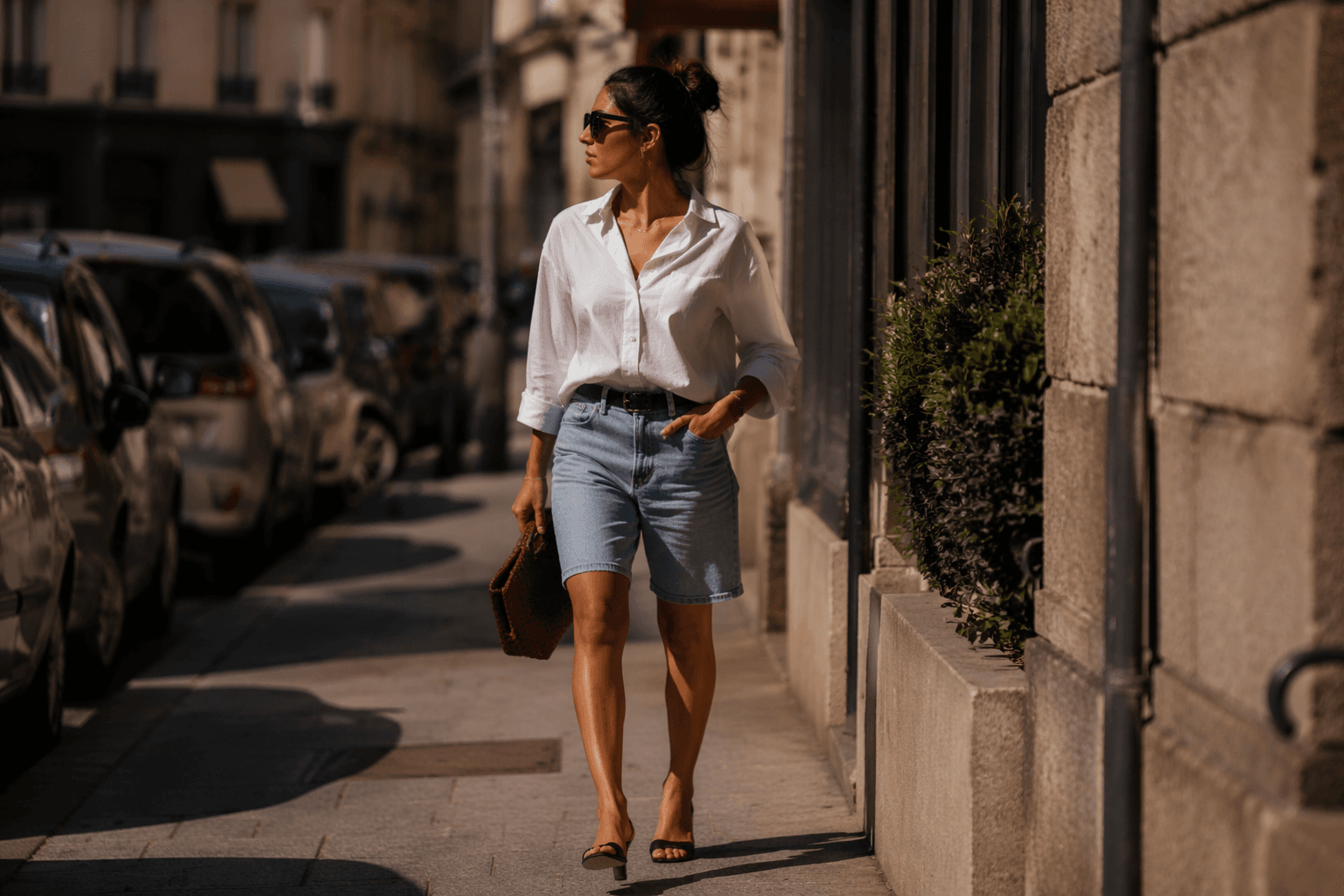
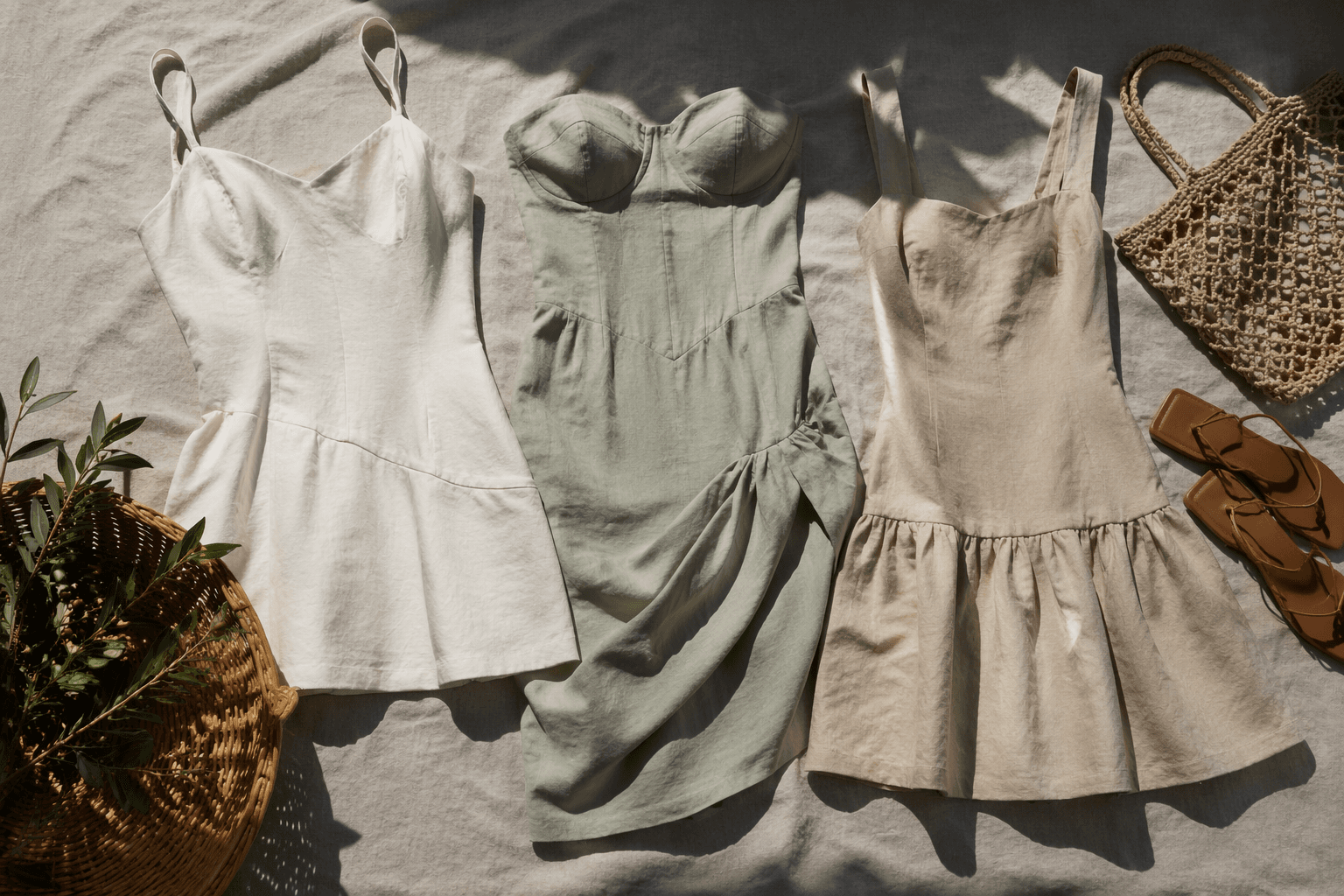
Petite shopper tests 12 summer dresses, finds 8 that fit well
A 5'3" tester tried 12 summer dresses and kept eight, but the verdict was brutal: sheer fabric, bad seams and off-waist cuts can wreck petite proportions.
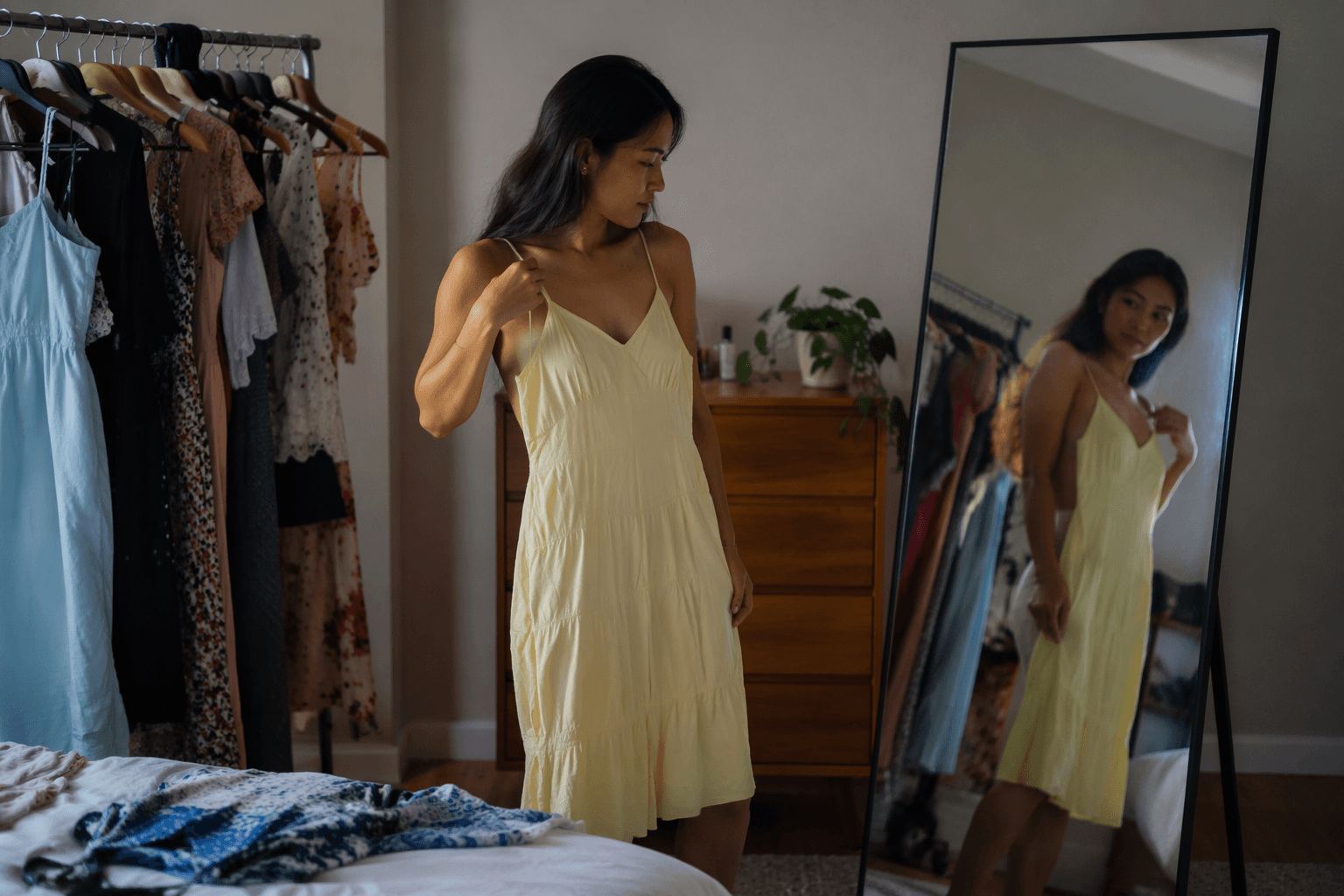
Petite proportions do not forgive a bad dress. On a 5'3" frame with a long torso and very short legs, Alani Vargas put 12 summer dresses through a real-world try-on and came away with a blunt split: eight keepers, four skips. The useful part is not just the number. It is the pattern. When a dress was too sheer, pulled oddly across the body, or landed with the wrong waist placement, it immediately made a short frame look shorter, wider, or simply overwhelmed.
Why this try-on matters
Vargas’ test lands because it reads like the way most people actually shop: online, without alterations, and with no patience for a garment that only works in theory. She is short and curvy, and she says the common frustrations are familiar to petite shoppers and non-petite shoppers alike: stretchiness that changes the drape, transparency that forces extra layering, wonky seams, and fit surprises that look nothing like the product photos. Parade also notes that purchases through its links may earn commission, which is standard for shopping coverage but does not change the central takeaway: the dress has to earn its place on the body.
That point matters in a bigger way than the dressing room. The Centers for Disease Control and Prevention, through the National Center for Health Statistics, tracks body measurements using nationally representative NHANES data, which is a reminder that there is no single female silhouette brands can design around. In a market as large as women’s apparel, that is not a niche gripe. Grand View Research estimates the global women wear market at $1,054.52 billion in 2023, with growth to $1,325.90 billion by 2030, while the global apparel market is projected at $1.8 trillion in 2025. Petite-fit mistakes are expensive, and brands know it.
The four dresses to skip
The rejects in a petite try-on rarely fail for one dramatic reason. They usually fail because several small problems stack up at once. If the fabric is transparent and the seams sit in the wrong place, the eye goes straight to the flaw. If the silhouette is too much volume without enough structure, the dress starts wearing the person instead of the other way around.
For short shoppers buying online, the simplest rule is this:
- Skip dresses that go sheer in daylight unless you are already planning for lining or layering.
- Skip dropped or awkward seams that cut across the body at strange points.
- Skip oversized volume that does not have a defined shape at the waist.
- Skip hems that promise ease but end up dragging or swallowing your frame.
That is the brutal part of petite shopping: a dress can be beautiful in isolation and still fail the moment it touches a 5'3" body.
What the eight keepers got right
The eight winners worked because they created control. They did not swamp the frame, and they did not leave the proportions to chance. Even without a tailor, they gave Vargas the one thing petite dressing always needs: a clean line from shoulder to hem, with enough structure to keep the body visible inside the clothes.
The best dresses in this kind of test typically do a few things well, and Vargas’ verdict points in that direction. A defined waist helps stop the torso from disappearing. A shorter hem can restore leg line. A cleaner seam placement keeps the eye moving vertically instead of chopping the body in half. Most of all, the dress has to move with the body without adding visual bulk. On a petite frame, motion should read as fluid, not excessive.
That is why the little details matter so much. A dress does not have to be tiny to be petite-friendly. It has to be proportionate. A soft silhouette can work if it is compact. A romantic shape can work if the volume is controlled. A summer dress can still feel breezy without looking like it borrowed too much fabric.
What another petite editor confirmed
Mary Honkus made the same basic case at 5'3" in a Yahoo Shopping and Us Weekly piece published on April 10, 2026. She said some silhouettes overpower petite frames, and she pointed to the features that help instead: cinched waists, dainty patterns, side ruching, square necklines, puff-sleeve minis and drop waists. She also highlighted a floral shirt dress designed for women 5'4" and under, which is exactly the kind of sizing logic petite shoppers want to see more often.
That perspective lines up neatly with Vargas’ try-on. Petite-friendly design is not about shrinking everything. It is about editing. Cinched waists create shape. Dainty patterns keep the eye from getting lost in fabric. Side ruching can skim curves without adding width. Square necklines open the upper body. Puff-sleeve minis work because they add interest up top while keeping the overall length compact. Drop waists can be tricky, but on the right dress they can elongate if the proportion is precise.
The shopping rules to use now
When you buy summer dresses online and you do not want to budget for alterations, these are the rules that save money and regret:
- Look for waist definition first, especially if you are 5'3" or under.
- Favor vertical visual lines over wide, boxy shapes.
- Treat transparency as a fit issue, not just a style choice.
- Check where seams land on the body, not just how the print looks.
- If a dress has volume, make sure the volume is controlled at the shoulder, bust or waist.
- For petites, a hem that looks “safe” on the model can still drag on you.
The reason this advice keeps coming up is simple: petite fashion is not about dressing smaller, it is about protecting proportion. Vargas’ eight keepers worked because they respected that. Her four skips failed because they ignored it. In a market this large, that is not a styling footnote. It is the difference between a dress that flatters and one that swallows the frame whole.
This article was produced by Prism’s automated news system from verified source data, official records, and press releases, then run through automated quality and moderation checks before publishing. The system is built and supervised by the people who set the standards it runs under. Read our full AI policy.
Did this article answer your question?