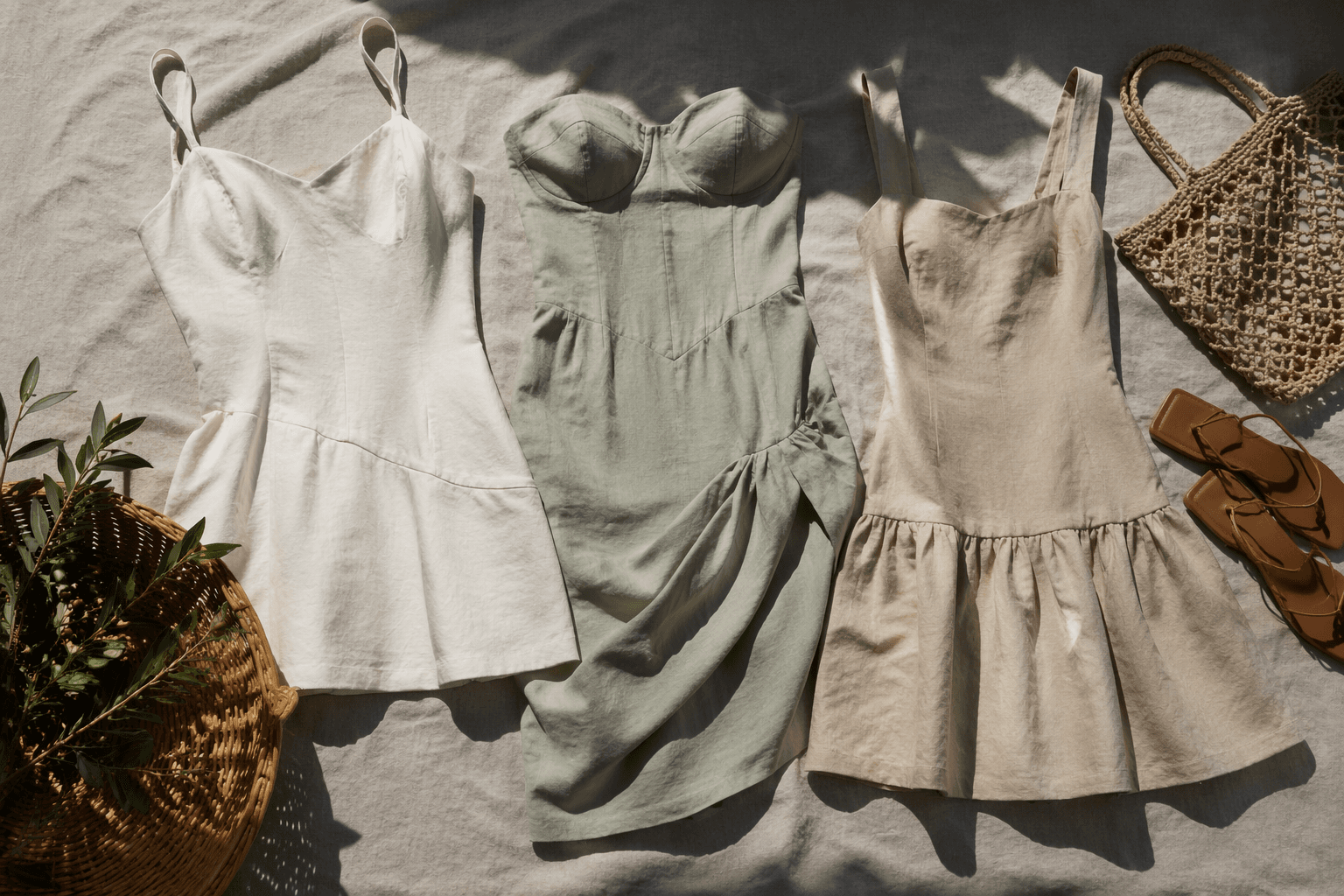
Petite Style Bible: Proportion Rules and Capsule Wardrobe Essentials for Shorter Frames
Proportion rules that actually work for shorter frames, plus the exact capsule pieces worth investing in.
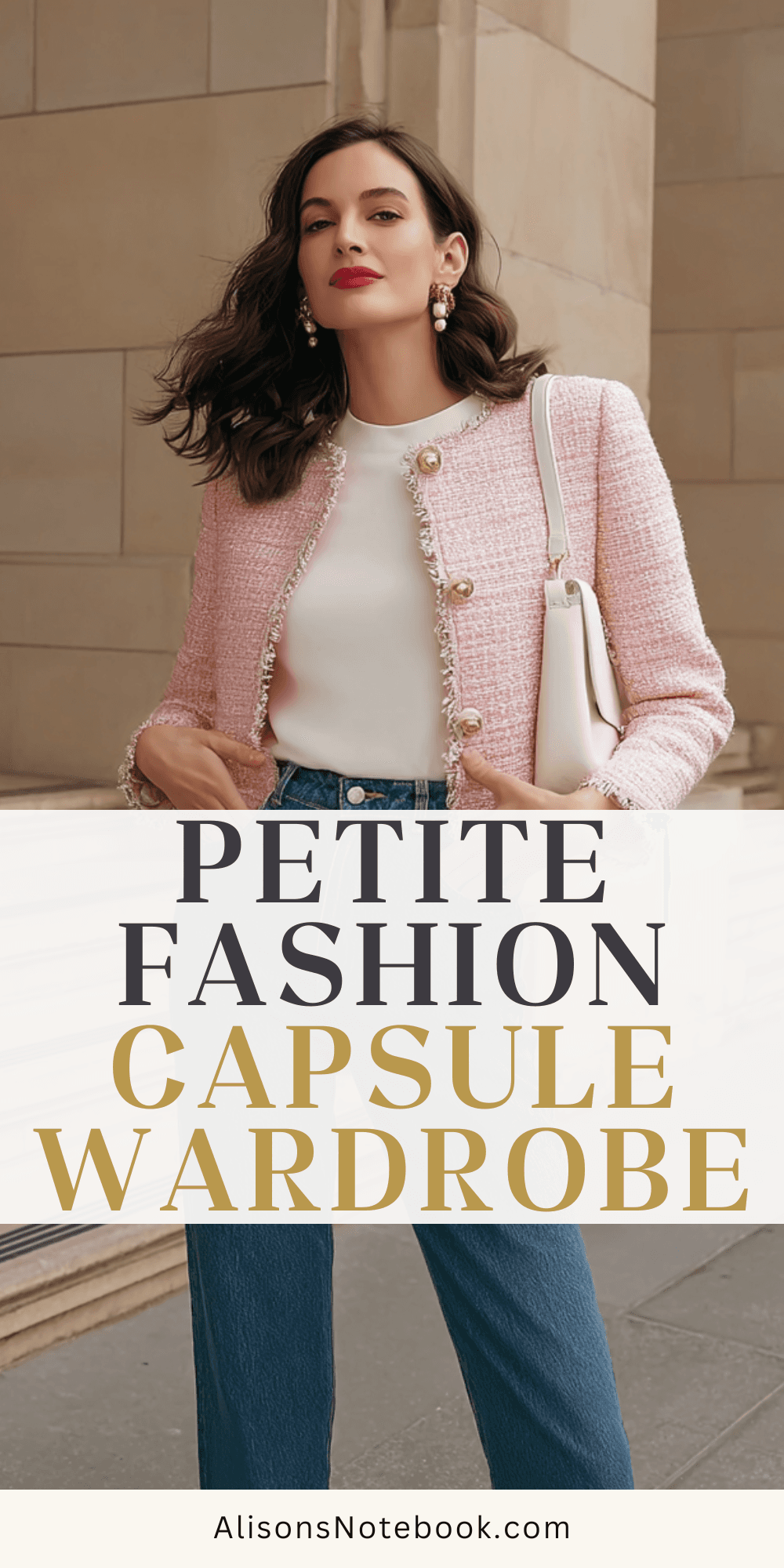
There is a particular frustration that comes with being petite in a fashion industry that still, despite years of progress, cuts its samples for a 5'8" fit model. Hems pool on the floor. Blazer shoulders creep past their mark. Wide-leg trousers that look architecturally brilliant on a longer leg read as costume on a 5'3" frame. But the solution is rarely "buy petite sizing and hope for the best." It is understanding proportion, and proportion is a learnable skill.
The proportion principle, explained
Dressing a shorter frame well is not about creating the illusion of height, a phrase that has always carried a faintly apologetic undertone. It is about understanding the relationship between where a garment hits your body and how visual weight is distributed across it. The goal is balance, not elongation for its own sake. When a waistband sits at your natural waist, it divides your torso and hip ratio at its most flattering point. When a hem grazes the ankle bone rather than puddling, it creates a clean horizontal line that anchors an outfit rather than swallowing it. These are not tricks. They are the same principles that inform how every designer drapes a collection, simply applied to a different set of measurements.
The single most powerful tool in a petite wardrobe is the high-rise silhouette. High-waisted trousers, skirts, and jeans reset the visual midpoint of your body upward, which lengthens the appearance of the leg without requiring heels. Pair that with a tucked or cropped top, and the leg line reads as uninterrupted from hip to hem.
Tailoring: where the real work happens
If there is one investment that returns more than any single purchase, it is a relationship with a skilled tailor. Off-the-rack clothing is proportioned for an average height that sits several inches above the petite range, which means even pieces designed with shorter women in mind often need adjustment. Sleeve length is the most visible culprit. A blazer sleeve that lands even a centimeter too low shifts a shoulder seam onto the upper arm and disrupts the entire silhouette of the jacket. A skilled tailor can shorten a sleeve in under 30 minutes. The cost is minimal; the visual difference is significant.
Trouser hemming is the other non-negotiable. The break of a trouser, specifically where the fabric meets the top of the shoe, changes the entire character of a pair of trousers. A slight break reads as relaxed and contemporary. No break reads as sharp and intentional. Pooling fabric reads as borrowed. Knowing which break you want, and having it executed, is the difference between a polished outfit and an approximation of one.
Capsule wardrobe essentials for shorter frames
A petite capsule wardrobe is not a different wardrobe from any other thoughtful one. It is simply built with closer attention to where garments fall on the body. These are the pieces worth prioritizing:
- A well-cut blazer in a cropped or hip-length cut. The classic oversized blazer that works beautifully on taller frames tends to dwarf a petite silhouette. A blazer that ends at the hip or just below keeps the proportions legible and makes the legs look longer by default.
- High-rise straight or slim trousers. A straight leg that hits at the ankle is one of the most versatile and proportion-flattering shapes for shorter frames. It works equally well with a tucked shirt for daytime and a silk camisole for evening.
- A midi skirt with a defined waist. The midi length, specifically one that falls between the knee and mid-calf, has the potential to either ground a petite frame or overwhelm it. The key is a skirt that is cut with movement, in a fluid fabric like satin, silk, or a bias-cut crepe, so it moves rather than stiffens.
- A wrap dress or a dress with waist definition. A wrap silhouette marks the waist and creates a diagonal line from shoulder to hip that reads as lean and proportional. Shift dresses and boxy cuts, while seasonally compelling, tend to obscure the waist and add visual bulk.
- Tailored shorts or culottes at the right hem. This is length-specific: for petite frames, shorts that end mid-thigh tend to create a cleaner leg line than longer Bermuda-style shorts, which can interrupt the visual flow of the leg at an unflattering point.
- A monochromatic or tonal outfit strategy. Wearing head-to-toe color, or closely related tones, removes horizontal breaks in your visual silhouette and creates a continuous vertical line. This does not mean wearing all black all the time. A camel trouser with a camel knit, or a navy dress with navy mules, creates the same effect.
Patterns, prints, and proportional logic
Scale matters enormously when it comes to print. An oversized floral on a petite frame tends to overwhelm the canvas; the print wears the person rather than the reverse. The more proportionally correct choice is a medium-scale print, large enough to read as bold and graphic, small enough to work within the scale of the body. Vertical stripes are genuinely useful here, not as a trick but as a structural line that draws the eye up and down rather than across. Horizontal stripes are not forbidden, but they are best kept to single-item pieces rather than an all-over print, where they can add unwanted visual width.
Footwear and the leg line
The relationship between shoe and trouser hem is one of the most technically precise decisions in a petite wardrobe. A pointed-toe flat or a low-heeled mule in a skin-toned or neutral shade extends the visual length of the leg by reducing the contrast at the ankle. A chunky platform, while currently compelling from a trend standpoint, tends to create a visual block at the foot that shortens the leg line rather than extending it. That does not mean platforms are off the table; it means they work better with a cropped trouser that shows the ankle than with a full-length trouser leg that conceals it.
Ankle strap sandals deserve a specific note: a strap that cuts across the ankle, particularly a wide one, creates a strong horizontal line at one of the narrowest points of the leg and can visually truncate it. A barely-there strap, or a sandal with a thin ankle tie, sidesteps this entirely.
The deeper argument
None of these rules are absolute, and the most confident dressing always comes from understanding why a principle exists before deciding whether to follow it. A petite woman in a maximalist print tent dress who carries it with conviction is not violating proportion rules; she is making a deliberate choice about the effect she wants to create. The capsule framework and proportion logic above are tools, not constraints. Master the grammar and the creative decisions you make from there will always read as intentional.
This article was produced by Prism’s automated news system from verified source data, official records, and press releases, then run through automated quality and moderation checks before publishing. The system is built and supervised by the people who set the standards it runs under. Read our full AI policy.
Did this article answer your question?