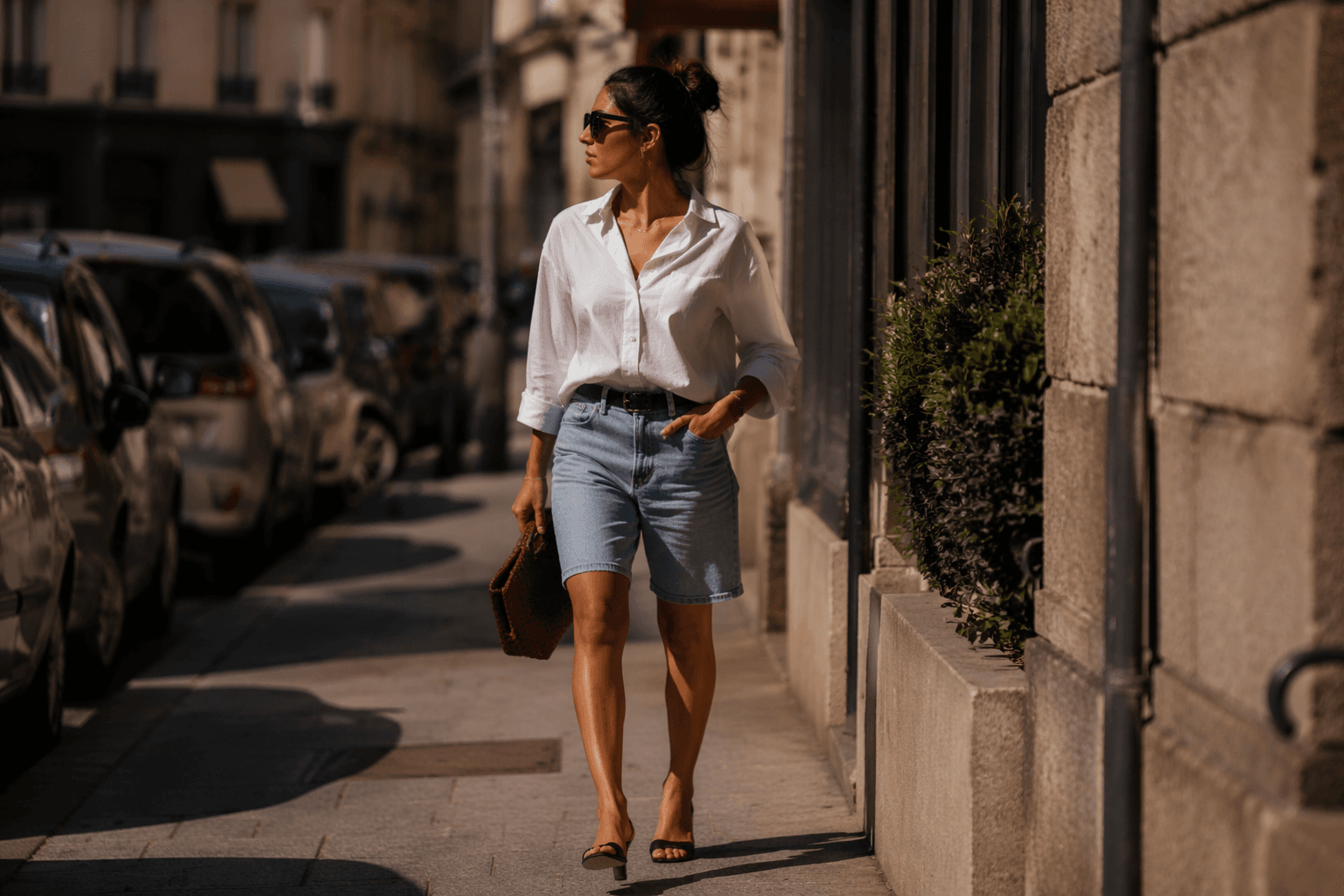
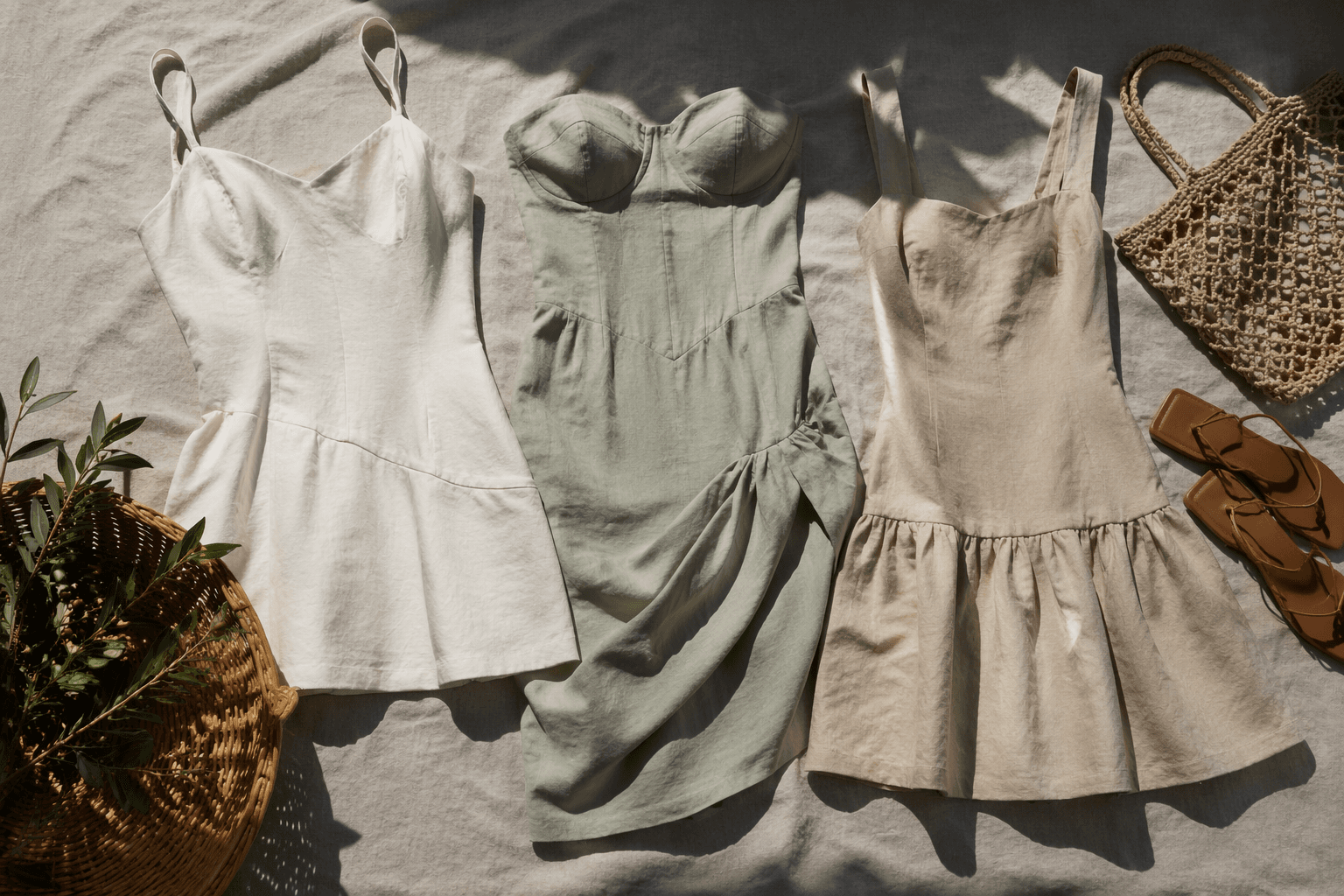
Petite Style Rules That Make Shorter Frames Look Longer and Balanced
The petite fix is all about proportion, not hiding your frame. These six rules clean up long hems, swallowed sleeves, and outfits that drag.
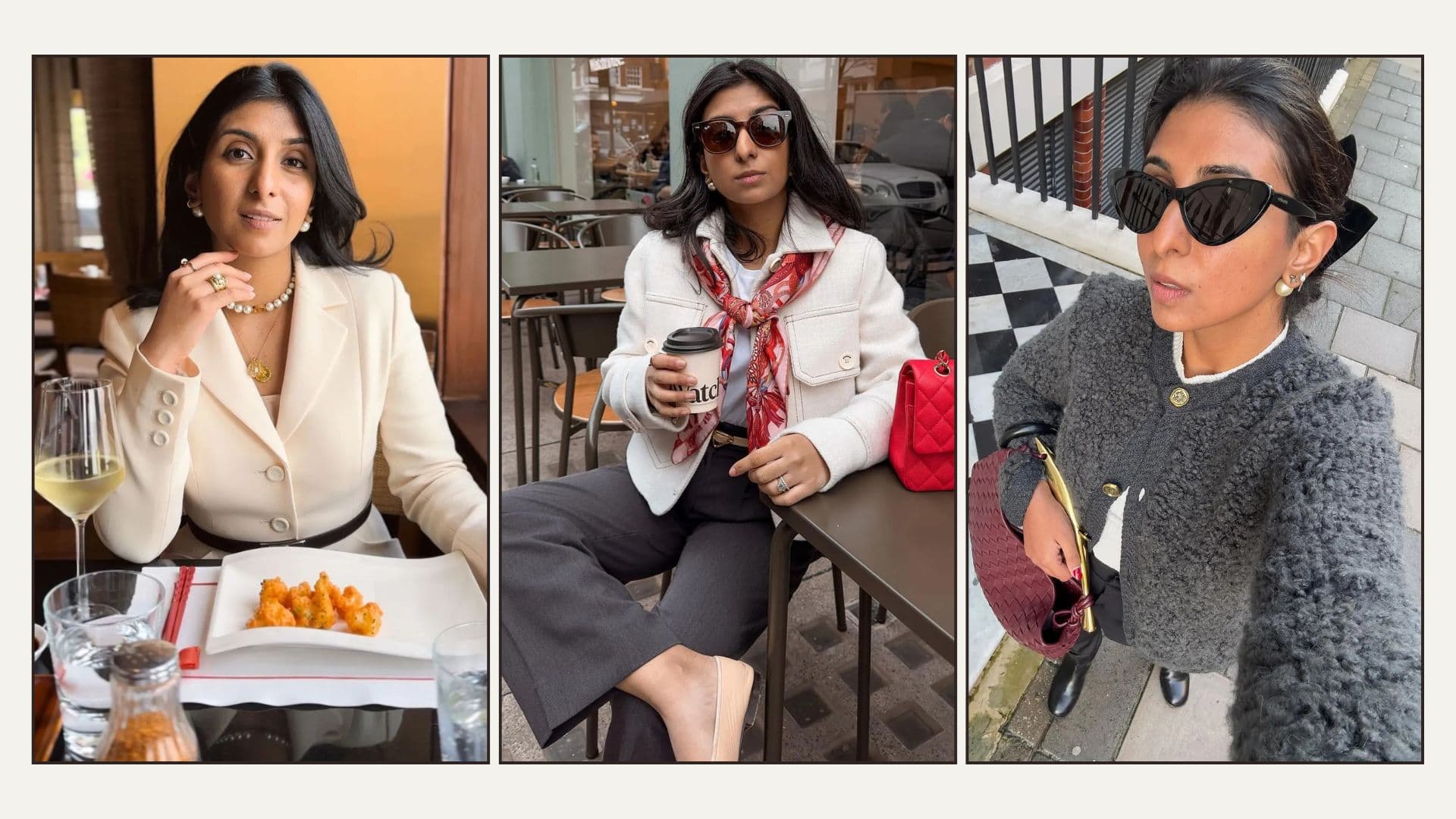
The real petite problem is proportion, not size
If you are under 5'4", the same outfit can look crisp on a hanger and completely off once it lands on your body. The usual culprits are obvious: hems that puddle, sleeves that bury your hands, waist seams that sit too low, and too much fabric where you need clean lines. Who What Wear’s petite styling guide, built around fashion expert Shloka Narang Sensarma, treats those issues like fixable geometry, which is exactly the right attitude.
That matters because petite is not some tiny niche. CDC FastStats lists the average height of U.S. women ages 20 and older at 63.5 inches, or 5 feet 3.5 inches, and the average waist circumference at 38.5 inches. In other words, proportion guidance is not a side conversation. It is how a huge share of women get dressed without constantly fighting their clothes.
Start with the waist, because legs look longer when the waist sits higher
The fastest visual upgrade for a shorter frame is to move the eye upward. High-waisted jeans do that instantly: they raise the visual break between torso and legs, which makes the lower half look longer and the whole look sharper. The same logic applies to skirts, trousers, and even shorts. If the waistband sits at the natural waist, the outfit reads as intentional instead of slightly dropped.
- high-waisted bottoms
- a top that ends at or just above the waistband
- a clean, uninterrupted line from waist to hem
The formula is simple:
This is why a petite body often looks better in a tucked tee, a cropped knit, or a blouse with a front tuck than in a long, untucked layer that cuts the body in half. The goal is not to show more skin. The goal is to move the silhouette up.
Tailored blazers beat oversized ones every time
A well-tailored blazer can make a petite frame look expensive in a second. The shoulder should sit where your shoulder ends, not slide down your arm, and the sleeve should stop at the wrist bone instead of swallowing your hand. When a blazer is too long or too boxy, it creates a wall of fabric and erases the shape underneath it.
For petites, the best blazer is usually one that nips in a little at the waist and ends at a flattering point on the hip. That gives you structure without dragging the body down. If you need a quick shortcut, think of the blazer as a frame for the outfit, not the outfit itself. Pair it with slim trousers, a short skirt, or high-rise denim so the jacket does not become the heaviest thing in the look.
Do not default to heels just because someone told you height is the answer
This is one of the most useful style resets in petite dressing. Heels can help, sure, but they are not the only way to lengthen the body, and they are definitely not the answer when the rest of the outfit is fighting you. A leg line can look longer in flats if the shoe is sleek, the toe is pointed, and the vamp does not chop the foot in the middle.
Think in terms of visual continuity. A clean loafer, a sharp ballet flat, or a low-profile sandal can keep the line uninterrupted. The mistake is not wearing flats. The mistake is wearing flats that look bulky, heavy, or disconnected from the rest of the outfit. If the shoe feels like a blob under the ankle, it will make your proportions feel shorter. If it feels crisp and narrow, it can work just as well as a heel.
Belts are not decoration, they are proportion tools
A belt on a petite frame should do one job: define the waist and stop the outfit from floating away from the body. That means keeping it slim, placing it where your waist actually is, and choosing one that blends into the look instead of shouting over it. Wide belts can be dramatic, but on shorter bodies they often eat too much visual space.
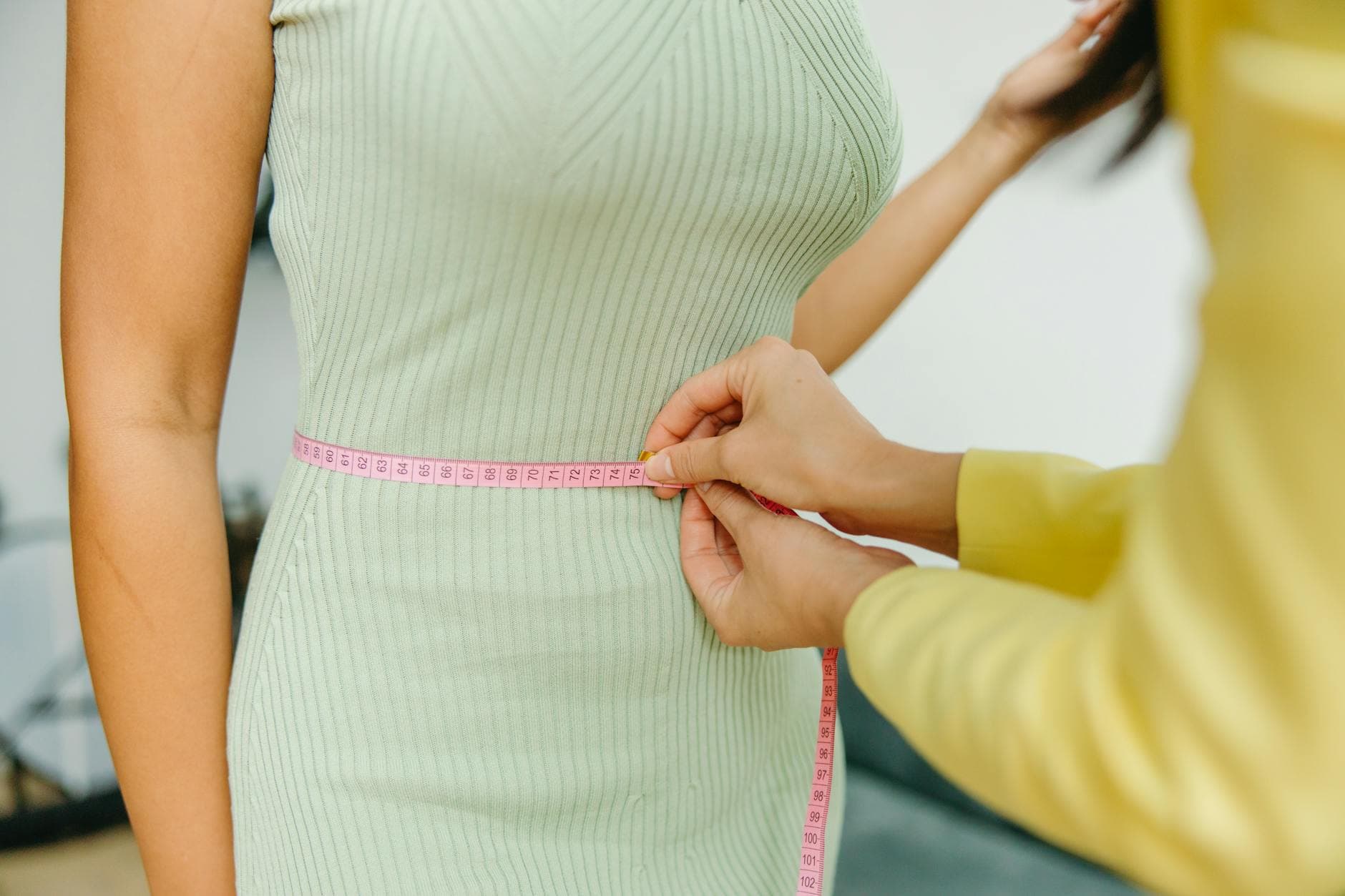
Use belts to fix outfits that feel shapeless. A loose dress, an oversized shirt, or a long cardigan can all look sharper once you cinch them in. The trick is restraint. A narrow belt over a dress with a clean hemline reads polished. A thick, high-contrast belt over a soft silhouette can make the torso look shorter than it is.
Classic accessories keep the eye moving instead of stopping it
The word classic is doing real work here. Petite styling gets overwhelmed fast, so accessories should support the outfit, not compete with it. Smaller-scale bags, simple jewelry, and streamlined sunglasses help keep the body from disappearing behind oversized extras. When the accessories are too bulky, they become the first thing you notice, which is usually not the effect you want.
Use accessories to echo the outfit’s lines. A compact shoulder bag sits better with a tailored blazer than a giant tote. Small hoops or a fine chain feel lighter than chunky pieces that pull attention away from the face and upper body. The point is not minimalism for its own sake. The point is scale.
Colour blocking works when it creates one clean silhouette
Colour blocking can either sharpen your proportions or destroy them. For petites, the best version is deliberate and clean: one strong block that guides the eye vertically, or a coordinated contrast that lands at a flattering break point. A top and bottom in related tones can stretch the body, while harsh, messy contrast lines can chop it up.
This is where a petite outfit starts to look intentional instead of accidental. If you wear strong colour blocking, make sure the transitions feel placed on purpose. A belt at the waist, a jacket that ends at the hip, or a top-and-trouser combo with a cohesive palette can keep the look edited. The silhouette should read as one line, not a series of cuts.
Tailoring is still the secret weapon, even with more petite options on the market
There are more size ranges available now than there used to be, but petite shoppers still run into the same annoying wall: some clothes simply do not behave on a shorter frame. VENUS launched a petite collection in 2024 with sizes 0 to 12, and planned to expand into tops and cover-ups in 2025, which tells you the market is paying attention. It also shows why petite-specific design matters. Laura Bollier pointed out that some garments cannot just be altered without damaging details like border prints or hem treatments.
That is the difference between buying something and actually making it work. A hem can be shortened, but a print that gets cut off wrong or a special finish that loses its edge is another story. Petite dressing gets easier when brands build for the body from the start, not after the fact.
The market gap is real. Forbes noted that women who are 5'4" or shorter are considered petite, and that the U.S. women’s apparel market was projected to reach $191.4 billion in 2024, yet relatively few brands truly cater to petite frames. Back in 2018, Vanessa Youshaei said nearly 40 percent of American women are under 5'5", which makes the gap look even more absurd. Petite style is not a special case. It is a huge piece of the business.
The cheat sheet that always works
When an outfit feels off, check the proportion first. If the hem is too long, shorten it. If the waist sits too low, raise it. If the sleeve eats your hand, tailor it. If the volume is overwhelming, cut back on the bulk and let the silhouette breathe.
That is the whole petite rulebook in practice: build the waist higher, keep the lines cleaner, and stop letting clothes overpower the body. When the proportions are right, the outfit looks longer, lighter, and a lot more expensive.
This article was produced by Prism’s automated news system from verified source data, official records, and press releases, then run through automated quality and moderation checks before publishing. The system is built and supervised by the people who set the standards it runs under. Read our full AI policy.
Did this article answer your question?