Quince’s petite summer dresses solve hem and fit woes for shorter women
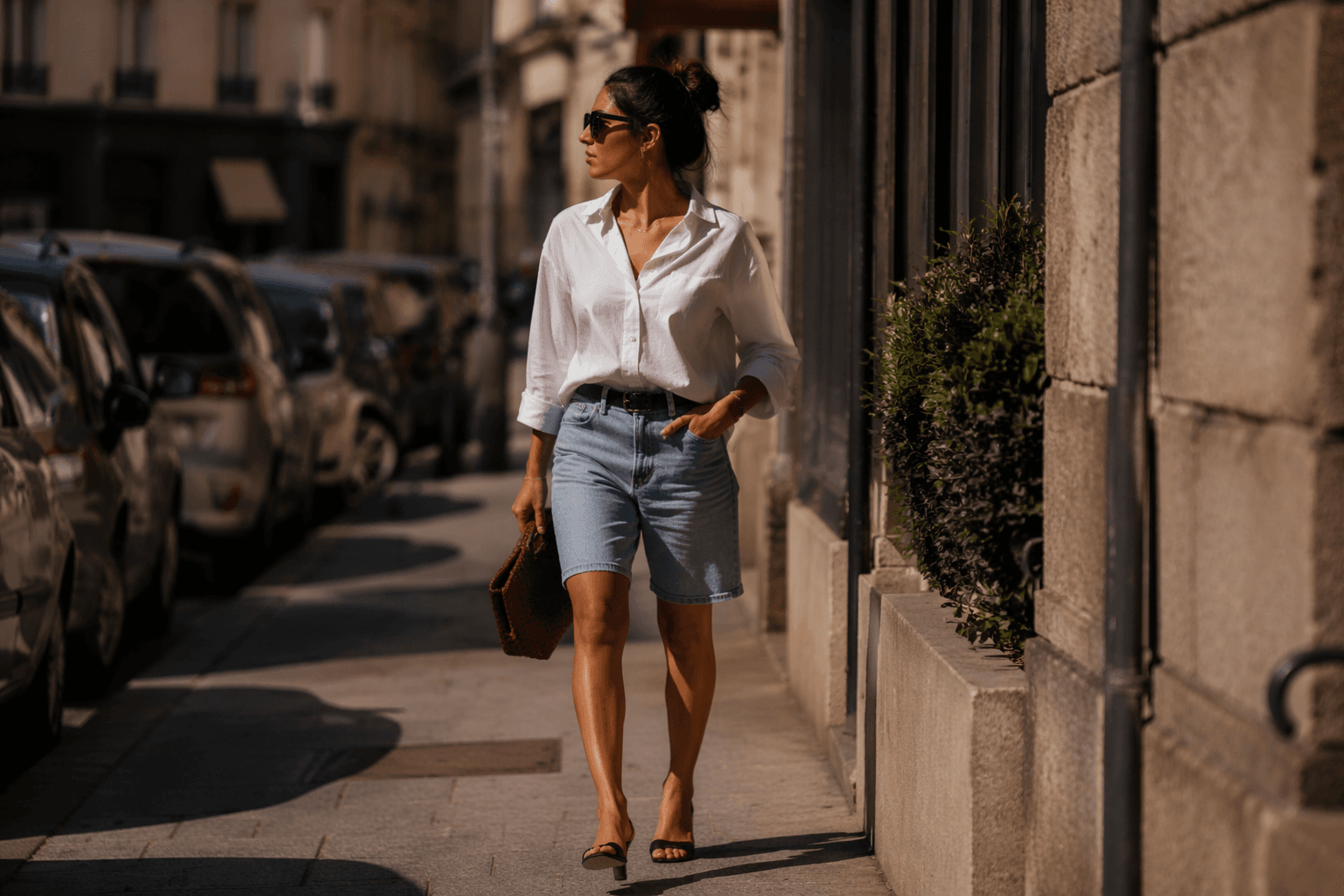
Quince’s petite dresses are built to fix the two pain points that ruin summer dressing: dragging hems and dropped waists. On a 5'2" frame, the right cut can look breezy, not swallowed.

A 5'2" frame makes summer dresses brutally honest. The wrong one drags at the hem, drops the waist in the wrong place, and turns light fabric into visual weight, which is exactly why a petite-specific edit can feel less like a trend and more like a rescue mission. Quince’s petite summer lineup is designed to solve that problem with re-patterned proportions, so the dress falls where it should and the silhouette keeps its shape without a trip to the tailor.
The petite promise starts with proportion, not just a shorter hem
Quince says its petite line is designed for women approximately 5'4" and under, and that matters because petite fit is not simply about chopping off fabric. The brand grades its patterns with shorter inseams, shorter sleeve lengths, and proportionally shifted waist, bust, and shoulder points, which is the technical difference between a dress that merely fits and one that actually looks composed on a smaller frame.
That distinction is why petite shoppers have long treated the category as a fit problem rather than a style preference. A 2012 International Textile and Apparel Association paper said the petite market had already grown to more than $10 billion, yet petite customers were still not generally satisfied with fit. The same research defined petite sizing as women 5'4" and under, which is still the standard Quince is working from today.
Why summer dresses are the toughest petite test
Warm-weather dressing exposes every proportion issue at once. A hem that skims the ankle on a taller model can hit a petite wearer at an awkward, draggy point; a dropped waist can slide down the torso and flatten the shape; too much skirt fabric can make a short frame disappear. In other words, the easy, breezy dress is often the hardest one to get right.
That is where Quince’s petite edit has a clear appeal. Instead of asking you to buy first and alter later, it aims for a ready-to-wear solution that respects length and balance from the start. For a 5'2" body, that is the difference between a dress that simply gets worn and one that earns repeat use all season.
The silhouettes that work best
Quince’s petite dresses page includes slip, A-line, fit-and-flare, midi shirt-dress, and maxi styles, and that lineup tells you a lot about what works on shorter women. The strongest petite shapes are the ones that create vertical movement without piling on visual bulk. Slip dresses can skim rather than swallow; A-line shapes build in shape without clinging; fit-and-flare styles define the waist before the skirt opens; midi shirt-dresses add polish and structure; and maxis can work when the proportions are carefully shifted for a smaller frame.
The smartest takeaway for petites is that not every long silhouette is the enemy. A midi can be especially flattering when the hem lands at the right point, because Quince says its petite midi dresses hit at mid-calf on a 5'4" and under frame. On a 5'2" wearer, that usually means the dress reads as deliberate and airy, not chopped off or too heavy.
The no-hem-required sweet spot
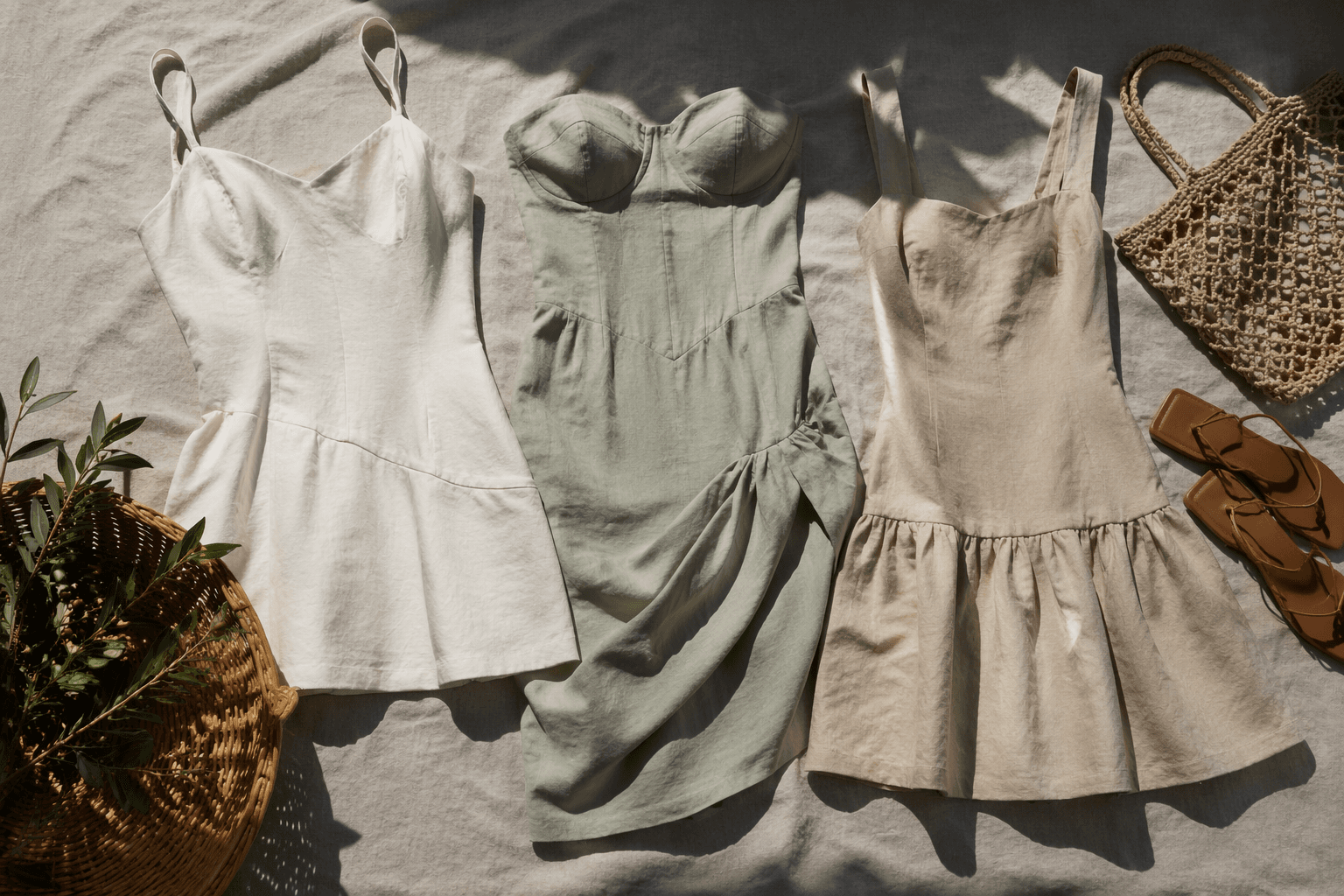
The cleanest win in the edit is the petite 100% European Linen Tank Mini Dress, which Quince offers in a petite length and describes as made from European flax. Linen is already one of summer’s most forgiving fabrics because it breathes and moves with the body, but on a petite frame it can become a problem if the proportions are oversized or the skirt overextends the leg line. A petite mini solves that by keeping the ease of linen while preserving leg length and balance.
That is the deeper logic behind the no-hem-required promise. For shorter women, a dress that needs immediate alteration is not really a simple purchase. Petite patterning is the cleaner solution because it gives you the right starting point, especially when you want something light enough for heat but sharp enough to avoid looking sloppy.
Why this category is suddenly getting more attention
Petite has become a growth category, not a niche corner of the floor. Modern Retail reported in January 2025 that JCPenney said petite apparel has been sold there for half a century and now accounts for nearly 10% of all women’s apparel sales. Circana data also showed women’s petite apparel sales grew 4% in 2024, which is a useful signal that demand is not only persistent but expanding.
That momentum explains why more brands are treating petite as a real business, not an add-on. Modern Retail reported in December 2023 that Mother Denim, Spanx, Kjinsen, and Live Unlimited London were all expanding petite offerings, and industry observer Gabriella Santaniello framed that move as both inclusivity and a new revenue stream. The point is not just that petite shoppers want more choice. It is that they have already been buying, often mixing petite bottoms with regular tops or vice versa, and they are increasingly expecting brands to meet them with better proportioning.
What makes Quince feel relevant now
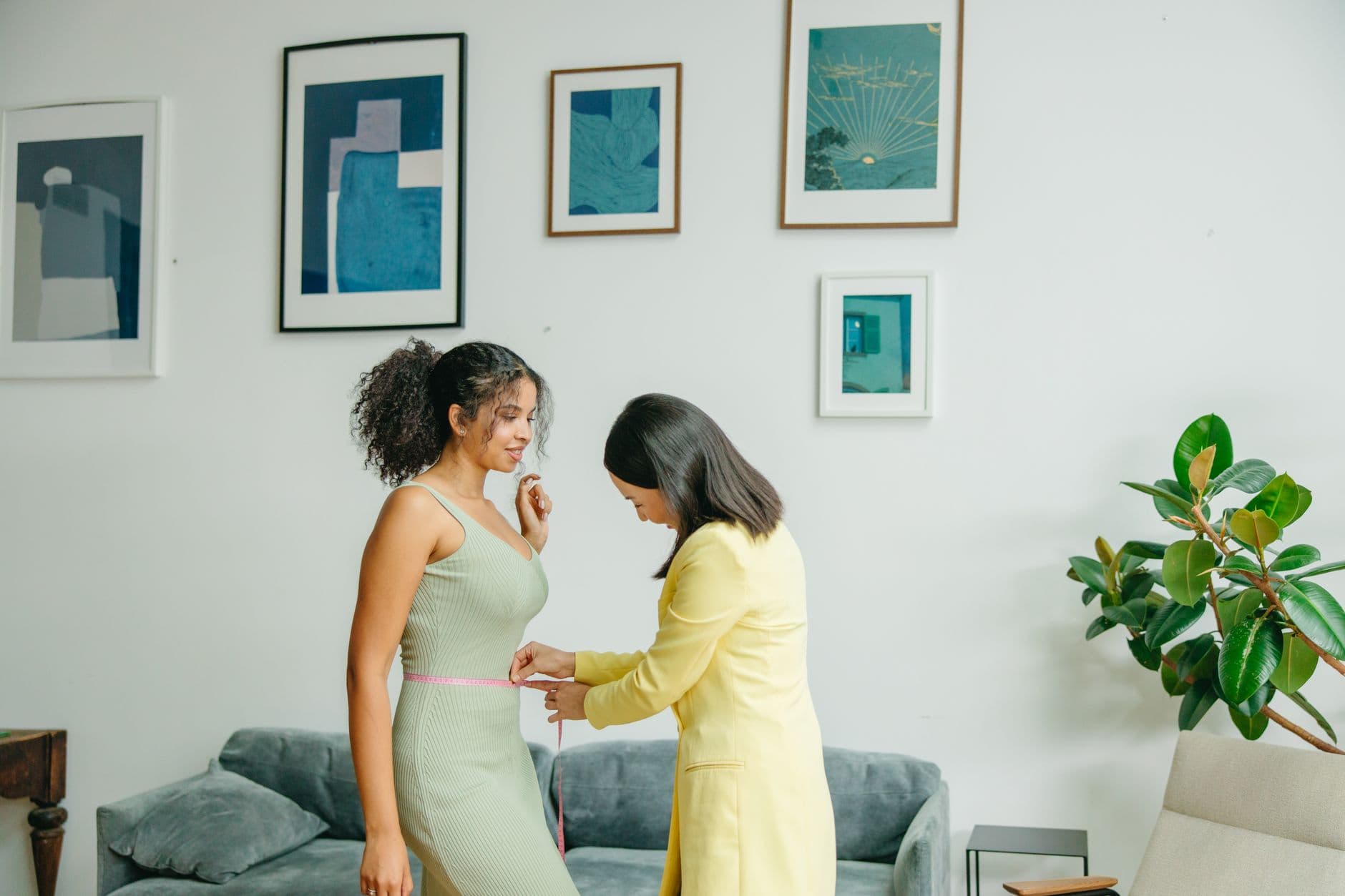
Quince is competing in a crowded but still underbuilt space by making the fit language specific and practical. The brand is not selling petite as a decorative label; it is positioning the line around the exact issues that derail summer dressing for shorter women. Shorter inseams, shorter sleeves, and properly shifted waist, bust, and shoulder points are not glamorous details, but they are the ones that decide whether a dress looks custom or compromised.
For a petite shopper, the clearest silhouettes here are the ones that keep the body visible and the dress light: slip, A-line, fit-and-flare, and well-proportioned midi styles. Maxi dresses can still work, but only when the petite grading keeps the hem from taking over the frame. The best result is a dress that moves easily, lands cleanly, and leaves the body looking elongated rather than overwhelmed.
In the end, Quince’s petite summer dresses answer the question shorter women ask every June: how do you get the ease of a breezy dress without the frustration of a bad fit? The answer, at least here, is not more tailoring. It is better proportion, built in from the first cut.
This article was produced by Prism’s automated news system from verified source data, official records, and press releases, then run through automated quality and moderation checks before publishing. The system is built and supervised by the people who set the standards it runs under. Read our full AI policy.
Did this article answer your question?