Sizing and fit still drive most online apparel returns, report says
Sizing and fit still fuel about 70% of online apparel returns, and petites keep getting stuck with hems, shoulders, and rises that were never built for them.

A blazer can look sharp on the rack and still swallow a petite frame whole once it lands at the door. That mismatch is the business problem brands keep underestimating: sizing and fit issues still drive about 70% of online apparel returns, and the cost is falling hardest on shoppers who need more than a straight-size pattern cut down a notch.
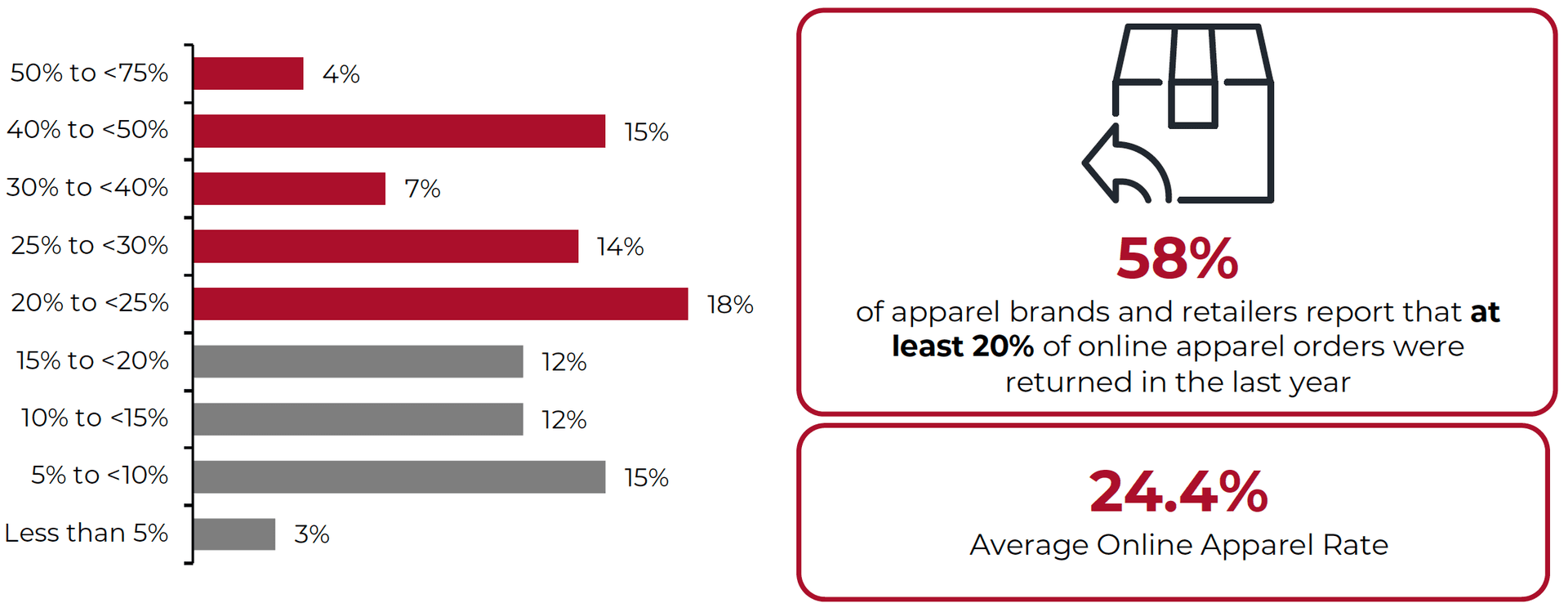
Coresight Research and Alvanon made that case in Shifting the Size and Fit Paradigm: A Three-Pillar Framework To Reduce Returns and Future-Proof for Agentic Commerce. The timing matters because the U.S. online apparel and footwear market reached $201.1 billion in 2025, and a 23.4% return rate translates into $47.1 billion in returned merchandise. Coresight’s earlier estimate put the average return rate for online apparel orders in the U.S. at 24.4%, which makes clear this is not a niche fit complaint. It is a profitability leak.

The report looks beyond the familiar shrug of “fit is hard” and focuses on the mechanics brands can actually control: the financial impact of returns, why people send online purchases back, and how sizing intelligence, fit data, digital fit technologies, AI-driven tools, and body-data analytics can cut the damage. For petite shoppers, that translates into the fixes that matter most: separate fit blocks instead of one compressed size curve, consistent inseams, rise adjustments that keep waistlines where they belong, and published garment measurements that tell the truth before checkout.
Alvanon has spent years framing sizing as an operating-system problem rather than a styling one. Its tools are meant to help brands understand how customers fit, optimize inventory, boost sell-through, reduce returns, and improve the customer experience for everyone from petite shoppers to taller consumers. The company also points out that consumer sizes and measurements vary by region, which is exactly why one global pattern block keeps failing so many bodies.
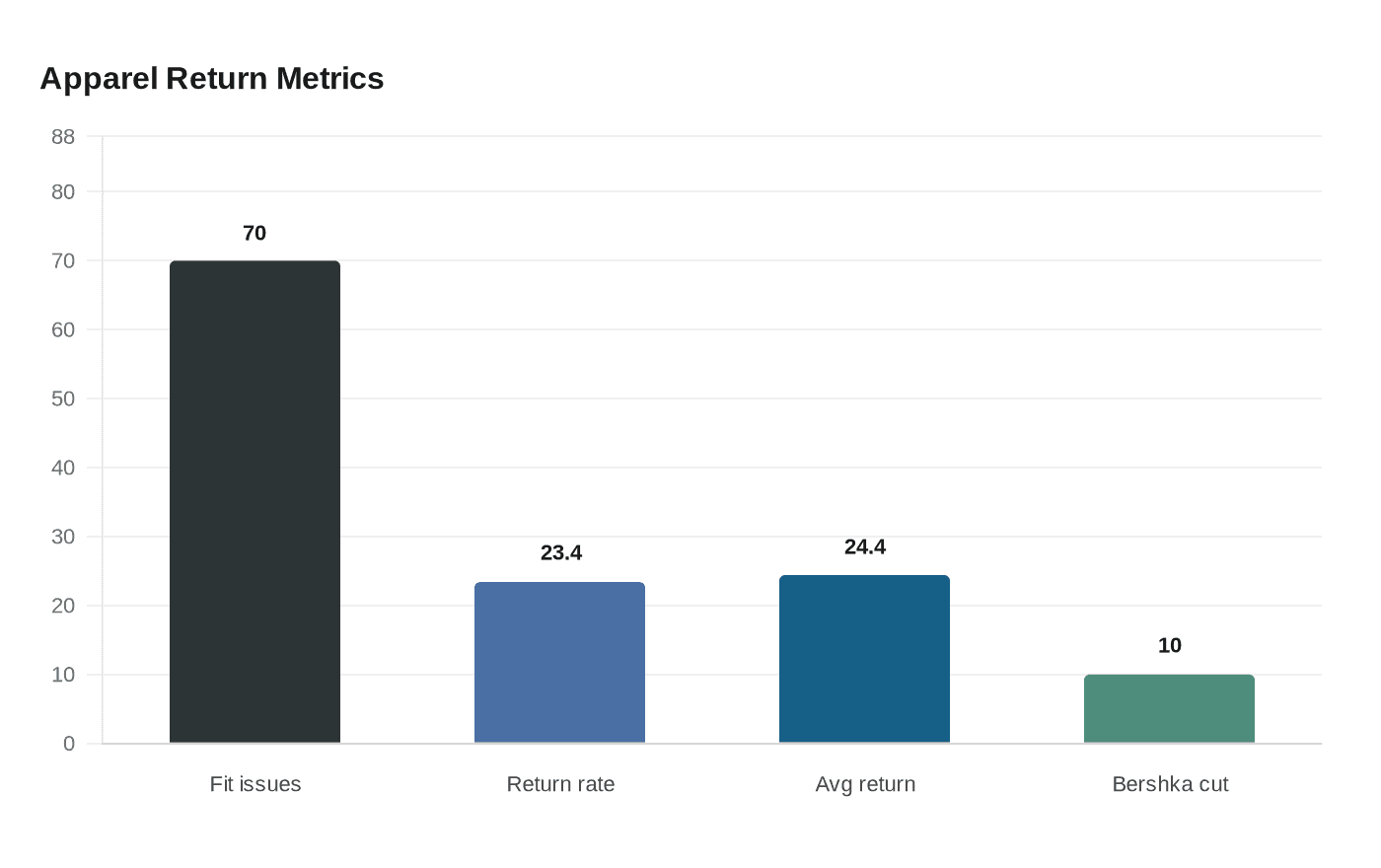
The report cites companies including Alvanon and Inditex, and Alvanon says Bershka cut returns by 10% in 2024 using its standards. That is the part the industry should be paying attention to. The future of fit is not about making garments smaller and calling it petite. It is about building clothing with the right proportions from the start, then showing the measurements with enough clarity that shorter shoppers do not have to gamble on every cart.
This article was produced by Prism’s automated news system from verified source data, official records, and press releases, then run through automated quality and moderation checks before publishing. The system is built and supervised by the people who set the standards it runs under. Read our full AI policy.
Did this article answer your question?