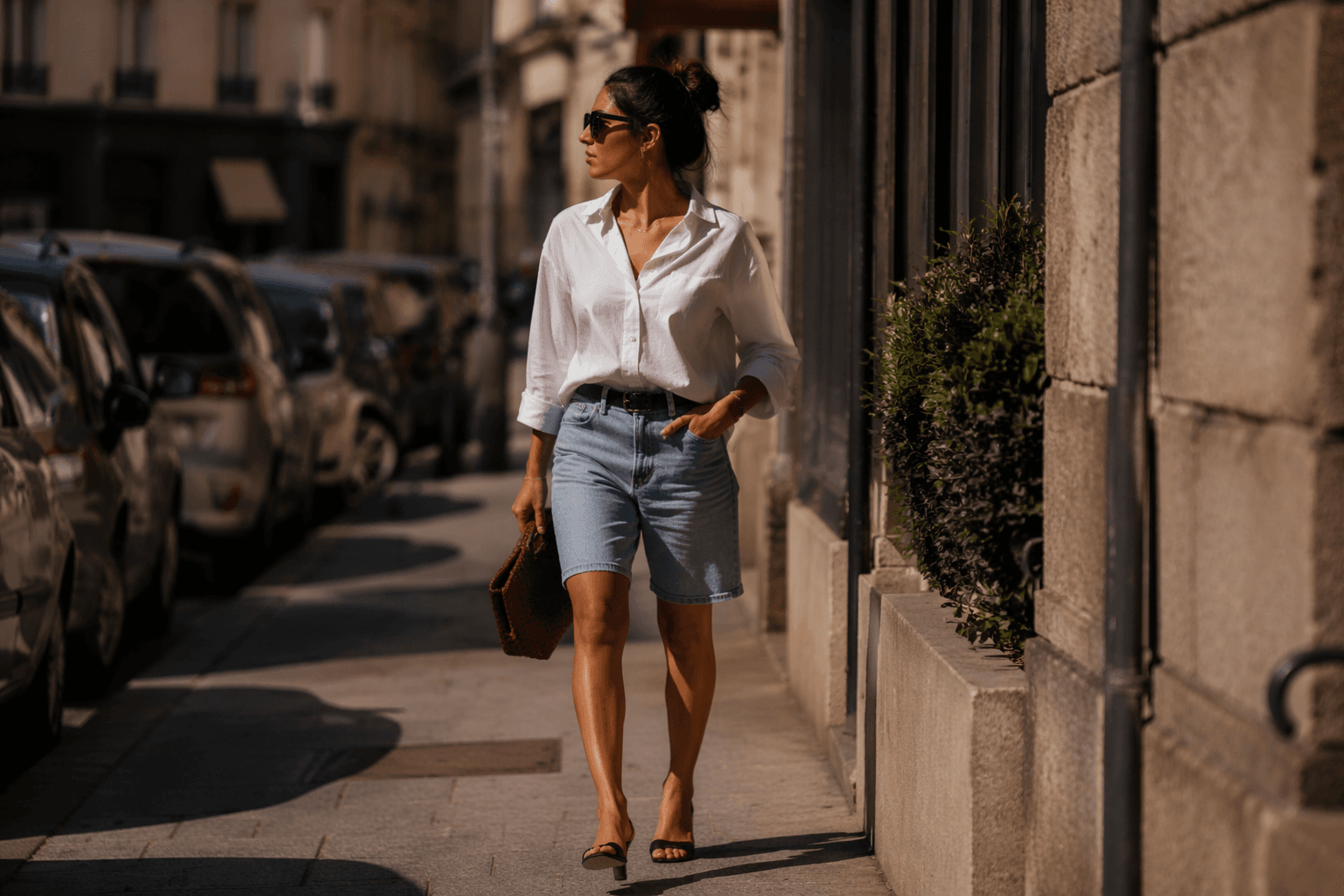
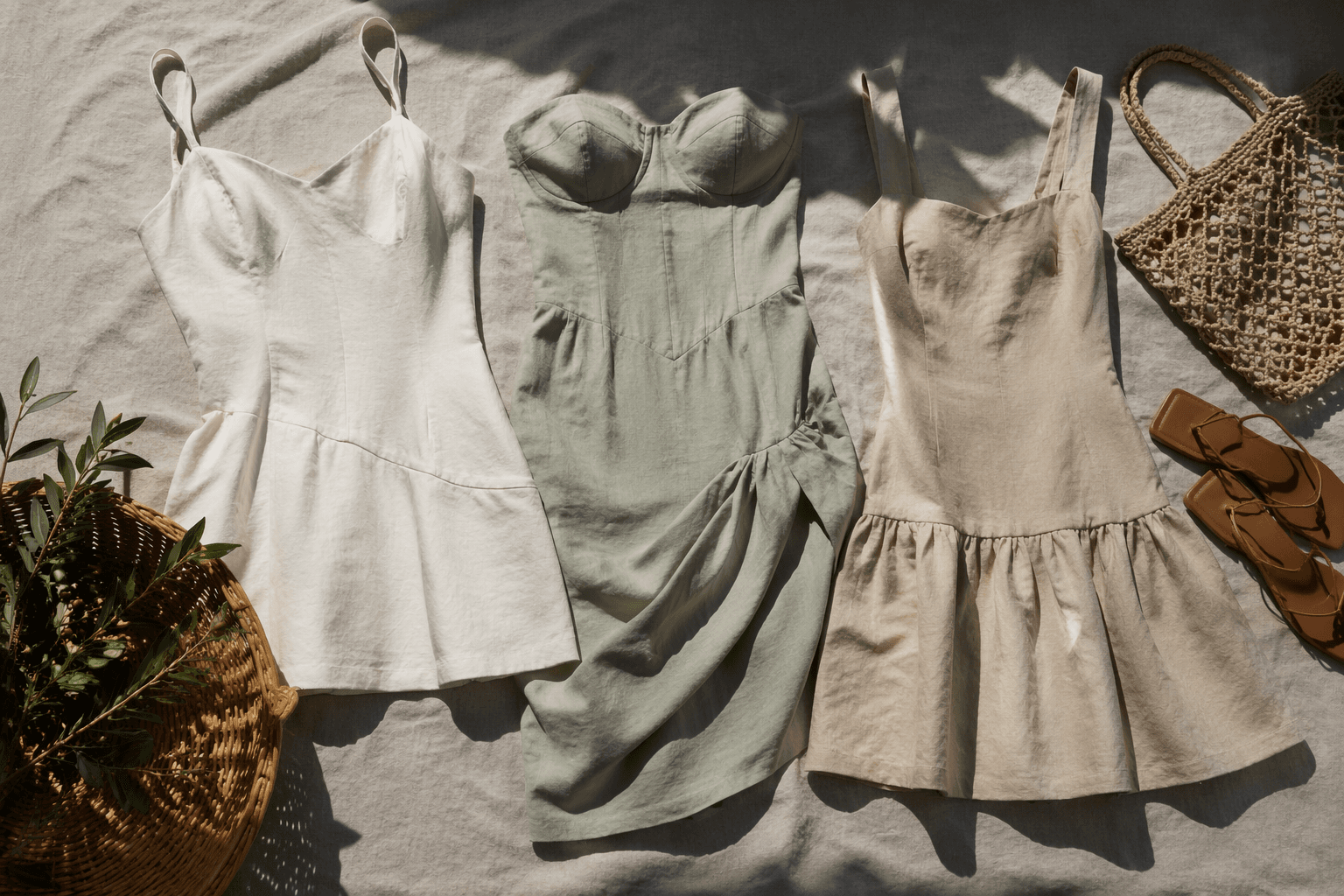
Skirts take center stage in 2026, petite-friendly shapes to try now
Skirts are having the cleanest argument for petites: fewer hemming headaches, more ankle, and sharper lines. The best 2026 cuts make short frames look longer, not lost.

Why skirts are winning for petites
Skirts may be the most petite-friendly hero item on the rack right now. They solve the exact problems that make full-length trousers feel like a fight: less hemming, no awkward pooling at the ankle, and a cleaner line from waist to shoe.
A trouser leg can be beautiful, but on a shorter frame it often drags the eye downward before the outfit has a chance to land. A skirt lets you choose where the silhouette breaks. Hit above the knee and the leg line opens up; stop at the knee and you get structure without getting swallowed; go midi or longer and you can still keep the proportion sharp with a heel or a strict, narrow shape.
The cuts that do the most work
The smartest petite skirts are not all tiny hems and bare legs. The current mix includes mini, midi, sheer and voluminous shapes, plus sarong silhouettes, column skirts, super-minis and draped midi-maxis. The real trick is control: the cleaner the line, the less fabric has to be negotiated.
Knee-length skirts are especially useful because they give coverage without chopping the body in an awkward place. Column skirts skim instead of flare, which keeps the silhouette long and tidy, while sarong wraps soften the hip without adding bulk. Super-minis do the opposite job, creating instant leg length with almost no visual weight, which is exactly why they feel so strong on shorter frames.
Then there are the moodier pieces. Sheer skirts can work when the transparency lightens the volume, and voluminous skirts can be brilliant if the waist is pinned high and the hem lands cleanly instead of collapsing around the calf. On a petite frame, excess length with no shape is the danger zone. That is when the fabric starts wearing you.
Why skirts beat full-length trousers on proportion
This is where skirts get practical, not just pretty. Full-length trousers usually demand hemming, and even a well-tailored pair can bunch at the ankle if the rise, inseam and shoe choice are not lined up perfectly. Skirts skip that battle entirely: the hem is visible, the ankle stays exposed, and the outfit reads longer because the eye is not stopping at a pile of fabric.
That exposed ankle matters more than people admit. It creates air in the look, especially with a pointed flat, a slingback or a heel, and air is what keeps a petite frame from looking boxed in. You still need to pay attention to proportion, but skirts give you a cleaner starting point than a pant leg that can instantly turn heavy.
Who What Wear has been blunt about the fit reality too: petite women often run into off-the-rack issues, and tailoring is frequently part of the solution. That is exactly why skirts make sense. They are easier to alter, easier to style with shoe height, and far less likely to need the kind of wholesale rescue that a too-long trouser does.
Sabrina Carpenter and Ariana Grande are useful reference points here because both are notably short and wear skirts in ways that rebalance proportion with shoes and volume. The lesson is not to copy their outfits piece for piece. It is to notice how they use a hemline to make the rest of the look behave.
The runway is backing up the shift
The runway story is not subtle. W magazine described spring 2026 as the season of the “statement skirt, simple shirt” and called out Chanel, Balenciaga, Bottega Veneta, Loewe and Alaïa as proof that the skirt is no longer an accessory to the look; it is the look. That stripped-back styling matters for petites because it keeps the top half calm while the hem does the visual work.
PORTER’s skirt guide pushed the same idea from another angle, highlighting sarong silhouettes, column skirts, super-minis and draped midi-maxi shapes as defining pieces. Its advice to balance longer lengths with a heel or a tailor is the right translation for shorter bodies: if the skirt is doing more fabric, the rest of the outfit has to get leaner and more deliberate. Colleen Ross breaks the silhouette down like someone who understands that proportion is the whole point, not an afterthought.
Who What Wear added knee-length skirts, kilts, leather skirts, skirt suits and sheer skirts to the spring 2026 conversation, which tells you this revival is not stuck in one register. There is polish here, but also edge. Leather brings gloss and weight, kilts sharpen the line, and skirt suits let the hem do the power-dressing without resorting to a long trouser that can drag the frame down.
This revival has real history behind it
The current obsession makes more sense when you look at skirt history. The Victoria and Albert Museum notes that short skirts developed alongside late-1950s youth culture, with André Courrèges’s April 1964 couture collection helping short skirts reach international publicity and Mary Quant’s miniskirt becoming truly short by 1966. That is a neat reminder that every skirt boom arrives with a new sense of freedom attached to it.
Before that, hemline shifts were already doing the cultural heavy lifting. TheIndustry.fashion points to the 1920s flapper hemline as avant-garde, then the 1930s slide back toward longer lines during the Great Depression before the 1950s returned to volume and tea-length polish. Skirts keep coming back because they are never just about length. They track mood, money and the way women want to move through a room.
That is why the 2026 version feels so current. It is not nostalgia for a single era. It is a reset on silhouette, the kind that makes room for a narrow waist, a sharp shoe and a hem that knows exactly what it is doing.
The petite edit to try now
If you are short and want the easiest entry point, start with shapes that show ankle or stop cleanly at the knee.
- A mini or super-mini if you want instant leg length and minimal hemming drama
- A knee-length skirt if you want coverage without the visual drag of a longer hem
- A column or sarong skirt if you want fluidity without volume overload
- A draped midi if you are willing to add a heel or get the hem adjusted
- A sheer or leather skirt if you want texture, not just length, doing the styling work
The category also has serious business muscle behind it. Maia Research puts the global women’s dresses and skirts market at $195.08 billion in 2025, rising to $302.91 billion by 2033, which tells you this is not a fringe fashion mood. But the more important point for petites is simpler: skirts give you control over line, length and proportion in a way trousers often do not.
Skirts are back because they make the body look considered rather than overpowered. For shorter frames, that is the whole game: less excess at the ankle, more intention at the hem, and silhouettes that let the outfit breathe instead of burying it.
This article was produced by Prism’s automated news system from verified source data, official records, and press releases, then run through automated quality and moderation checks before publishing. The system is built and supervised by the people who set the standards it runs under. Read our full AI policy.
Did this article answer your question?