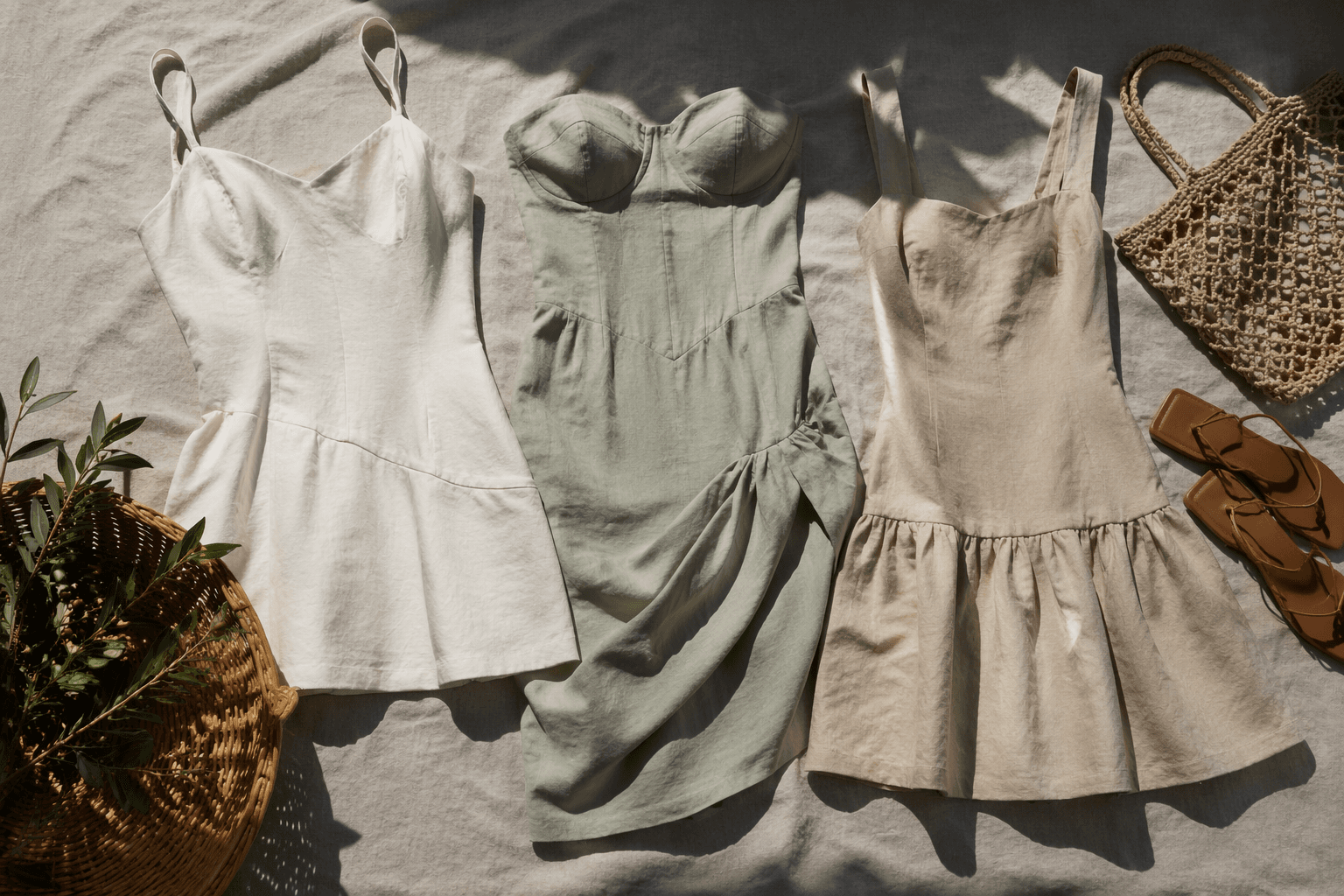
Smart Tailoring Rules That Transform Any Petite Wardrobe
Four tailoring fixes — inseams, waist placement, shoulders, sleeves — are the difference between clothes that fit and clothes that transform.

There's a stat that stops most petite shoppers cold: the average ready-to-wear garment is drafted for a 5'7" woman. If you're standing at 5'2" or under, you're not shopping in a system built for your body — you're fighting it. The good news is that four targeted alterations can close that gap entirely, and knowing which ones to prioritize is the difference between a wardrobe that looks "fine" and one that looks intentional.
This isn't about buying petite-labeled clothing and hoping for the best. Petite sizing is inconsistent across brands, and plenty of the most interesting pieces — the sharp blazers, the wide-leg trousers, the structured coats that actually have presence — don't come in a petite run at all. The real unlock is understanding proportion, knowing exactly where your clothes are failing you, and fixing those four pressure points with surgical precision.
Inseams: The First Fix, Always
The inseam is the most obvious place ready-to-wear falls apart for anyone under 5'4". A standard trouser inseam runs 30 to 32 inches; a petite inseam typically sits around 26 to 28 inches, but even within that range, the fit varies wildly depending on where the rise hits your body. Shortening an inseam is also one of the cheapest and most accessible alterations a tailor can make — most shops charge between $12 and $25 depending on fabric weight and hem style.
The specific hem finish matters more than most people realize. A wide-leg trouser in a fluid fabric like crepe or satin needs a clean, weighted hem to maintain its drape; cut it too short without accounting for that weight and the leg collapses. Denim requires a different calculation entirely — preserving the original factory hem (a technique where the tailor reattaches the original stitched hem after removing fabric from above it) keeps the worn-in look intact, which is worth the slight upcharge. For straight-leg or tapered styles, a standard blind hem works cleanly. Know what you're asking for before you walk into the shop.
Waist and Hemline Placement: Where Proportion Gets Made or Broken
Raising the waist seam or adjusting where a hemline falls relative to your body is the alteration with the highest visual return for petites, and it's the one most people underestimate. On a 5'7" frame, a midi skirt hem might hit mid-calf with elegant proportions. On a 5'2" frame, that same hem drags the eye downward and cuts the leg at its widest point, which shortens the visual line dramatically.
The fix isn't always to go shorter. Sometimes it's about repositioning where the waist seams lands on your torso. A dropped-waist dress designed to hit at the hip on a taller woman will often fall below the hip on a petite frame, eliminating the waist definition entirely. A skilled tailor can raise that seam to sit where it was intended to visually — and the resulting garment looks like it was made for you, because at that point, effectively it was.
For hemlines specifically: skirts and dresses tend to read best on petite frames when they land just above the knee (to elongate the leg), or at true midi length — meaning below the knee but well above the ankle, hitting roughly 2 to 3 inches below the knee. The mid-calf length is the zone to avoid unless the outfit is deliberately styled with a heel that clears that break.
Shoulder Width: The Alteration People Skip and Shouldn't
Narrowing shoulder width is a more involved alteration than hemming, and it costs more — typically $40 to $80 depending on garment construction — but it's the one that makes the biggest structural difference on outerwear and tailored pieces. A shoulder seam that extends past the natural shoulder point doesn't just look sloppy; it physically changes how a garment drapes across the chest and back, pulling the sleeves forward and creating fabric pooling that no amount of belting or tucking can fix.
For blazers and structured jackets especially, the shoulder is the load-bearing element of the entire garment. Get it right and everything else — the lapel roll, the chest fit, the sleeve hang — falls into place. Get it wrong and you're wearing a garment that is visually wearing you. If you're investing in a quality blazer, whether that's an $85 piece from a high-street brand or a $600 investment from a heritage label, build the shoulder alteration into your cost calculation from the start.
Knits and unstructured pieces are more forgiving and usually don't require shoulder work. Focus the shoulder alteration budget on anything with a defined shoulder seam, shoulder pads, or a structured canvas.
Sleeve Length: The Detail That Reads as Polish
Sleeve length is the finishing touch, but it reads loudly. A jacket sleeve that covers the hand, or a shirt cuff that bunches at the wrist, signals immediately that a garment wasn't fitted — even if everything else is perfect. The standard rule for tailored jacket sleeves is that the cuff should break at the wrist bone, with roughly a quarter to half inch of shirt cuff visible below if you're wearing one. Most petite women need between half an inch and one and a half inches removed from ready-to-wear jacket sleeves.
The complication with sleeve alterations is the cuff. On a button-cuff shirt or a jacket with functional buttonholes, shortening from the cuff end requires careful work to preserve the button placement and the cuff shape — and costs more accordingly. Shortening from the shoulder end (called a sleeve pitch alteration) is cleaner structurally but more expensive. For most everyday pieces, shortening from the hem with a clean finish is sufficient and costs between $15 and $35.
Building the Alteration-First Shopping Mindset
The shift that changes everything for petite dressing isn't a new brand discovery or a specific trend cycle. It's approaching every major purchase with the alteration budget factored in. A $180 blazer that fits at the shoulders and chest but needs $60 of sleeve and hem work is still a $240 blazer — but it's one that fits the way a $400 piece should. That math works in your favor consistently, and it reframes the tailor relationship from an emergency fix to a design collaboration.
The four alterations covered here — inseams, waist and hemline placement, shoulder width, and sleeve length — address the structural reasons why ready-to-wear fails petite bodies. They're not style opinions; they're proportion corrections. Nail these, and the creative choices about color, silhouette, and trend become a lot more fun, because you're finally working with clothes that start from the right foundation.
This article was produced by Prism’s automated news system from verified source data, official records, and press releases, then run through automated quality and moderation checks before publishing. The system is built and supervised by the people who set the standards it runs under. Read our full AI policy.
Did this article answer your question?