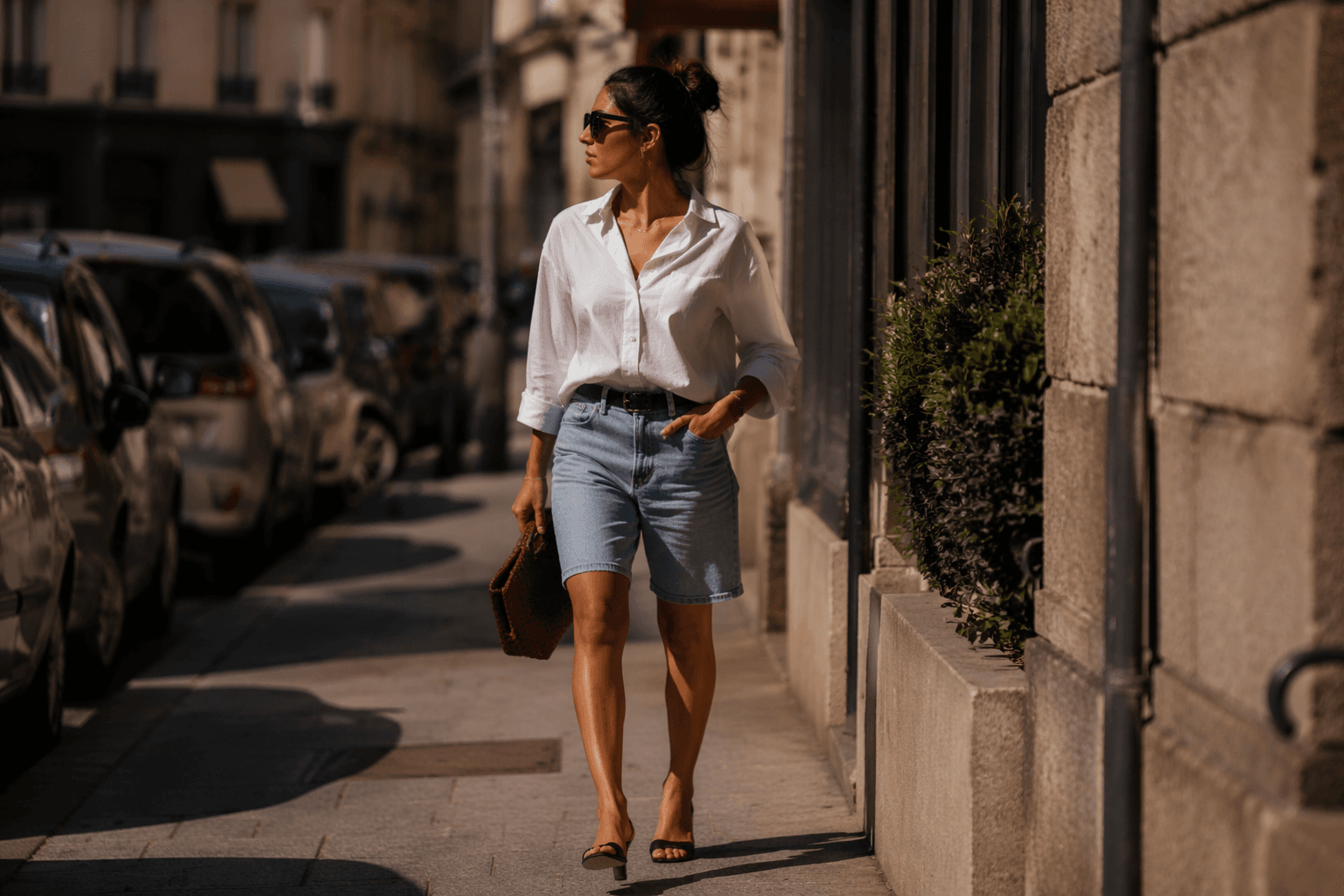
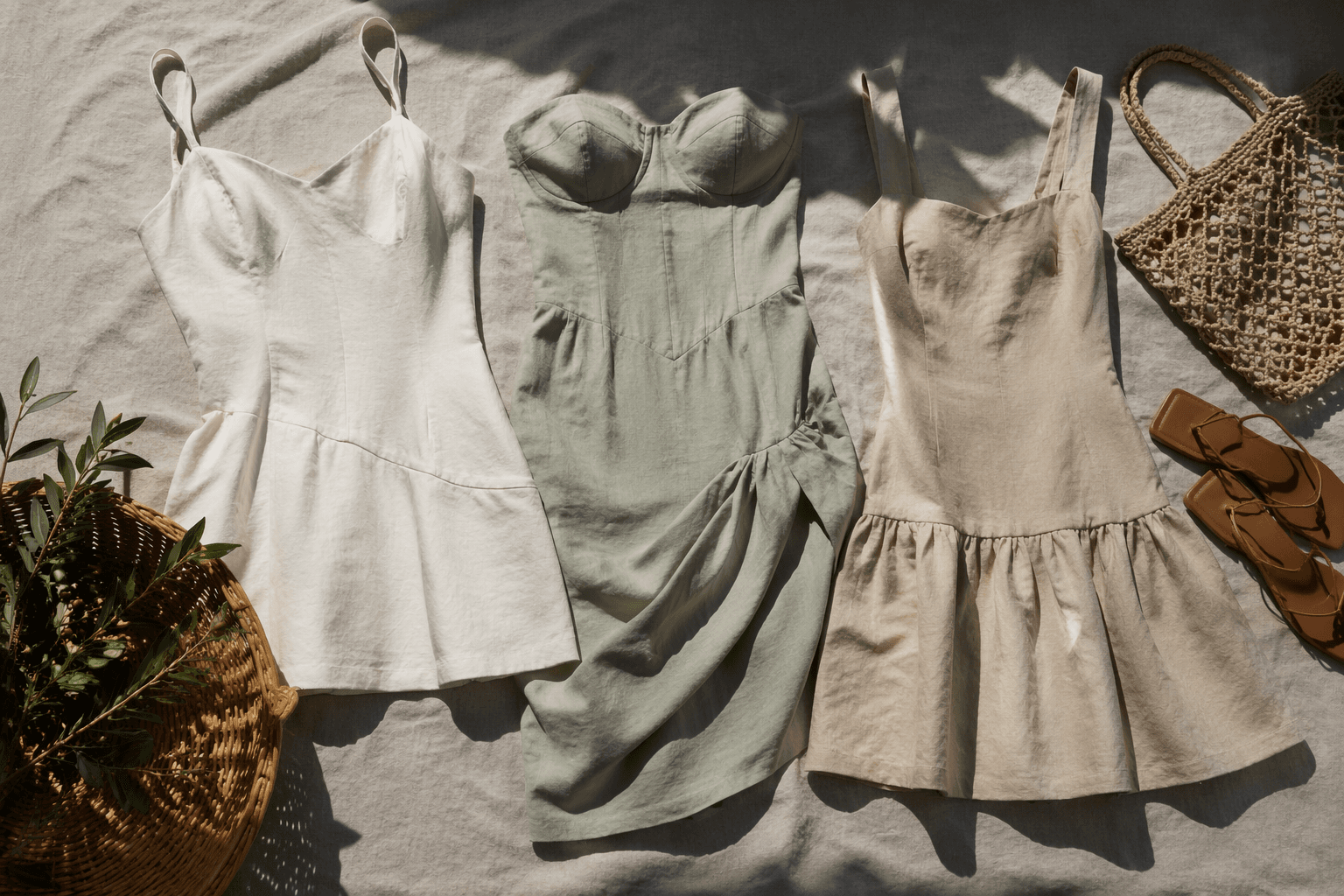
Spring Closet Edit Guide: Colors, Shoes, and Petite-Friendly Picks
Neutrals, pastel pops, and the right shoe silhouette can transform a petite frame this spring — starting with what's already in your closet.
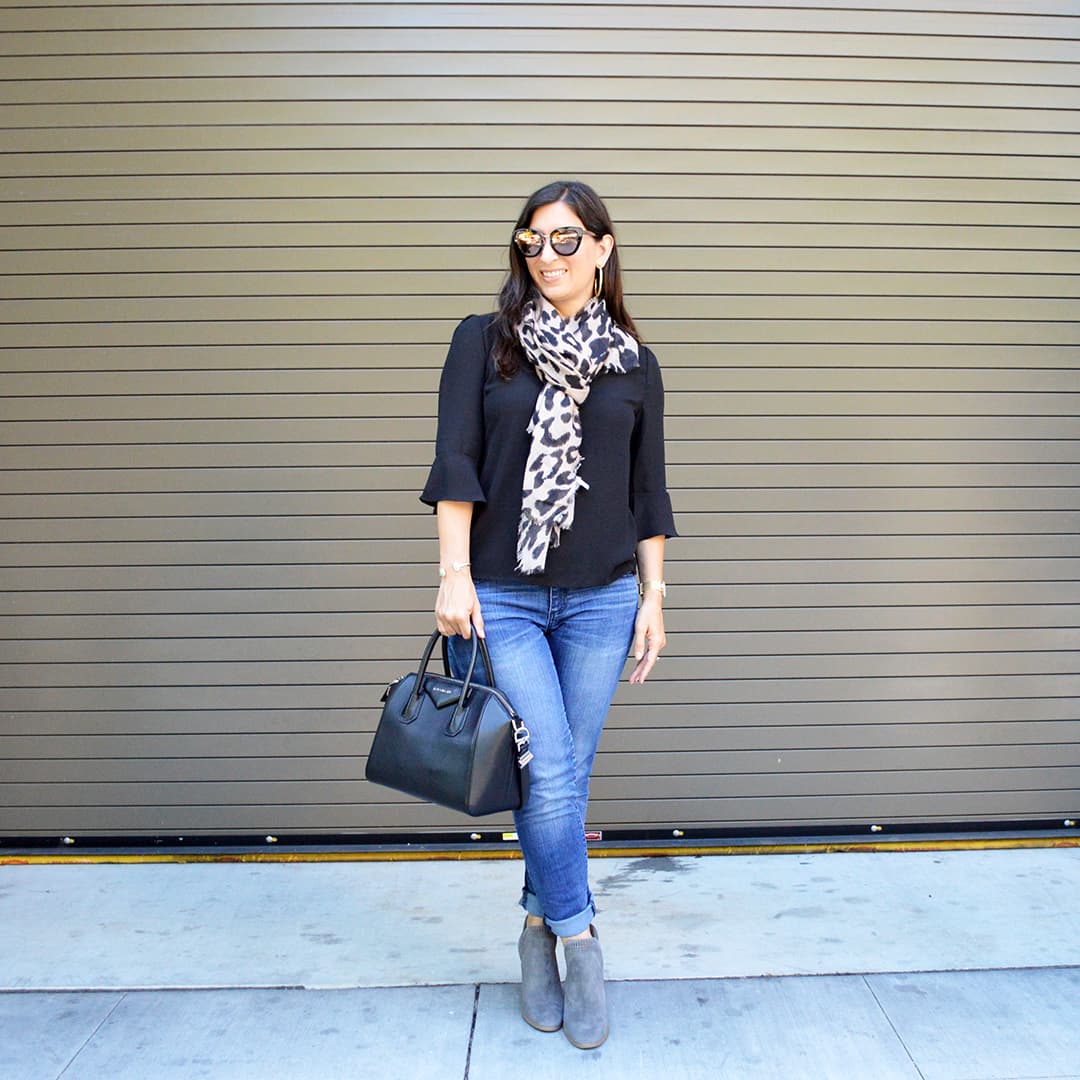
Spring doesn't require a shopping spree. It requires a ruthless edit. Before you reach for your credit card, the smartest move is to open your own wardrobe and treat it like a well-curated boutique — pulling out what still works, releasing what doesn't, and identifying the gaps worth actually filling. This is the logic behind the "shop your closet" approach, and for petite dressers especially, it's not just a money-saving exercise. It's a proportions exercise.
Start With Color: Neutrals as Your Foundation
The palette for spring 2026 is built on a clean, calm base. Neutrals — think warm ivory, soft camel, oat, and pale stone — form the backbone of a well-edited spring wardrobe. These aren't boring choices; they're architectural ones. For petite frames, a monochromatic neutral outfit creates an uninterrupted vertical line that adds visual height without requiring a single heel.
When you open your closet for the seasonal edit, pull every neutral piece you own and assess it honestly. Does the cut still work? Is the fabric holding up? A limp, overwashed beige linen shirt does you no favors. The goal is a tight collection of neutrals in excellent condition that can anchor any outfit you build around them.
Then Add the Pastel Pops
Pastels are the season's accent, not its foundation. Pale lavender, soft butter yellow, dusty rose, and mint green are all in play this spring, and the key is restraint. One pastel piece per outfit is a guideline worth keeping, particularly for petite dressers who benefit from keeping the eye focused rather than scattered across multiple competing tones.
During your closet review, set aside any pastel pieces from previous springs and hold them up to the light. Pastels fade unevenly, and a washed-out blush top that looked fresh two seasons ago can now read as simply dull. If it still has vibrancy and the cut flatters, keep it. If it's pulling or pooling in the wrong places, let it go. Pastels only work when they look intentional.
The Keep-or-Donate Checklist
This is where the edit gets honest. The "shop your closet" method works because it forces a decision on every item rather than letting the closet expand indefinitely. For spring, the criteria are clear:
- Keep anything in the neutral-to-pastel palette that fits well at the shoulder. For petite frames, shoulder fit is non-negotiable — everything else can be tailored, but an oversized shoulder ruins a silhouette entirely.
- Keep lightweight layers: a well-cut blazer, a fluid trench, a fine-knit cardigan in a neutral. These are spring workhorses.
- Donate anything that requires significant mental effort to style. If you've been "meaning to figure out" how to wear something for more than one season, it's not for you.
- Donate bulky fabrics and heavy textures that read as autumn regardless of color. Chunky knits and thick wool blazers don't belong in a spring edit, even if they're technically ivory.
- Set aside transitional pieces — lighter denim, cotton shirting, mid-weight trousers — that can carry you through the unpredictable weeks of early spring before the season fully commits.
For petite dressers, the donate pile should also include anything with exaggerated proportions that can't be tailored into balance. Oversized everything had its moment, but a cropped, slightly relaxed fit reads far cleaner on a shorter frame than a deliberately oversized silhouette that risks swamping you entirely.
Shoes: Silhouettes That Work Right Now
Footwear is where the seasonal edit gets specific. For spring 2026, the shoe shapes worth keeping and wearing are those that elongate without demanding discomfort. Pointed-toe flats and low-heeled mules are both strong choices for petite dressers because they extend the visual line of the leg while remaining genuinely wearable across a full day.
Ballet flats remain in play, but the version that's earning attention this spring is slightly more structured than the whisper-thin soles of a few seasons ago. A ballet flat with a modest leather insole and clean construction reads as polished rather than casual, which matters when you're pairing it with the tailored pieces that anchor a petite wardrobe.
Block-heeled sandals are the season's practical elevation option. The heel height adds inches without the instability of a stiletto, and the chunkier base keeps the proportions grounded. For petite dressers wearing wide-leg trousers or a midi skirt, a block heel prevents the shoe from disappearing visually beneath the hem.
When you do your shoe edit, apply the same logic as the clothing review. If a shoe requires break-in time you never got around to completing, it goes. If a sandal's ankle strap hits at the widest point of your ankle rather than above it, it's working against you proportionally. A strap that sits just above the ankle bone, or one that doesn't cross the ankle at all, keeps the leg line cleaner.
Handbags: Size and Shape for the Season
Spring handbags lean toward the considered and compact. Structured mini bags and medium-sized top-handle styles are the shapes that photograph beautifully this season, but for petite dressers, the practical advice is to stay proportional. A bag that reaches below your hip line visually shortens your torso. A bag carried at the elbow or shoulder, sitting neatly at the waist or just above the hip, is the more flattering carry.
Soft, unstructured totes work for spring errands but can overwhelm a petite frame when they're very large. If you love a roomy tote, look for one in a vertical shape rather than a wide horizontal one — it travels alongside your body rather than across it.
Woven textures, soft leathers, and pastel-dyed materials are all appropriate for spring bags. Again, apply the keep-or-donate logic here too: if a bag is in great condition and sits at the right proportion for your frame, it stays. If it's been shoved to the back of the shelf for two seasons, the space it's occupying is better used.
Making the Edit Work For You
The point of a seasonal closet edit isn't minimalism for its own sake. It's clarity. When you pull out only what works — the right neutrals, the right pastels, the silhouettes that flatter your proportions, the shoes that extend rather than shorten your frame — getting dressed stops being a negotiation and starts being straightforward.
For petite dressers, proportional dressing is a craft worth practicing every season. The spring 2026 palette and silhouettes are genuinely friendly to shorter frames: clean lines, light fabrics, restrained color. Work with that, and your wardrobe will feel like it was built for you, because after a proper edit, it finally will be.
This article was produced by Prism’s automated news system from verified source data, official records, and press releases, then run through automated quality and moderation checks before publishing. The system is built and supervised by the people who set the standards it runs under. Read our full AI policy.
Did this article answer your question?