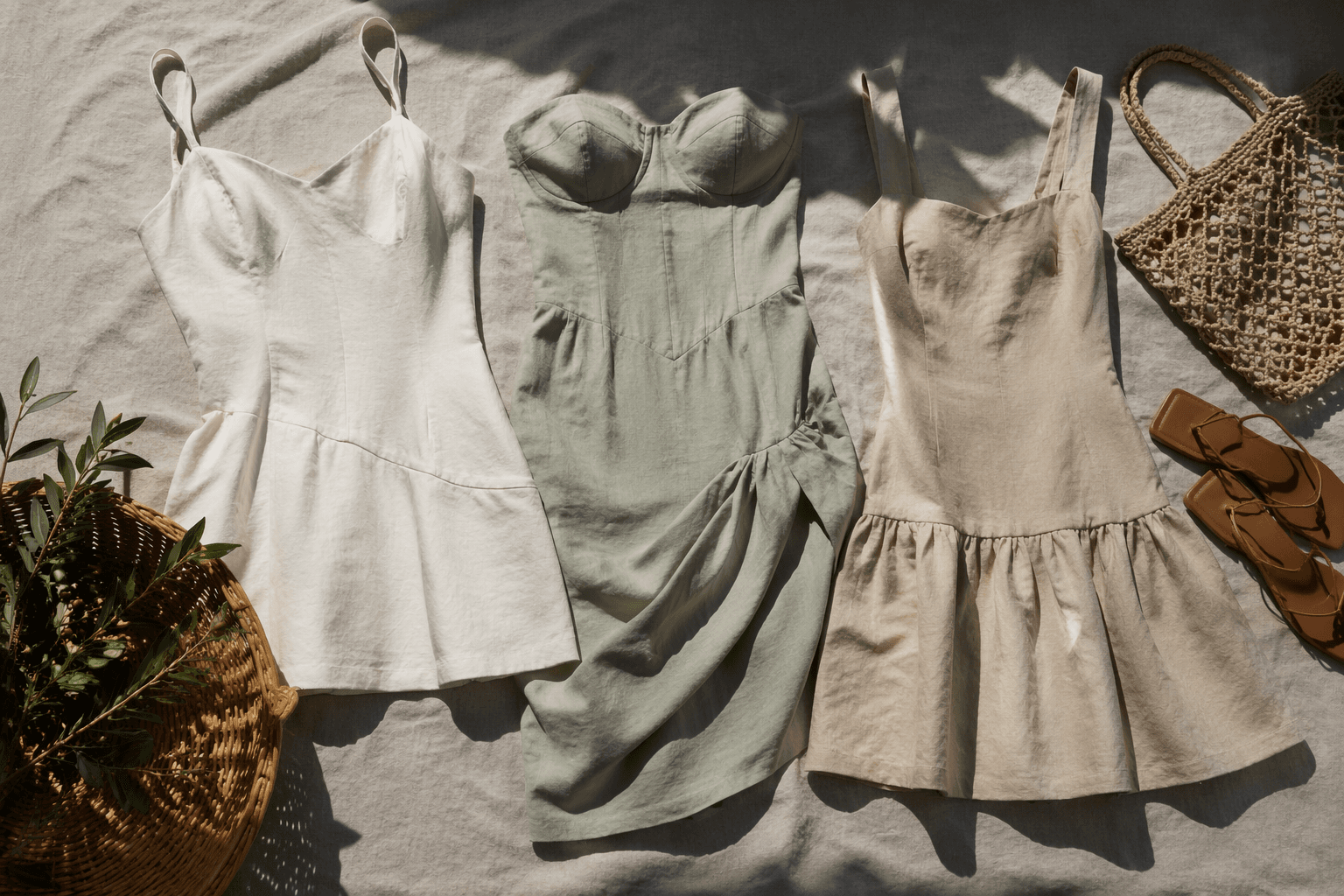
Spring dresses for petites, flattering fits under $100
Petite shopping is less about the label than the lines: the right waist, hem, sleeve, and drape can make a standard-size spring dress look made-to-measure.
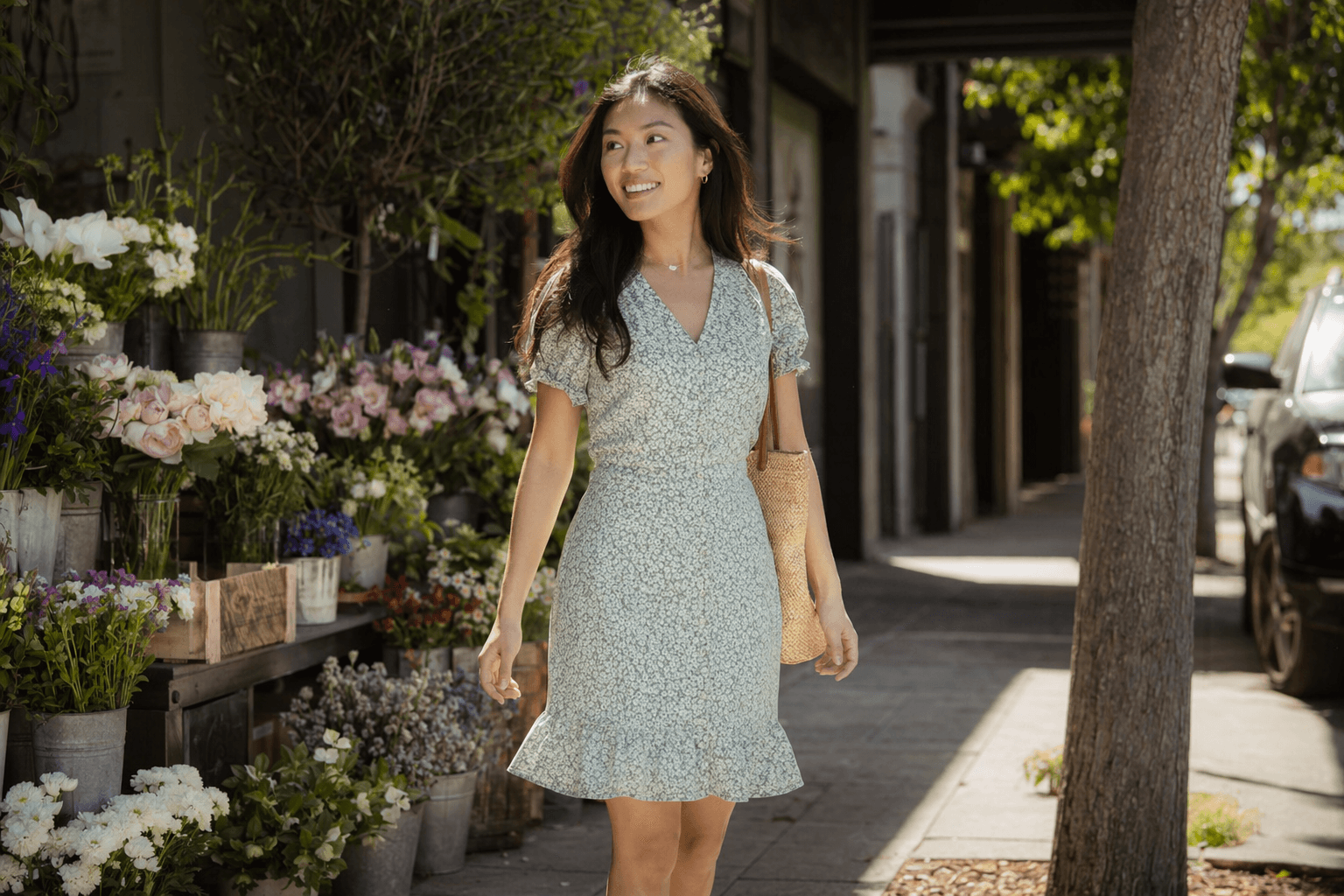
The petite fit signals that matter more than the label
The first surprise in spring dressing for petites is that a dedicated petite tag is not always the answer. Nada Manley’s latest dress edit makes the case plainly: many of the best petite-friendly dresses are not from petite brands at all, and the smarter move is to read the garment like a stylist would, starting with where the waist hits, how the hem lands, and whether the sleeves overwhelm the hand.
That approach matters because petite sizing has a specific technical meaning. In mainstream retail, petite is generally designed for women 5'4" and under, with proportions adjusted through shorter sleeves, reduced inseams, and shorter body lengths. Chico’s takes the same logic further in its size chart, noting petite pieces are cut for women 5'4" or under, regardless of size, with raised waistlines and shortened lengths. J.Jill’s fit guidance adds a practical clue: if sleeves drift to the middle of your hand or you shorten most hemlines, petite may be the better starting point.
Why this spring roundup feels especially useful
Manley published her roundup on April 23, 2026, with 25 spring dresses chosen for petite-friendly wear and budget-friendly shopping, most of them under $100. That price point gives the edit a real-world edge. It is not a dreamy resort collection built for the mood board; it is a working wardrobe for brunches, showers, graduations, and every warm-weather event that arrives before a tailor can squeeze you in.
She also anchors the piece in her own frame, saying she is 5'2" and usually wears a true size XS. That detail matters because it explains the editorial eye behind the curation. The dresses are not presented as theoretical solutions for petites, but as pieces that can actually land correctly on a smaller body without a full alteration plan.
Waist hit: the fastest way to sharpen the silhouette
If there is one fit cue to check first, it is the waist. On a petite frame, a waistline that drops too low can collapse the proportions and make the whole dress feel borrowed. A better hit point creates instant lift through the torso and helps the eye read the body as longer and cleaner.
This is where fit beats branding. A standard-size dress with a higher seam or a naturally defined waist can look far more polished than a petite dress with the wrong shaping. The goal is not simply to avoid excess fabric; it is to make the midsection do visual work, giving the outfit structure without stiffness.
Hem finish: the detail that changes everything
Hemline placement is one of fashion’s most powerful proportion tools, and it is especially decisive for petites. The University of Minnesota’s fashion text notes that where a hem falls changes the silhouette and directs what the eye notices first. On a shorter frame, that can be the difference between a dress that lengthens the leg line and one that cuts it off at an awkward point.
That is why spring dresses often work best when the hem is deliberate, not accidental. A midi that stops at the narrowest part of the calf can look long and elegant, while one that ends at a heavier spot can feel bulky. A mini can be playful and clean if it does not swamp the top half of the body. Even a maxi can succeed if it skims rather than pools, letting the fabric move instead of dragging the shape downward.
Sleeve proportion: the easiest giveaway
Sleeves are one of the quickest tells in petite dressing. If they swallow the wrist, bunch at the forearm, or land halfway across the hand, the whole dress starts to feel oversized, even when the size is technically right. Petite guides from major retailers consistently flag shorter sleeves for this reason, and J.Jill’s advice reflects the same principle in plain language.
For spring, that often means looking for a bracelet sleeve, a shortened flutter sleeve, or a clean sleeveless cut that keeps the frame open. A slim sleeve can make a budget dress look far more considered, while an exaggerated puff or dropped shoulder needs especially careful proportion control. The more the sleeve respects the arm, the less the dress needs tailoring.
Fabric drape: the difference between fluid and fussy
Drape is the quiet hero of petite dressing. A fabric that skims the body and falls cleanly can create length without adding bulk, which is exactly what smaller frames need in a spring dress. Crisp cottons, soft jerseys, and airy blends can all work, but the cut has to let the fabric move instead of stiffening into a box.
Manley’s emphasis on petite-friendly, not strictly petite-sized, dresses makes this especially useful. A well-placed seam in a lighter fabric can outperform a petite-specific dress made from something too heavy or too rigid. The eye reads flow as polish, and polish reads as expensive, even when the price stays under $100.
Why the conversation is still so current
This is not an old niche complaint that has faded with better fit technology. A Virginia Tech study on petite women specifically examined whether petite women perceive garment fit and style proportion problems, and its sample ranged from 4'9" to 5'6". That range says a lot: petite dressing is not about one exact height, but about how proportion changes across a spread of smaller bodies.
The fact that Who What Wear has published multiple petite-spring guides in 2026, including roundups centered on dresses and capsule wardrobes, shows how current the issue remains. Their guidance keeps circling back to the same essentials: bodice length, hem length, sleeve length, and avoiding unnecessary tailoring. That is exactly the logic Manley’s roundup taps into, but with a sharper budget lens and a more immediate shopping payoff.
The spring shopping takeaway
The best petite-friendly spring dress is not always the one labeled petite. It is the one that makes your waist look intentional, your hem look planned, your sleeves look precise, and your fabric look as if it was made to move with you. That is why a smart under-$100 edit can be more useful than a pricey, over-engineered petite collection: it trains the eye to see fit as proportion first, not label first.
For petites, that shift is everything. Once you know what to scan for, spring dressing stops being a return cycle and starts looking exactly like it should, longer, sharper, and far more polished.
This article was produced by Prism’s automated news system from verified source data, official records, and press releases, then run through automated quality and moderation checks before publishing. The system is built and supervised by the people who set the standards it runs under. Read our full AI policy.
Did this article answer your question?