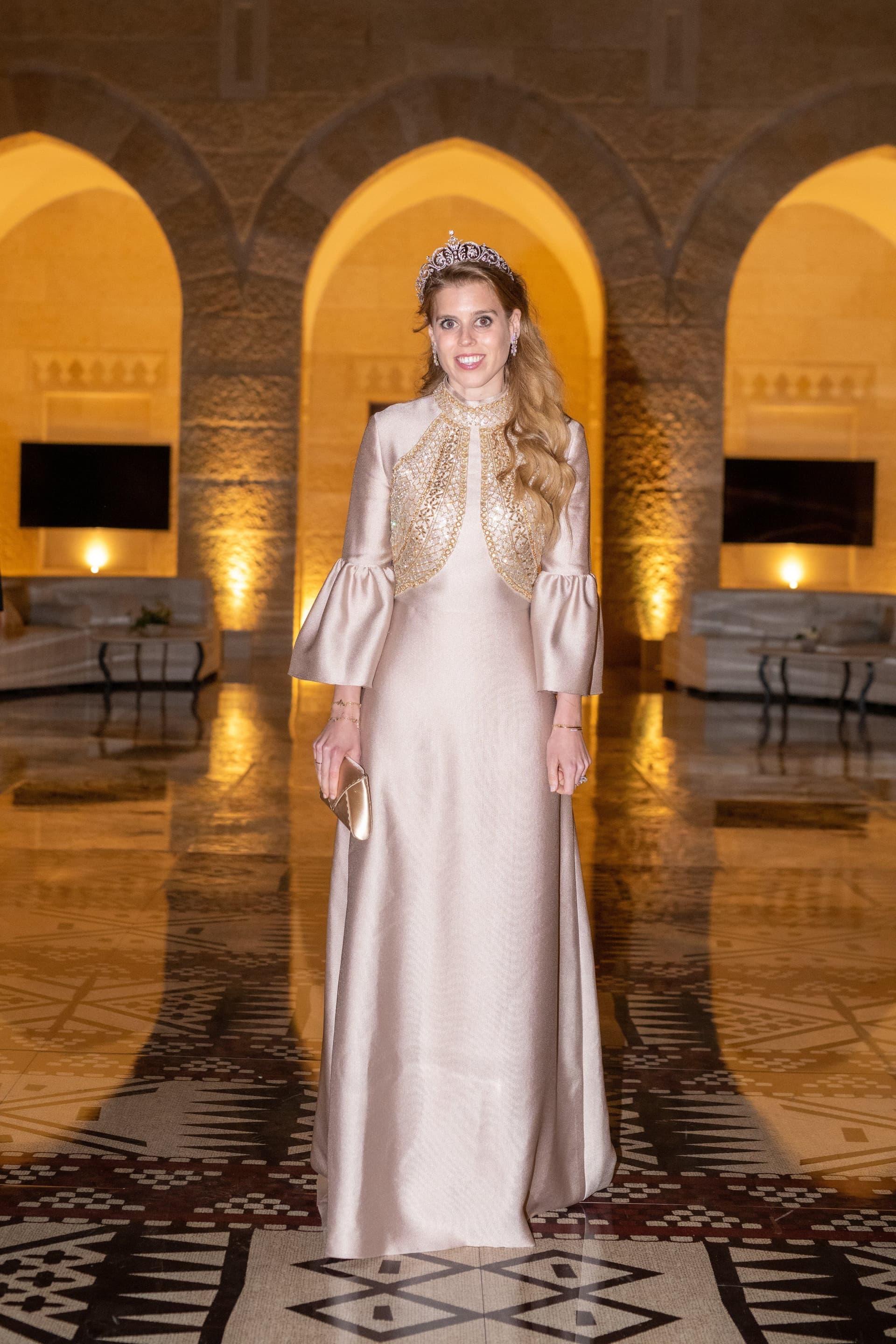
What makes petite clothing fit, and why Petite Studio stands out
Petite fit is a proportion game, not a hemming job. Petite Studio gets that right, and Quince makes the category feel attainable without cheapening it.

What actually makes petite clothing fit
Petite clothing works when the proportions are rebuilt, not just trimmed. The difference shows up in the rise, the sleeve scale, the armhole shape, and the way a leg or hem breaks on the body. Shorter hems alone can make a garment stop at the right spot and still look wrong, which is why petite shoppers know the pain of clothes that fit in theory and fail in motion.
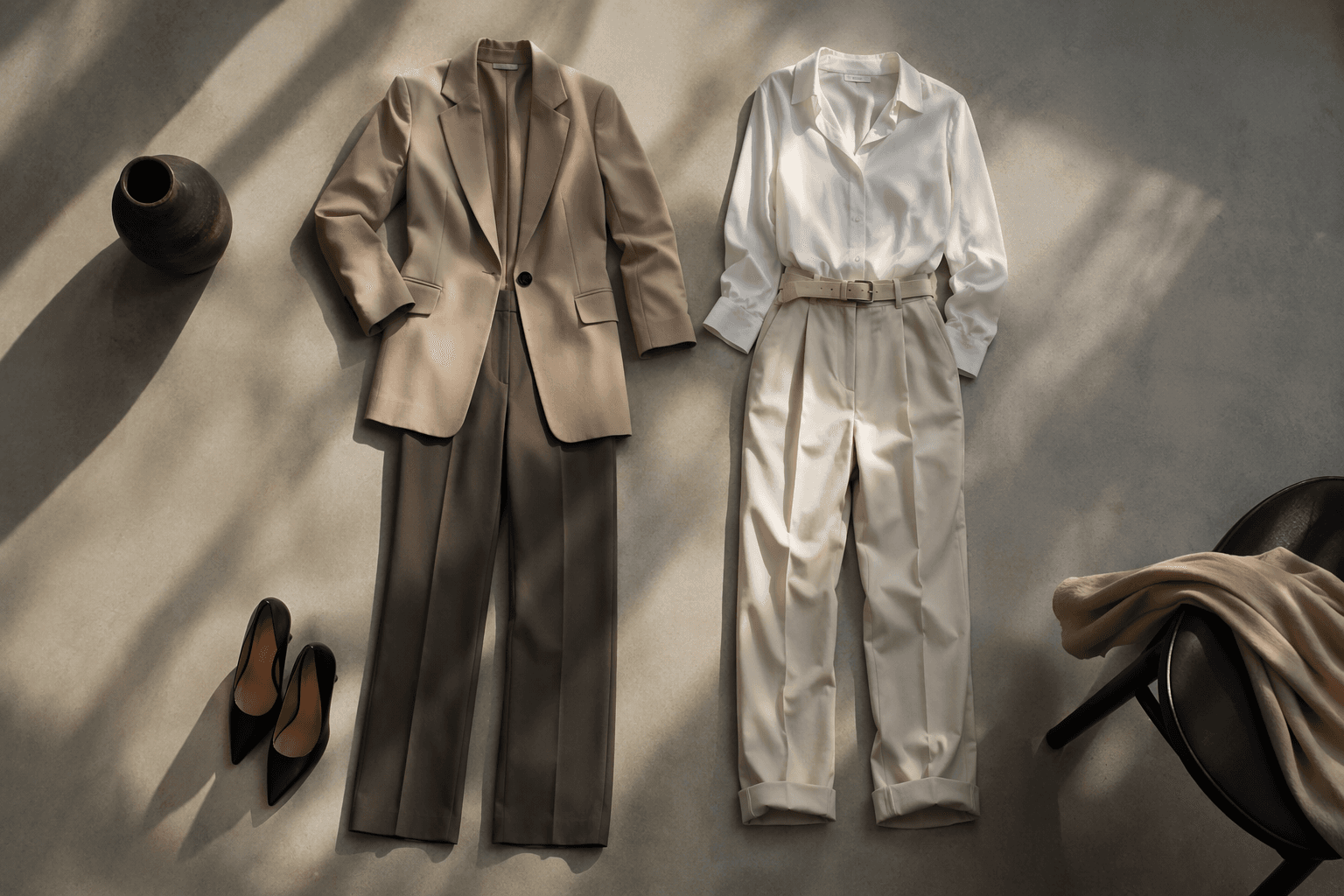
The real test is whether the garment respects the body from shoulder to ankle. A true petite blouse does not just lose inches at the cuff, it usually has scaled-down sleeves and higher, smaller armholes that keep the shape close to the body. A real petite pant does not simply get chopped at the ankle, it often needs a shorter rise and a cleaner inseam so the waist sits where it should and the leg falls without dragging.
The petite trick is not avoiding volume, it is controlling it
That is the whole point. Petite fit is not about making clothes tiny or stripping out every ounce of fabric. It is about controlling proportion so volume lands in the right places, whether that means a fuller sleeve that still stops correctly, a trouser leg that skims instead of swallows, or a dress that does not drown the torso.
- Rise: if it is too long, pants bunch and the waistline slides out of place.
- Sleeve scale: if the sleeve dominates the frame, the garment was not truly built for petite bodies.
- Armholes: higher, smaller armholes keep the garment close and clean through the shoulder.
- Inseam and knee break: the leg should fall in a way that makes the knee and hem feel intentional, not accidental.
If you want a quick shopping test, look past the label and check four things:
That is why petite clothing can look polished on one person and sloppy on another even when the measurements seem close. The best pieces solve the geometry, not just the length.
Why Petite Studio stands out
Petite Studio stands out because it does not treat petite sizing like an afterthought. Business Insider says the brand fits garments on real petite fit models instead of simply shortening standard clothes and relabeling them, and that difference matters. When a brand designs from start to finish for shorter frames, the waist placement, sleeve scale, and shoulder balance all have a better chance of landing correctly the first time.
That is what makes Petite Studio feel credible in a market full of lazy fixes. Too many brands still act like petite means cut a few inches off the hem and move on. Petite Studio’s approach is more disciplined, and you can see it in the way the clothes are meant to sit on the body instead of fighting it.
There is also a confidence to that method. Real petite fit models force the design team to confront how a jacket closes, where a dress nips in, and how a pant leg finishes when the wearer is not swimming in excess fabric. It sounds technical, but the result is simple: the clothes look designed, not resized.
Quince and the case for accessible petite options
Quince plays a different but important role. The brand has a dedicated petite-friendly section for women, and its pitch is blunt: its business model was designed to minimize waste and overheads in order to bring quality products at an accessible price point. That matters because petite shoppers are not only looking for better proportions, they are often looking for those proportions without luxury-brand markup.
The assortment is broad enough to feel like a real wardrobe, not a token edit. Quince’s petite-friendly offerings include bottoms, dresses and skirts, sweaters and tops, and outerwear. Product pages show prices such as $39.90 for some pants and $64 to $84 for some dresses, which puts the category in a more realistic lane than many fit-specialist labels.
The brand also backs that accessible framing with a 365-day return policy, which takes some of the anxiety out of buying online. Petite shopping is already a game of precision. A return window that generous makes it easier to test fit without feeling trapped by the first try.
Why petite sizing matters far beyond niche fashion
This is not a tiny corner of the market pretending to be one. Business Insider has long framed petite pants as a daily struggle because many standard pants are too long, especially for women under 5'5". That complaint has been repeated for years because it is not a trend problem, it is a structural one.
The height data makes the point even sharper. USA Today, citing CDC data, reported that the average adult woman’s height in the United States falls between 5-foot-1.3 and 5-foot-4.1. That is a huge range of shoppers who can benefit from proportion-adjusted clothing rather than generic standard sizing.
And the market incentive is obvious. Grand View Research put the global e-commerce apparel market at USD 553.1 billion in 2021 and projected it to reach USD 1,160.56 billion by 2030. When that much money is moving through online fashion, the brands that solve petite fit with real patternmaking, not gimmicks, are the ones building trust.
How to spot real petite design before you buy
The easiest way to shop smarter is to stop treating petite sizing like a hem-length setting and start reading it like architecture. The best petite pieces look balanced before you ever try them on. They hang with intention, the sleeves do not overpower the frame, and the waist hits where the body actually bends.
- Check the rise first.
- Look at sleeve length and sleeve volume together.
- Compare armhole placement to the shoulder line.
- Read inseam options carefully, especially on pants.
- Watch where the knee break lands in trousers.
- Look at dresses and skirts for waist placement, not just hem length.
Use this as your shopping filter:
That is the difference between clothing that merely fits on paper and clothing that changes how you move. Petite Studio understands that from the pattern up, and Quince proves that better petite options do not have to be priced like a punishment. In 2026, the brands worth caring about are the ones that treat proportion as design, not damage control.
This article was produced by Prism’s automated news system from verified source data, official records, and press releases, then run through automated quality and moderation checks before publishing. The system is built and supervised by the people who set the standards it runs under. Read our full AI policy.
Did this article answer your question?