When to Choose Petite vs Regular Clothing and What to Look For
Know when proportions matter: choose petite for tailored pieces and regular for roomy or intentionally cropped styles, measure, check inseams (25/26/28"), and shop petite sections first.
1. Know whether you’re “petite”, the cutoffs and what petite actually means
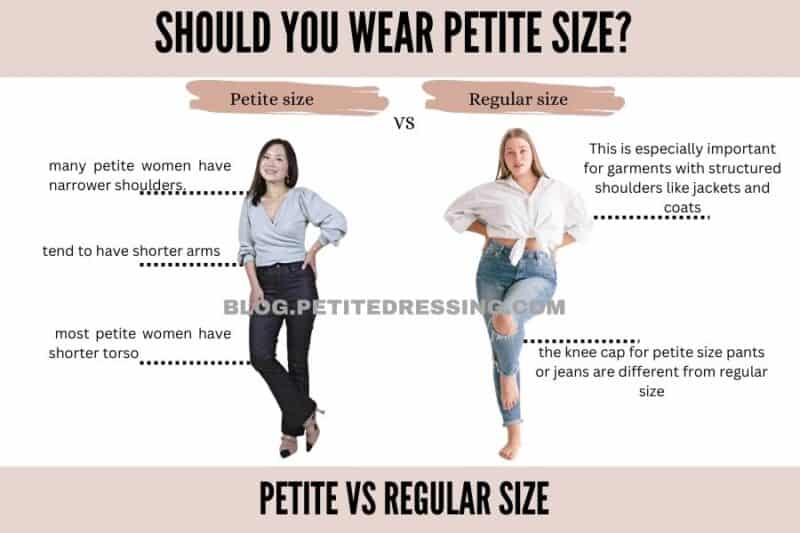
Petite isn’t a body‑size label, it’s about proportions: “Keep in mind, too that you can be any size and be petite, because petite isn't about your body size, but your body proportions.” As a rule of thumb, many guides use 5'4" and under as the petite cutoff, while some brands position themselves for slightly different heights, for example, Petite Femme designs for women under 5'5". Bottom line: use the height thresholds as guidelines, not strict laws, because fit comes down to torso length, sleeve length, and rise.
2. Measure, measure, measure, the practical first step
“To find the perfect fit, you’ll want to measure yourself and double-check the measurements listed on the items you’re browsing.” Take your bust, waist, hip, shoulder width, sleeve length and inseam, then compare those numbers to the item measurements on the product page. If anything reads ambiguous or the brand’s chart doesn’t resolve your questions, follow TheGoodTrade’s advice and reach out to customer service before checking out, it saves returns and the grief of surprise long sleeves.
3. Inseams and rises, the numeric benchmarks that actually help
Business Insider gives concrete starting points: “26 inches is the best inseam for petites, that said, this can depend a bit on your height and the style of the product you're buying.” If you’re 5'1" or under or buying ankle-length jeans, 25" may work better; if you’re near 5'4" or plan to wear heels, consider a 28" inseam. Also favor mid-rise as “the most universally flattering and versatile,” because it less frequently hits an awkward spot on a shorter torso, and if you do buy high or low rises, prioritize petite‑specific cuts, which adjust rise to match shorter torsos.
4. When to choose petite, the list of pieces that truly need it
Choose petite-labeled items when proportion is everything: structured garments, suiting, shirting, and dresses where torso and sleeve lengths matter. Shopellx explains that petite collections “adjust inseams, rises, sleeve lengths, shoulder widths, and proportions so everything sits exactly where it should,” which is why tailored blazers, fitted shirting, and sheath dresses benefit most from petite cuts. If the garment has darts, belts, or waist placements meant to hit a specific point, a petite version will preserve the designer’s intent.
5. When a regular size is fine, the pieces you can shop off the rack
You don’t need petite on everything. Business Insider calls out safe non-petite picks: “Cropped sweaters and jackets, ankle-length leggings and jeans, and ¾-length or 'bracelet' sleeves are usually a safe bet.” Looser, slouchy silhouettes and deliberately cropped hems read purposeful rather than ill-fitting on shorter frames, so you can get away with standard sizes for wide knits, boxy tees, and some casual outerwear, especially if you’re happy to style them cropped on purpose.
6. Tailoring: when it helps and when it can ruin the look
Alterations “can be expensive,” and hemming certain styles can actively “throw off the overall proportions.” Business Insider warns that taking up flared and boot-cut jeans, structured wide-leg trousers, dresses with belts or multiple ruffled tiers, and A-line dresses can misplace design lines, for example, the flare may no longer start at the right spot or a belted dress may no longer sit at your natural waist. Use a tailor selectively: shorten simple straight-leg hems and sleeves, but avoid heavy reworking on pieces where the silhouette depends on where seams and tiers land.
7. Shop the petite section first, a time‑saving habit
“If you want clothing that fits without tons of alterations, always check the petite section first. It’s one of the easiest ways to shop smarter, not harder.” Make the petite tab your starting point, many brands design petite collections to change inseams, sleeve lengths, rises and shoulder widths so garments sit where they should. This is practical, not precious: if the petite piece fits your measurements it usually means “no additional sewing or hemming needed!”

8. Treat inseam and rise choices like outfit planning
Think about footwear and intended styling before you buy. Business Insider’s inseam guidance (25", 26", 28") isn’t theoretical, it’s planning: choose 25" for very short or ankle-length plans, 26" as the general petite default, and 28" if you’re near 5'4" or want heel room. Pair those inseam choices with mid-rise pants for the least risk of awkward hits on a short torso, and remember a petite-specific high or low rise will be adjusted so the waist sits where it should.
9. Brand example: Petite Femme, what a petite-focused label looks like
Petite Femme is an Australian slow fashion brand “made for women under 5'5"” that focuses on essentials “carefully tailored for petite proportions, using high-quality natural fabrics.” TheGoodTrade lists Petite Femme’s petite sizing range as 0P–10P, price range $15–$506, and flags ethics attributes: woman-owned, plastic/PFAS free, transparent pricing, ethical manufacturing, and a capsule-friendly focus. If your goal is minimal alterations, brands like this that state “No additional sewing or hemming needed!” are worth trying first.
10. Budget and circular options: where to hunt petite bargains
Secondhand platforms can be gold for petite shoppers. TheGoodTrade’s “BONUS: ThredUP” flag highlights ThredUP as budget friendly, circular, second hand and a way to give back, all hooks that make it a practical stop when you want petite fits without paying new‑price markups. Don’t forget to check product measurements in resale listings just as you would on a new retail page; vintage and pre‑owned pieces often list inseams and rise, which is priceless for petites.
11. Build your evergreen petite wardrobe with diagnostics
TheEvergreenWardrobe encourages a diagnostics approach: “Determine Body Shape,” “Determine Facial Shape,” “Determine Lifestyle,” “Determine Care and Fabric Preferences,” “Determine Style Personality Words,” and “Determine Preferred Visual Aesthetics.” Use the concrete descriptors, coloring like “Soft + Cool,” a “Curvy + Balanced” body shape, or an “Hourglass silhouette”, to choose cuts, prints, necklines and fabric cares that actually match your life and feel. This is not fluff: knowing your rhythm (work, errands, exercise) and fabric tolerances prevents impulse buys you’ll never wear.
- Measure yourself and compare to item measurements, don’t trust size names alone.
- Check the petite section first, petite cuts adjust inseams, rises, sleeve lengths, and shoulder widths.
- If unsure, contact customer service before purchasing.
- Use inseam benchmarks: 25" for very short/ankle looks, 26" as the general petite sweet spot, 28" if you’re near 5'4" or plan to wear heels.
- Prefer a mid-rise for the most universally flattering fit.
- Avoid heavy hemming on flares, wide legs, tiered/ruffled or belted dresses, it can “throw off the overall proportions.”
- Try petite-first brands like Petite Femme (0P–10P; $15–$506) to minimize tailoring.
- Consider ThredUP for budget-friendly, circular options.
12. Quick practical checklist, the things you should do before hitting buy
13. The final cut, how to shop so your clothes feel made for you
Being petite is an advantage when you shop strategically: “Petite fashion isn’t about being small. It’s about being strategic, stylish, and smart about what works for your proportions.” Start with measurements, shop the petite section, use the inseam and rise numbers as your map, and don’t over‑commit to costly alterations on pieces that rely on specific design lines. Do that, and you’ll end up with clothes that sit where they should, flatter the silhouette, and actually make getting dressed feel effortless, which is the whole point.
This article was produced by Prism’s automated news system from verified source data, official records, and press releases, then run through automated quality and moderation checks before publishing. The system is built and supervised by the people who set the standards it runs under. Read our full AI policy.
Did this article answer your question?