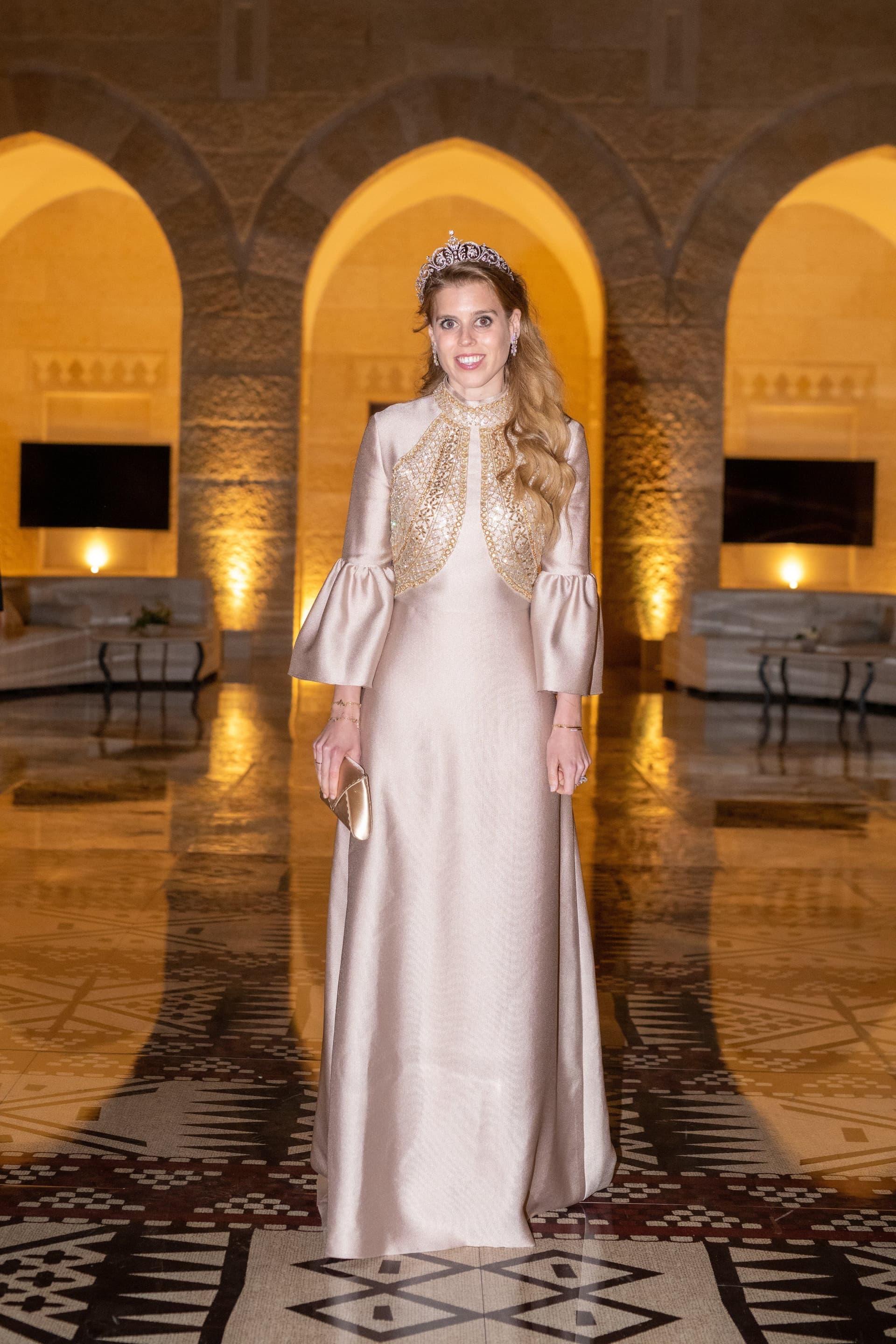
Why sheath dresses flatter petite frames, and how to wear them
Sheath dresses are the petite shortcut to a longer line: clean, waist-defined, and easier to buy than you think, with Macy’s listing 191 options.

Petite dressing is often sold as a problem to solve, but the sheath dress solves it quietly. Its biggest strength is the line it creates: slim, controlled, and vertical from shoulder to hem, with enough shape to define the body without drowning it. For women who are 5'4" and under, that kind of precision matters, because the wrong dress can turn into a fight with dragging hems, awkward straps, and a waist that sits in the wrong place.
Why the sheath works on shorter frames
The sheath is one of the few summer silhouettes petites can buy with real confidence because it respects proportion instead of fighting it. Fashion references define it as a fitted, straight-cut dress, often nipped at the waist and usually without a waist seam, which helps explain why it reads so streamlined. The style at a certain age calls it one of the most petite-friendly silhouettes out there, and that tracks: it skims the body instead of wrapping around it in extra volume.
That clean effect has history behind it. Sheath, pencil, and wiggle dresses were especially popular in the 1950s and 1960s, when fashion moved toward sleeker shapes after fuller postwar dressing. The Metropolitan Museum of Art places dress design inside a long arc of fashion history, with collections that span from the sixteenth century to today, and the sheath feels especially relevant in that context. It is not a trend piece pretending to be timeless; it is a silhouette that has already proved it can survive changing tastes.
The case for petites gets stronger when you look at the numbers. The Centers for Disease Control and Prevention says the average height of U.S. adult women is 63.5 inches, or about 5 feet 3.5 inches. In other words, proportion-aware dressing is not a niche concern. It is a mainstream one, which is why the right sheath can feel less like a special petite-only item and more like a dependable wardrobe tool.
The details that make it flattering
A good sheath works because every construction choice pulls in the same direction: longer, leaner, cleaner. The first thing to check is waist placement. A waist seam that sits too low can make the torso look shorter, while one that lands close to your natural waist creates the impression of lift. If the dress is cut with a subtle waist shape rather than a hard cinch, even better: it gives definition without chopping the body in half.
Hem length matters just as much. A petite-friendly sheath usually looks best when the hem finishes at or just above the knee, or at a point that keeps the leg line open. If the hem lands awkwardly mid-calf, the dress can suddenly feel heavier and more matronly, especially in a straight cut. The whole point is to keep the eye moving up and down, not to stop it dead.
Strap width is another detail people underestimate. Very skinny straps can look delicate on the hanger and brittle on a petite frame, while overly wide straps can overwhelm the shoulders and make the top half feel boxy. A balanced strap, one that visually supports the dress without taking over, tends to be the sweet spot. The same logic applies to fabric structure: a sheath needs enough body to hold its shape, but not so much stiffness that it stands away from you and adds width where you do not want it.
Buy before you try: the petite sheath checklist
Before you click add to cart or head into a fitting room, use this quick test:
- Look for a defined waistline or a seam that shapes the body without sitting too low.
- Check the hem against your height and leg line, aiming for a length that keeps the silhouette open.
- Make sure the straps are in proportion to your shoulders and bust, not paper-thin or overly broad.
- Favor fabrics with structure, like materials that hold a straight line, rather than limp knits that cling or boxy fabrics that float away from the body.
- Watch the shoulder fit closely. If the neckline is right but the shoulders are wide, the whole dress will look borrowed.
- If the dress needs hemming, shortening should be simple and not alter the line of the skirt.
This is where petite shopping advice has become much more useful. Current coverage aimed at women 5'4" and under keeps returning to the same point: fit, tailoring, and alterations matter more than the number on the size tag. Experts consistently point to defined waistlines and intentional tailoring as the most flattering choices, which is exactly why the sheath keeps showing up as a strong option.
How to wear it in real life
For the office, a sheath is the shortcut to looking polished without looking overdone. Choose one in a fabric with enough structure to stay crisp through the day, then add low-profile shoes and a compact layer on top. The silhouette already does the work, so you do not need extra volume elsewhere. Keep the rest of the outfit clean and let the dress do what it is best at: sharpening your shape.
For a summer event, the sheath offers a better balance than something swishy and oversized. It gives you formality without excess fabric, which can be a relief when the temperature climbs. The best versions feel tailored but not severe, with enough ease through the body to move comfortably while still reading polished enough for dinners, weddings, and warm-weather evenings out.
For everyday wear, think of it as the dress that makes getting dressed feel finished. A simple sheath can be worn with flat sandals, easy jewelry, and a lightweight bag, and it will still look intentional. That is the real appeal for petites: the dress creates the proportion for you, so you spend less time correcting hems, sleeves, and silhouettes that fight your frame.
What to skip
Skip sheath dresses that are too long, too rigid, or too loose in the wrong places. If the dress has a waist seam that drops low on the torso, a hem that cuts the calf, or a fabric that feels boxy instead of fluid, it will work against the very line you want. Petites do not need more drama in the silhouette; they need clarity. That is why the best sheath dress feels almost architectural, precise enough to flatter, simple enough to wear often, and strong enough to make petite dressing look effortless.
This article was produced by Prism’s automated news system from verified source data, official records, and press releases, then run through automated quality and moderation checks before publishing. The system is built and supervised by the people who set the standards it runs under. Read our full AI policy.
Did this article answer your question?