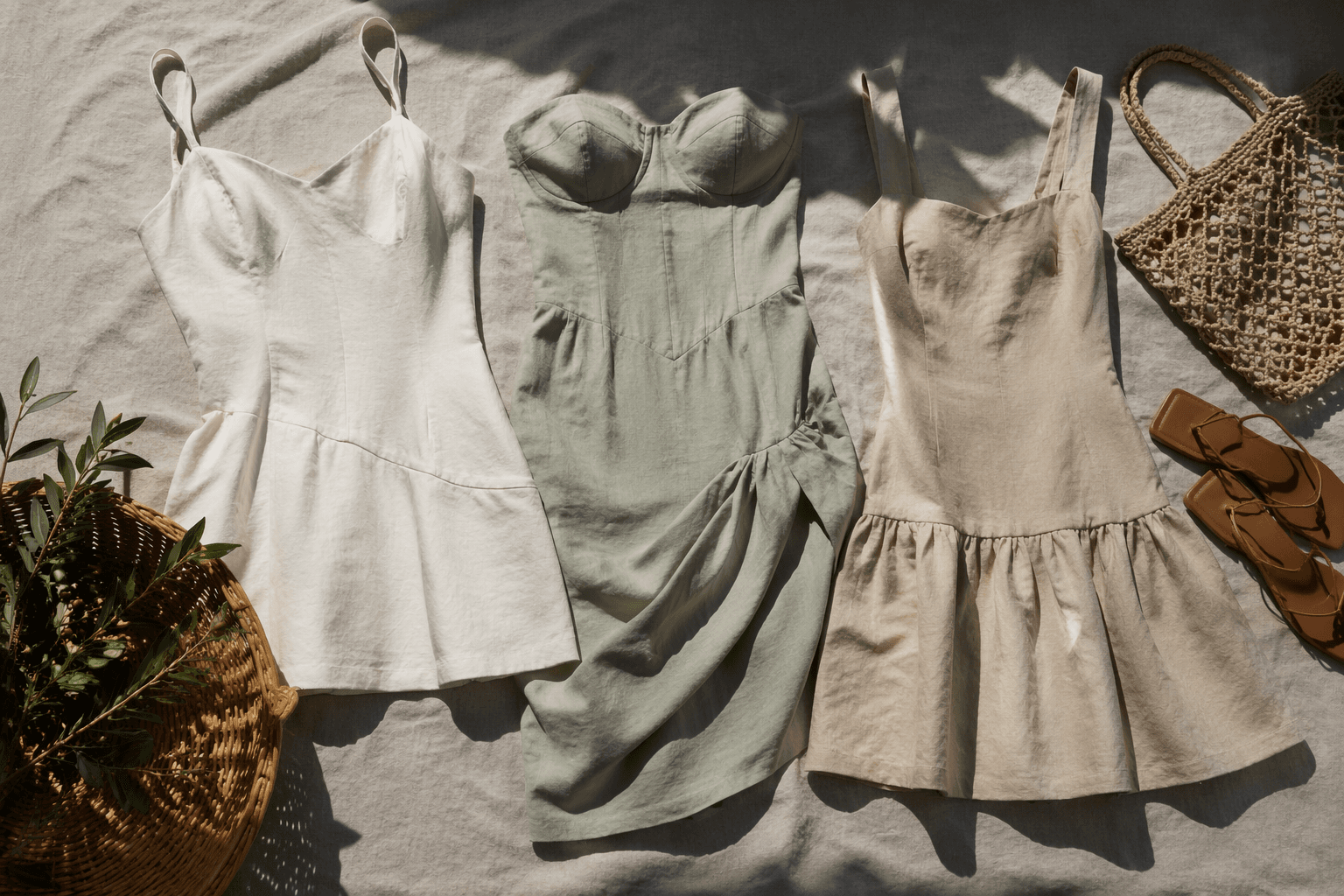
Why sustainable fashion still overlooks petite shoppers, and the brands fixing it
Petite shoppers have been priced into tailoring for too long. These sustainable labels change the hem, the rise, and the proportions so the clothes fit first.
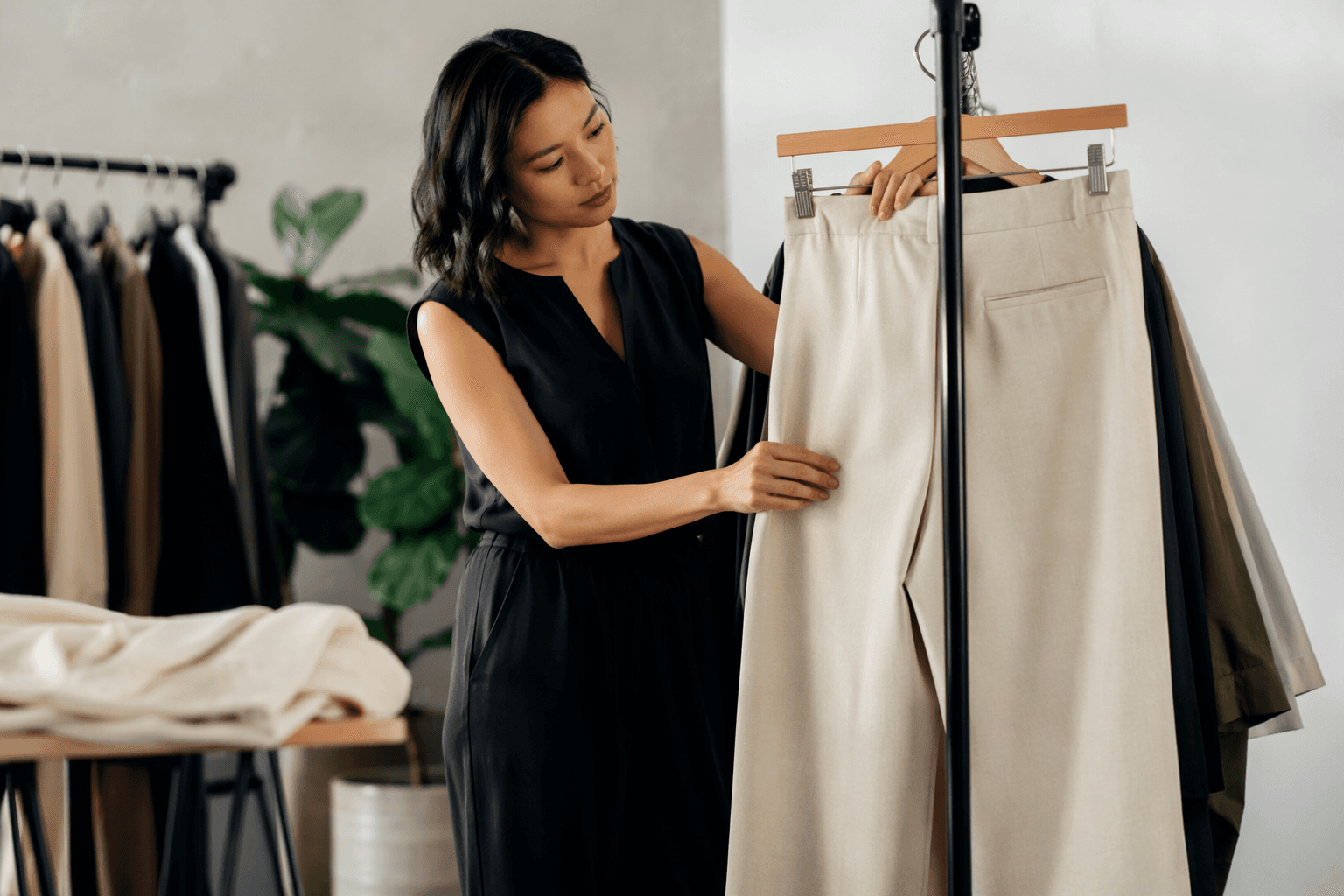
The petite gap is bigger than a hem
Petite shoppers have been asked to make do for years: buy the ethical dress, then pay to have it shortened; choose the conscious trouser, then watch the leg collapse at the ankle. In sustainable fashion, that is more than an inconvenience. It turns a supposedly better purchase into a compromise, because organic fabric and slower production mean little if the shoulder sits wrong or the inseam pools on the floor.
The real problem is proportion. Most retailers still design for women around 5'7", even though the commonly cited average height for American women is 5 feet 3.5 inches, based on CDC and National Center for Health Statistics body-measurement data. In other words, petite is not a niche request. It is a mainstream fit category that too many labels have treated like an afterthought.
What petite actually needs
Petite sizing is not just smaller sizing. Apparel research has long defined it as clothing for women roughly 5'4" and under, with shorter pant lengths, adjusted jacket dimensions, and proportionally different rises and sleeve lengths. That is why a true petite garment feels balanced rather than simply shrunken. The waist sits where it should, the hem lands cleanly, and the body of the piece is scaled to a shorter frame instead of just compressed.
The distinction matters financially as well as aesthetically. U.S. households spent an average of $655 on women’s apparel in 2023, and that figure rises fast once tailoring enters the picture. A simple hem or sleeve adjustment can add another bill to the purchase price, which is exactly why petite-specific design has become so appealing to shoppers who want to avoid paying twice for one garment.
Why sustainable fashion is finally catching up
The good news is that the petite market is not new, even if it has been underserved. Apparel-industry research had already put the petite clothing market at more than $10 billion by 2006, and today the category is drawing more competition as brands realize smaller frames are shopping intentionally and expecting better. The most useful sustainable labels are not just making clothes smaller. They are changing the architecture of the garment.
Good On You points to three solutions that actually work: shorter inseams, petite proportions, and made-to-measure options. That is the difference between an item that merely fits in the dressing room and one that works in real life. A shorter inseam solves the drag, petite proportions fix the balance, and made-to-measure can bring both together when standard sizing still misses the mark.
The brands doing the most useful work
EILEEN FISHER is one of the clearest examples of how sustainable fashion can serve petite shoppers without flattening style. The brand says its petite selection is designed for frames 5'4" and under, and it also notes that its full size range runs from XXS to 3X, which makes it rare in the ethical space for offering both proportional tailoring and true size breadth. On one product page, the Organic Cotton Pucker Lantern Pant shows the idea in action: a 27-inch inseam in regular small versus a 25-inch inseam in petite small.
That two-inch difference is not trivial. It changes where the fabric breaks, how the leg line reads, and whether the silhouette feels crisp or sloppy. EILEEN FISHER’s petite clothing is made with proportion and balance in mind, and the brand’s use of organic and natural fibers means the sustainability story is tied to the fit story rather than standing apart from it.
Petite Studio takes a different route. Its appeal is not broad size-range reach, but focus. The label makes limited-run apparel under slow-fashion principles specifically for petites, which gives shorter shoppers a cleaner starting point than standard fashion ever does. For readers who want smaller-scale production and a design language built around petite proportions, that combination is hard to beat.
Mother Denim has also made the petite customer more visible, with a petite collection reportedly running from waist sizes 23 to 34. That matters because many petite shoppers do not need smaller waists so much as shorter legs and better rise placement. When a brand extends the waist range while refining the length, it acknowledges a truth the industry often ignores: height and body volume are not the same thing.
Recent petite coverage also keeps returning to Christy Dawn, Reformation, Mara Hoffman, Girlfriend Collective, and Seams Friendly. These names matter because they show the category is widening beyond a single niche brand or one aesthetic. The important question with each label is not simply whether it offers a petite section, but what it changes for a shorter frame: the inseam, the shoulder width, the sleeve length, the rise, or the overall proportion of the garment.
How to shop the category with a sharper eye
The smartest petite purchase is the one that solves the fit problem before you get to alterations. Look first for shorter inseams, then for language about petite proportions or made-to-measure options. If a brand only offers a smaller size but keeps the same leg length and torso balance, it is not really solving the petite problem.
A few practical tells separate real solutions from marketing gloss:
- If the brand gives inseam measurements, compare them to your best-fitting pants.
- If it names petite sizing explicitly, check whether the cut changes beyond length.
- If it offers a broad size range, see whether petites are available across that range, not just at the smallest end.
- If the label is slow-fashion or limited-run, ask whether the smaller frame is built into the pattern or added as a later size adjustment.
That is why the petite trick is not avoiding volume, it is controlling it. A wide leg can still work on a shorter body if the rise is right and the hem is honest. A tailored jacket can still feel modern if the sleeves stop where the wrist begins, not where the hand disappears. Sustainability and fit can coexist, but only when brands stop treating petite as a shrink-it-down problem and start designing for proportion from the first sketch.
The best petite sustainable fashion does exactly that. It saves you the tailoring bill, respects the body in front of the mirror, and proves that better clothes should fit better too.
This article was produced by Prism’s automated news system from verified source data, official records, and press releases, then run through automated quality and moderation checks before publishing. The system is built and supervised by the people who set the standards it runs under. Read our full AI policy.
Did this article answer your question?