30 Streetwear Brands Defining the Culture, from Stüssy to Corteiz
Streetwear’s real power still belongs to labels with roots, not just reach, and this map separates the scene-builders from the algorithm-chasers.
1. Stüssy
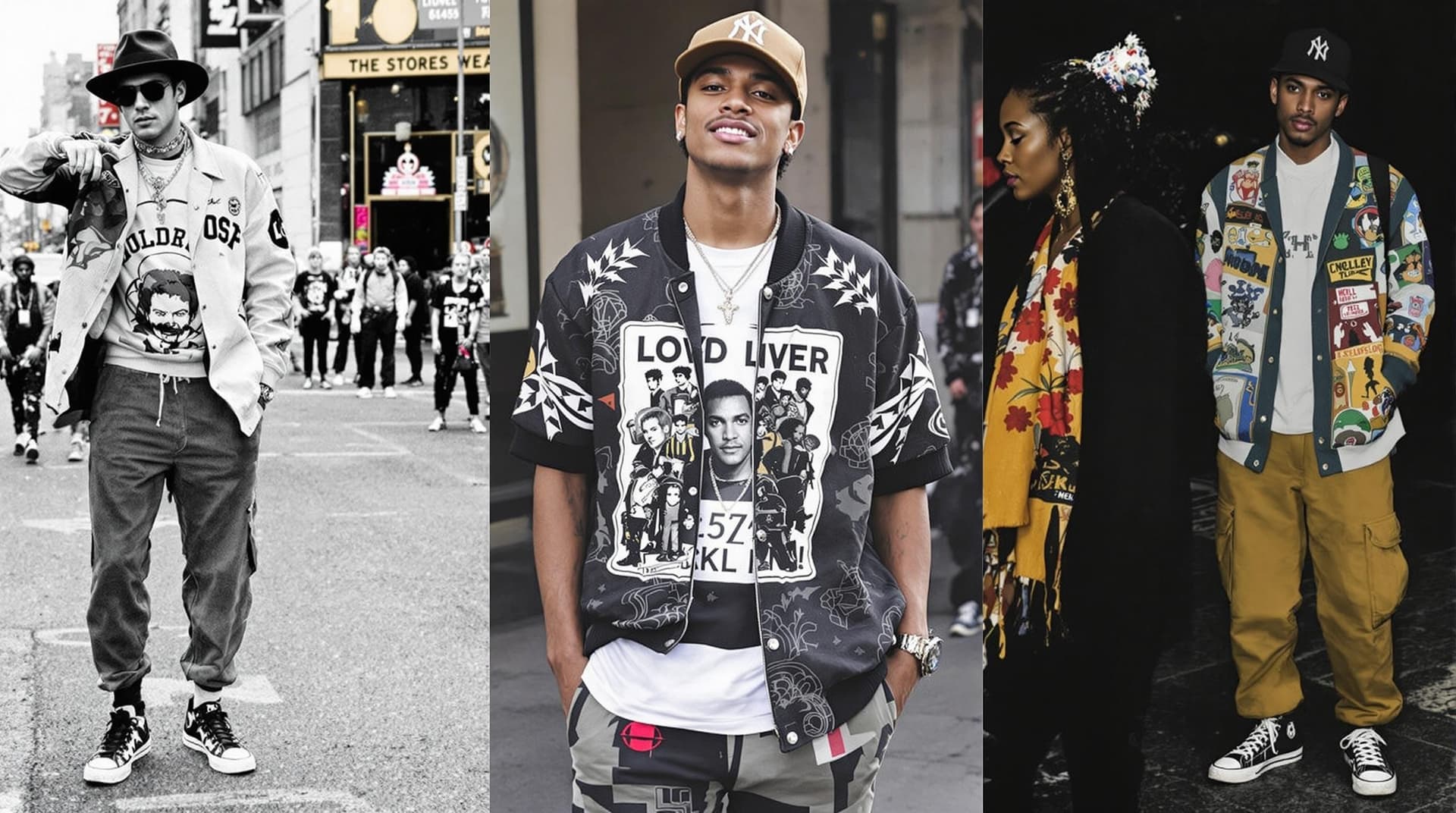
Shawn Stüssy turned a surfboard signature into a cultural shorthand, and that is still the cleanest streetwear idea on the board: personal mark first, product second. From Laguna Beach to the World Tour tee, the brand translated local ease into a global language, and the fact that it still reads fresh says everything about its authority.
2. Fuct
Fuct is the anti-polish counterweight in the lineage, founded in Los Angeles in 1990 by Erik Brunetti and Natas Kaupas. Its edge came from subversion, skate roots and a refusal to behave, and the Supreme Court trademark fight only made the brand feel more like a manifesto than a logo.
3. Supreme
Supreme remains the master class in controlled scarcity, turning weekly drops and a red box logo into a market language everyone else had to learn. Born in New York in 1994, it helped define the rhythm of modern streetwear before the term itself really settled into place.
4. BAPE
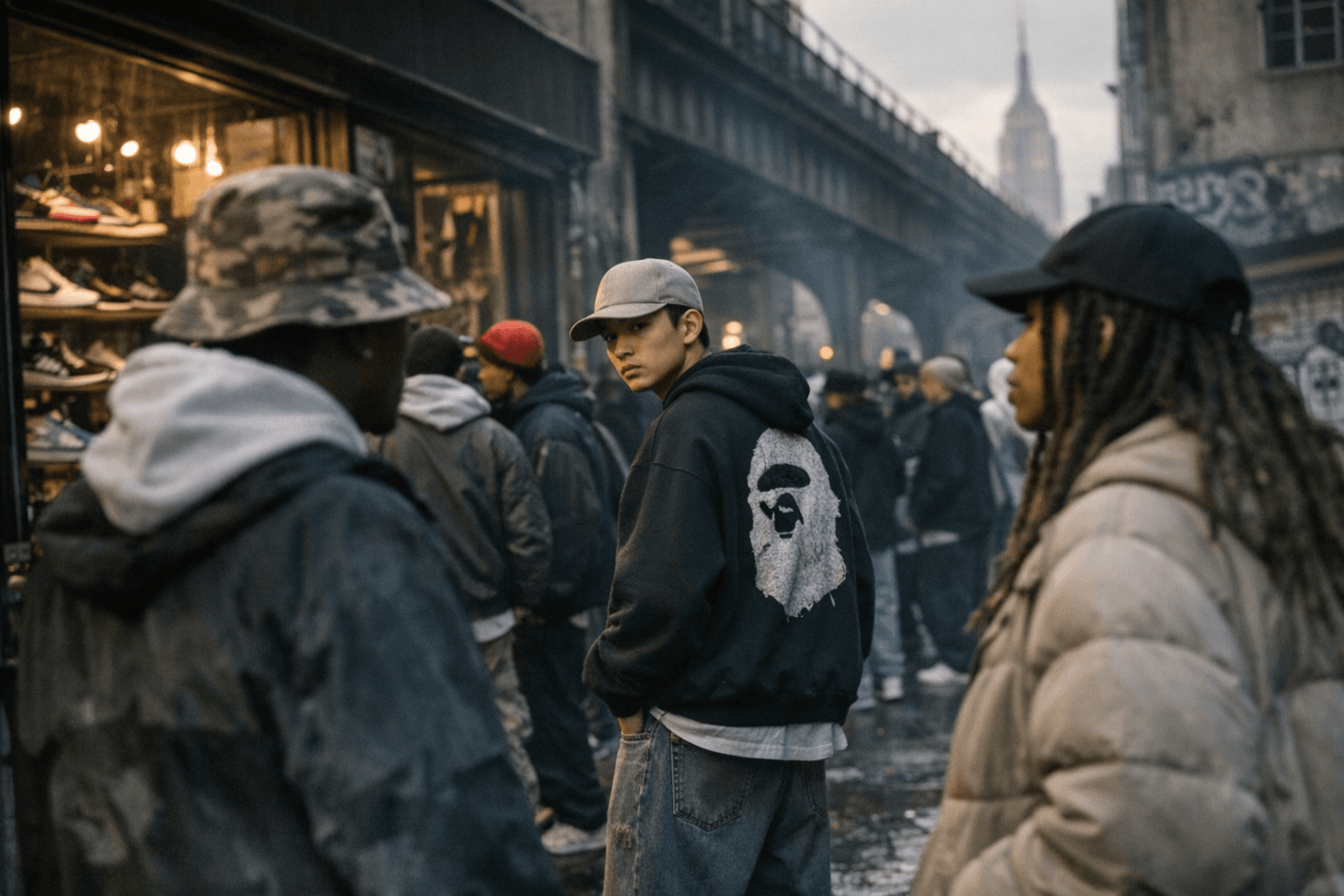
BAPE is still one of the loudest visual signatures in the category, the label that made camo feel playful and collectible instead of tactical. Its place on any serious streetwear map is secure because it taught a generation that graphics could function like currency.
5. Off-White
Off-White brought streetwear into the luxury conversation without sanding off its attitude, using quotation marks, industrial details and sharp graphics as a new design code. Virgil Abloh made the label feel like a runway object with a downtown heartbeat.
6. Kith
Kith sits in the polished middle ground, where sneaker culture, retail discipline and clean wardrobe basics meet. Its staying power comes from making streetwear feel lived-in and considered, not just loud.
7. Palace
Palace keeps skate credibility at the center, which is why it never feels like a brand borrowing from the board scene from a safe distance. The humor is part of the charm, but the London-first attitude is what makes it stick.
8. Fear of God
Fear of God turned oversized proportions and quiet luxury fabrics into a modern uniform, one that feels as much about drape as it does about status. In a market full of noise, Jerry Lorenzo’s restraint reads as conviction.
9. Carhartt WIP
Carhartt WIP gives workwear a second life on the street, with tough canvas, practical pockets and silhouettes that look better the more they are worn. It earns its credibility because the utility was there long before the styling.
10. Aimé Leon Dore
Aimé Leon Dore is streetwear with a softer shoulder, folding 90s New York nostalgia into rugby knits, polished sweats and tailored ease. It proves that scene credibility can be quiet when the fabrics and proportions are exact.
11. Noah
Noah occupies the rare lane where skate attitude and sharper menswear instincts can coexist without tension. The result is a brand that feels conscious, cultured and a little harder to fake than the average logo-heavy label.
12. Brain Dead
Brain Dead is the art-school anarchist of the group, built on warped graphics, collage energy and a taste for the strange. It stays relevant because it treats streetwear as visual experimentation, not a fixed formula.
13. WTAPS
WTAPS is all about precision, military references and a disciplined silhouette language that rewards close looking. Its strength is that it never chases the obvious version of hype, which is exactly why the brand still feels serious.
14. Dime
Dime keeps skatewear honest, with relaxed fits and graphics that feel witty rather than overworked. It belongs on this list because it understands that culture is lived in, not just posted.
15. Fucking Awesome
Fucking Awesome brings the punk voltage, making skate graphics feel unruly in the best way. It endures because it sounds like a crew, not a committee.
16. Heron Preston
Heron Preston sits between utility, street code and fashion polish, which is why it helped stretch streetwear’s vocabulary toward the runway. The label’s appeal is in how it balances workwear energy with a sharper editorial finish.
17. Human Made
Human Made is NIGO’s love letter to vintage Americana, filtered through collector-level obsession and crisp execution. Its best pieces feel like archival finds that have been freshly pressed.
18. Neighborhood
Neighborhood brings biker menace, dense graphic treatment and Japanese precision into one sharp package. It has survived because it knows how to stay itself, even while streetwear around it keeps mutating.
19. Patta
Patta has the kind of local authority that cannot be manufactured after the fact. Amsterdam gave it a scene, and the brand returned the favor by turning that credibility into global pull.
20. Rhude
Rhude blends West Coast ease with a more elevated finish, which is why it works as both streetwear and a luxury-adjacent wardrobe move. Its oversized shapes and slicker detailing keep it in the conversation without flattening the attitude.
21. Kapital
Kapital is for people who read distressing, patchwork and denim construction as craft, not decoration. Its eccentricity is the point, and that keeps it from looking like algorithmic sameness.
22. Corteiz
Corteiz is the clearest proof that local scene credibility can still become global force. Founded in London in 2017 by Clint 419, it built its world around rebellion, limited releases and the Alcatraz logo, then let the community carry the myth.
23. Broken Planet
Broken Planet speaks fluent drop culture, with oversized fits, monthly releases and a sustainability pitch built into the brand’s identity. It has momentum, but the deeper test is whether the community stays once the feed moves on.
24. ERL
ERL brings a Venice Beach weirdness to streetwear, with sun-faded color, relaxed proportions and a slightly surreal sense of ease. It feels less like a uniform and more like a personal weather system.
25. Anti Social Social Club
Anti Social Social Club is a reminder that meme-era hype can harden into an identity if the language is sticky enough. Its appeal has always been attitude first, product second, which is both its strength and its trap.
26. Cactus Plant Flea Market
Cactus Plant Flea Market survives by keeping the graphics unpredictable and the mood slightly off-kilter. The smiley faces, warped lettering and playful disorder make it feel like streetwear with a pulse.
27. Awake NY
Awake NY is city identity made wearable, rooted in the diversity and texture of New York rather than one narrow subculture. That broader, more inclusive read is why it feels both classic and current.
28. Denim Tears
Denim Tears raises the stakes by using clothing to speak about the African Diaspora, not just style. Tremaine Emory’s brand has the narrative weight that makes streetwear feel culturally literate, not just commercially fluent.
29. Paly Hollywood
Paly Hollywood is one of the newer names pushing a bolder, more graphic version of streetwear into the spotlight. Its significance lies in the question it poses: can a new label build real meaning before the algorithm burns through the novelty?
30. Golf Wang
Golf Wang keeps Tyler, The Creator’s color-saturated irreverence at the center, turning streetwear into something playful, personal and intentionally unbothered. In a market where authenticity still separates the anchors from the imitators, that confidence is its own kind of authority.
This article was produced by Prism’s automated news system from verified source data, official records, and press releases, then run through automated quality and moderation checks before publishing. The system is built and supervised by the people who set the standards it runs under. Read our full AI policy.
Did this article answer your question?