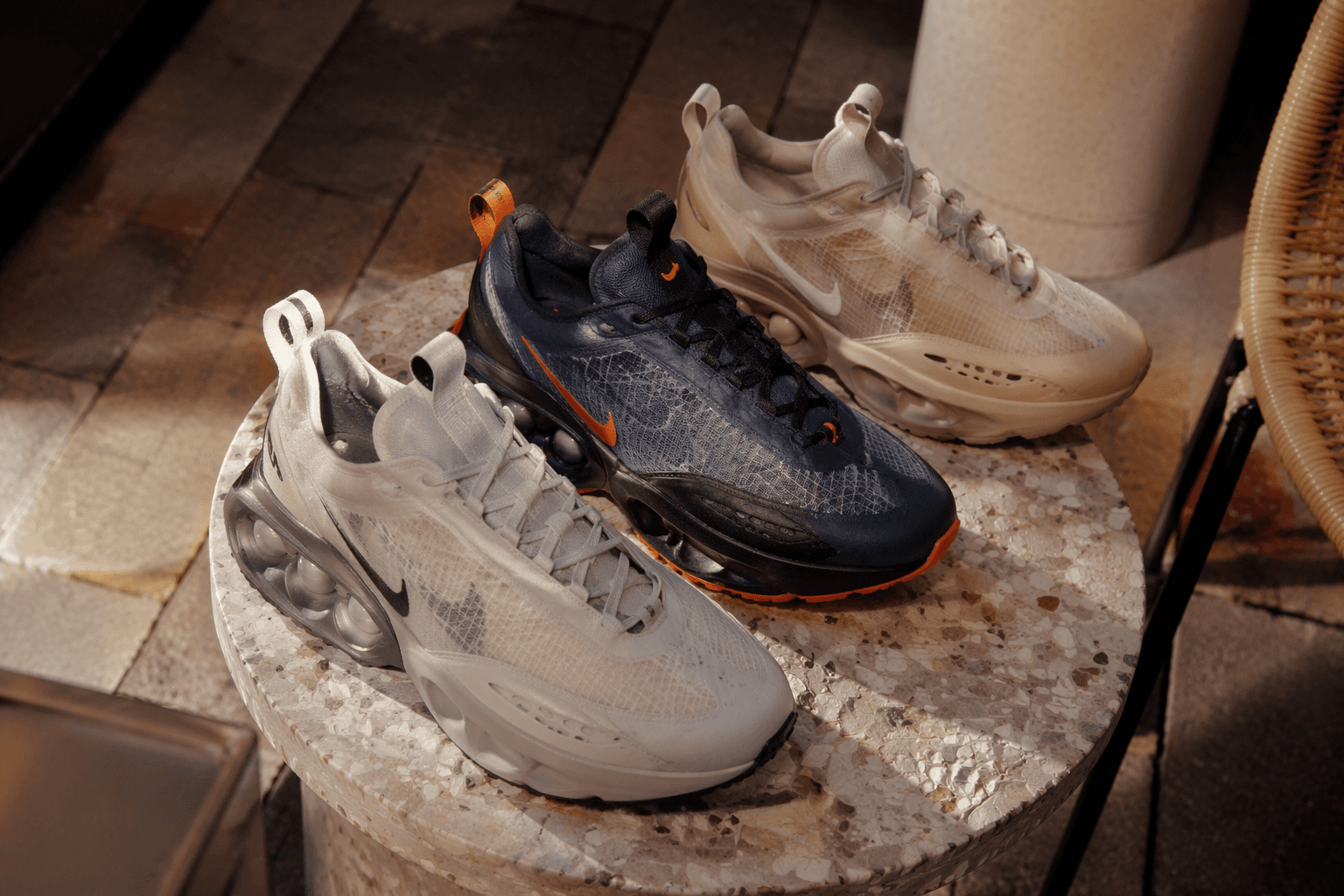
Carhartt WIP leans into fake wear for Spring 2026 workwear revival
Carhartt WIP turned thrift-store patina into a retail finish, with washed hoodies, paint-speckled canvas, and denim that looks already hunted. The question is whether that saves time or flattens the thrill.

Carhartt WIP has made the vintage chase feel strangely unnecessary. Its Spring/Summer 2026 range leans hard into fake wear, with washed-out hoodies, paint-splattered layers and denim that looks convincingly pulled from a perfect secondhand rack, only cleaner and easier to buy.
The brand’s own lookbook frames the collection around color, texture and print, with new camouflage motifs and aggressive wash treatments doing most of the visual work. In the shop, the language gets even more specific: grind wash, stone washed, burst washed, stone canvas, heavy stone wash, heavy worn bleached and light true washed. That is not subtle branding. It is a full vocabulary for manufactured age, and it tells you exactly where the market is headed: toward clothes that arrive with the story already baked in.
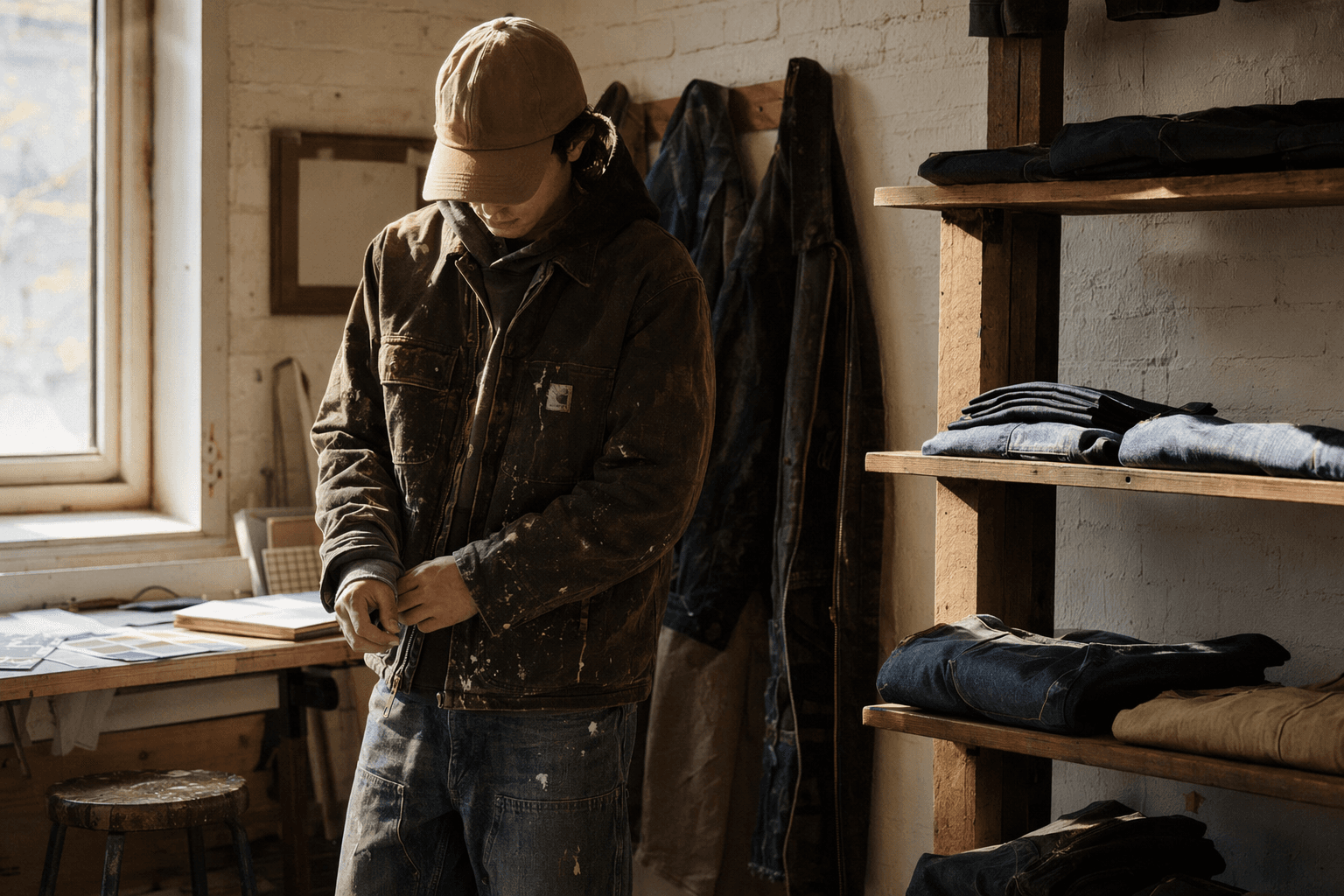
The strongest pieces still feel grounded in utility. The OG Double Knee Pant, Detroit Jacket, OG Active Jacket, Michigan Coat and Single Knee Pant stay close to the workwear core that made Carhartt WIP matter in the first place, while newer additions like the Prescott Coat and Belmar Jacket give the lineup a fresher silhouette. The trick is that the best pre-aged workwear still carries structure. Good fake wear should read like abrasion, not costume. It should keep the canvas weight, the denim grain and the pocket placement intact, then soften the surface just enough to suggest years of use. When distressing turns chalky, random or over-bleached at the seams, the illusion breaks.

That illusion matters because Carhartt has spent more than a century building the kind of authenticity this trend now tries to copy. Hamilton Carhartt launched the brand in Dearborn, Michigan in 1889 with durable garments for railroad workers and the promise of “honest value for an honest dollar.” The first product was the bib overall, made by five employees on two sewing machines. The Chore Coat arrived in 1917, outerwear followed with the Super Dux and Super Fab hunting lines in 1930, and the label later moved from job site to street culture through hip-hop, skate scenes and films like La Haine. Carhartt WIP, established in 1994 by Edwin Faeh, has always lived at the intersection of those histories. Spring 2026 simply makes the formula explicit: if vintage already set the look, the brand can now sell it back with the fade included.
This article was produced by Prism’s automated news system from verified source data, official records, and press releases, then run through automated quality and moderation checks before publishing. The system is built and supervised by the people who set the standards it runs under. Read our full AI policy.
Did this article answer your question?