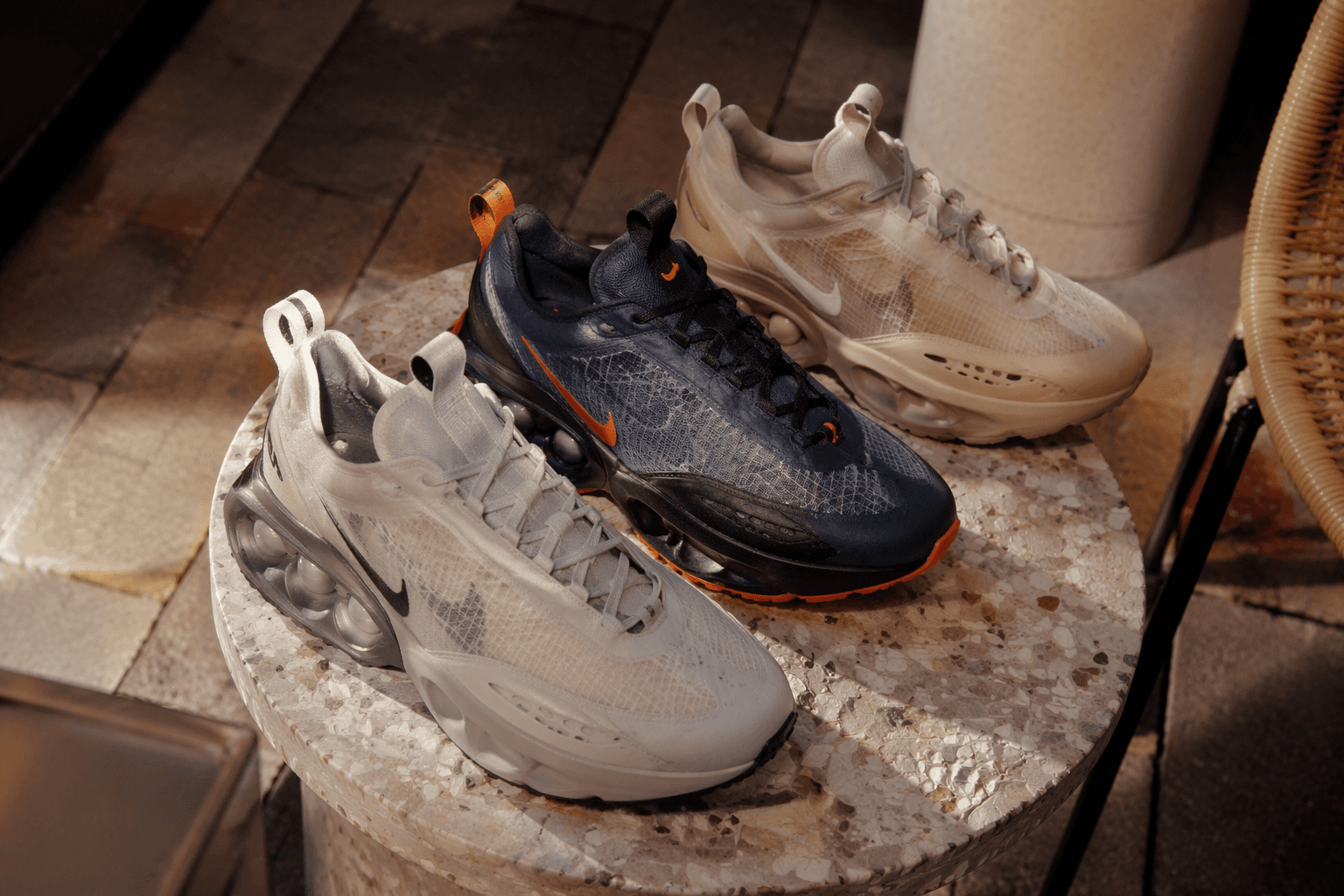
Checklist to Confirm Collab License and Decide to Wear or Resell
Confirm the collab license first, then weigh edition size, authorized sellers and resale comps, buy to wear if it fits your style, flip only when license, scarcity and market math line up.
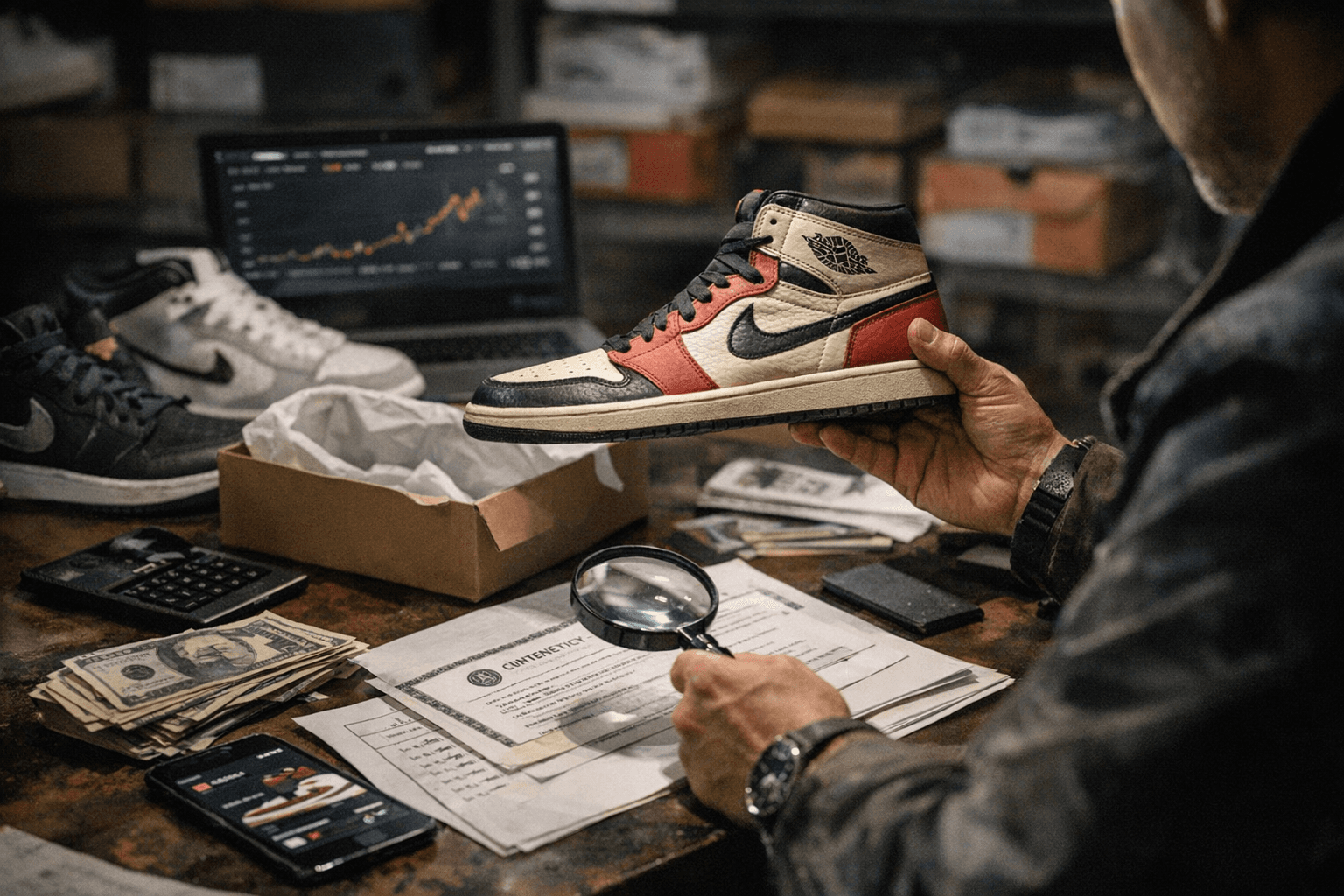
Use this checklist whenever a hyped collaboration or limited sneaker/apparel drop appears, it helps decide whether to buy for wear or collect/resell. Follow each step in order: verification first, value assessment second, execution last.
1. Collab pedigree & proof of license
Start by confirming both sides of the partnership: the collaborating brand and the intellectual‑property owner. A true collab names the brand and the IP owner explicitly (brand + IP owner), and the announcement will show logos, clear co‑branding and often a licensing credit; if that information is missing or vague, treat the drop as higher risk. Never assume a co‑branded silhouette is licensed just because the visual motif matches, insist on an explicit ownership credit or licensing line before you commit money.
2. Official announcement, release details and buying points
Get the release date, MSRP and where to buy from the verified channels named in the announcement; these facts determine scarcity windows and where to authenticate stock. If the official channels list a single retailer or a short online raffle window, that matters for collector strategy and resale timing. Treat any listing without a firm release date, price or authorized retailer as an early‑alert flag: wait for confirmation before staking cash.
3. Check for licensing documentation and public acknowledgements
Beyond logos, look for contract signals: statements from the IP owner, permission language in brand press materials, or licensing credits on product pages, these are the proof points that a collab is legitimate. Some IP owners will announce partnerships directly; if the IP owner is silent and only the street label is talking, that warrants a closer look. For limited sneaker and apparel drops, a lack of licensing detail increases the chance of disputes or later takedowns that wipe out resale value.
4. Confirm authorized retailers and distribution map
Map out who is authorized to sell the drop, brand flagship stores, the IP owner’s official channel, specific boutiques and select department stores. If the release is supposed to be global but you only see stock in unexpected marketplaces, that mismatch is a reliability red flag. The fewer the authorized points of sale, the clearer the production footprint; more retail partners usually means broader supply and softer resale potential.
5. SKU, style code and product details: read the small print
Cross‑check SKU numbers, style codes, and product specs across the brand site, retailer pages and product images; matching codes are a baseline for authentication. Look for material callouts, construction notes and colorway names, these details anchor comparisons to past drops and make it easy to spot counterfeit listings. A collab that lists premium materials (e.g., a named cashmere blend or vegan leather process) should show those specs consistently; inconsistencies equal risk.
6. Edition size and production numbers
Never ignore edition size: an explicit production number or “limited to X pairs/pieces” drives collectibility and resale trajectories. If the brand is noncommittal, “small batch” or “limited” without numbers, treat scarcity as unquantified and plan for wear over speculation. Use edition size together with authorized retailer count to estimate how many pieces will actually touch the secondary market.
7. Price, fees and the resale math
Record the MSRP and then build a quick cost model including taxes, shipping, marketplace fees and potential authentication charges, these can erase thin profit margins. For a limited drop, seller commissions and platform fees often add 15–25% to the base cost; factor in local sales tax and cross‑border VAT if you plan to resell internationally. If the expected resale premium after fees is small, choosing to wear the piece is often the smarter, more stylish outcome.
8. Authentication features and packaging
Inspect the product-level authenticity cues: hangtags, branded dust bags, holograms, certificate cards and unique serials are common markers for licensed collaborations. Packaging is part of the story, heavy‑weight boxes, printed inner sleeves, and branded tissue signal intentional production and make storage for collectors easier. If packaging is absent or generic, the piece may carry elevated counterfeiting risk and lower long‑term value.
9. Wearability assessment: fabric, fit and styling life
Decide early whether you’ll actually wear the piece. Test comfort, drape and construction; a collab that looks great in photos but uses stiff, uncomfortable fabrics is a hard sell to your wardrobe. Consider silhouette and texture, does the jacket layer over your existing coats? Do the sneakers use break‑inable cushioning or delicate materials that limit daily wear? If the item sings on its own and integrates into three different outfits, you’ve justified buying to wear.
10. Secondary‑market due diligence: comps, velocity, and platform fit
Before buying to resell, survey completed sales on the platforms you’d use, look at final sale prices, time‑on‑market and return rates for similarly hyped collabs. Track velocity: sells within days suggest active demand; lots that linger indicate lukewarm appetite. Match the piece to the right marketplace, sneakers and streetwear often perform differently on specialist platforms versus broad marketplaces, so shortlist where comparable comps performed best.
11. Legal and takedown risk
Assess whether any part of the collaboration could later trigger IP disputes or marketplace takedowns: ambiguous licensing, unauthorized use of logos, or contested artwork increases legal exposure. If the IP owner is publicly aligned with the brand and the collaboration has visible licensing credits, legal risk drops significantly. When in doubt, lean toward wearing and enjoying the piece rather than betting on a volatile legal outcome.
12. Personal-use vs resale decision matrix
Weigh three factors: license clarity (clear/unclear), scarcity (quantified/unquantified), and market evidence (strong/weak). If license clarity is clear, scarcity is confirmed and comps show demand, resale is a reasonable strategy; otherwise, buy to wear. Use this simple rule of thumb on every hyped collaboration or limited sneaker/apparel drop to keep emotion out of the purchase.
13. Post‑purchase documentation and preservation
If you buy to collect or resell, keep everything: original box, tags, receipts, screenshots of the drop page and proof of authorized retailer, these documents materially increase buyer confidence on resale platforms. Store delicate materials in breathable dust bags, keep leather away from direct sunlight, and use shoe trees for structure; condition drives price more than hype. For wearable pieces you intend to keep, follow care labels closely to preserve texture and fit.
14. Execution: resale timelines, pricing strategy and exit plan
Decide your resale timeline before listing: immediate flip (days to weeks), short hold (weeks to months), or long hold (year+), each requires different pricing and risk tolerance. Price competitively for quick turnover or rarefied for collectors who will wait; always build fees and shipping into your list price. If the drop is licensed, scarce and supported by robust comps, a short‑hold flip often minimizes market risk; if not, wear the piece with confidence.
This checklist is designed to be used in sequence every time a hyped collaboration or limited drop surfaces. Confirm the brand + IP owner license first, then layer in edition size, authorized retail channels, product specifics and resale evidence, follow that order and you’ll make cleaner buys, avoid expensive fakes and know when to wear instead of chase a short‑lived market.
This article was produced by Prism’s automated news system from verified source data, official records, and press releases, then run through automated quality and moderation checks before publishing. The system is built and supervised by the people who set the standards it runs under. Read our full AI policy.
Did this article answer your question?