Chrome Hearts sues Nordstrom over alleged cross motif infringement
Chrome Hearts is accusing Nordstrom of selling cross-heavy accessories that blur into its CH Cross and CH Plus marks, turning gothic branding into a legal battleground.

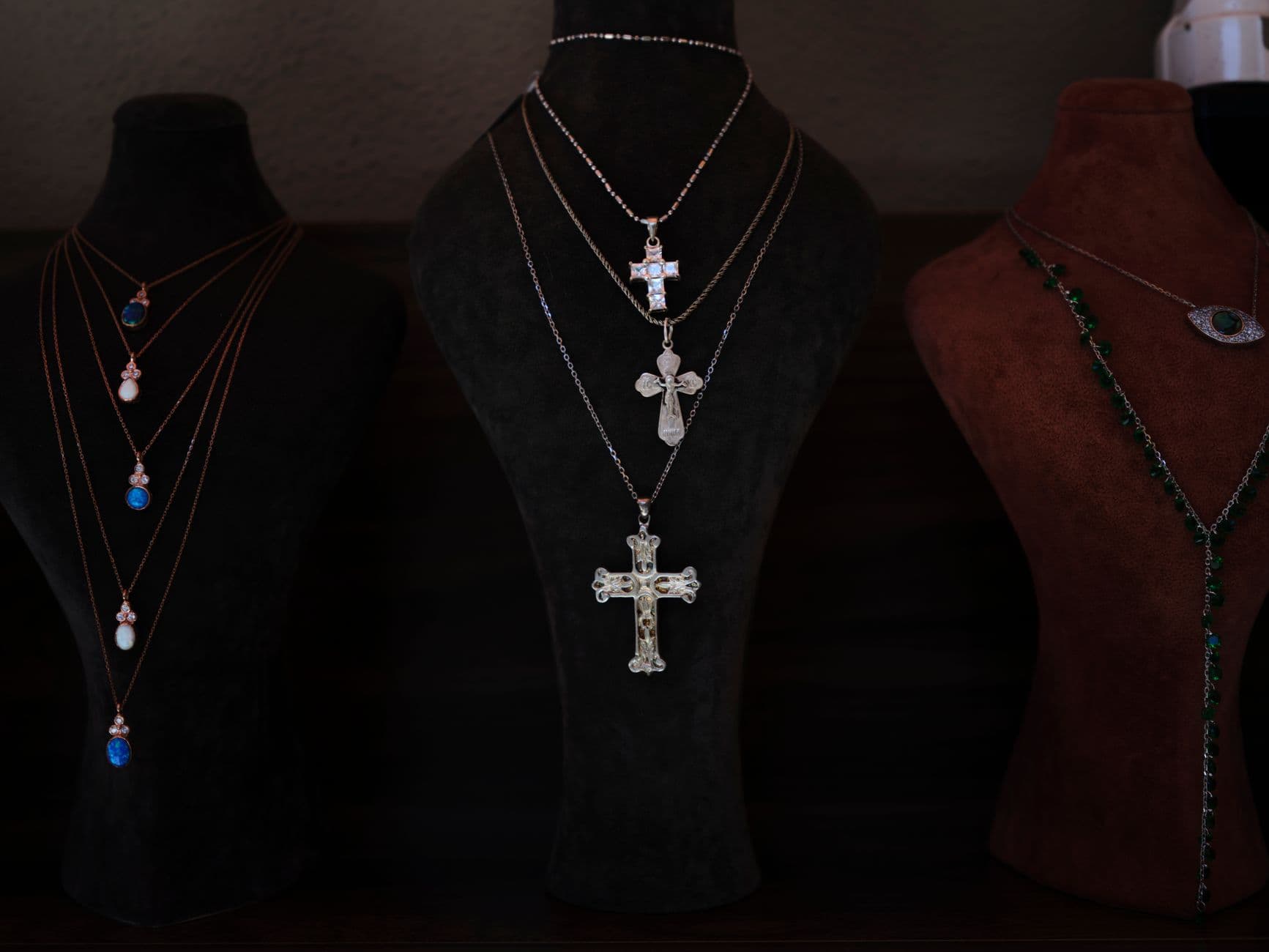
Chrome Hearts is taking aim at Nordstrom over the one symbol that keeps streetwear and luxury in a chokehold: the cross. The brand says the retailer’s belts, jewelry, and other accessories echo its own CH Cross and CH Plus marks so closely that shoppers could mistake the pieces for Chrome Hearts or think the brand signed off on them.
The complaint was filed June 4, 2026, in the U.S. District Court for the Central District of California under Chrome Hearts LLC v. Nordstrom, Inc. et al., No. 2:26-cv-06078. Chrome Hearts named Nordstrom, Does 1-10, and accused the retailer of trademark infringement, counterfeiting, false designation of origin, and unfair competition under the Lanham Act. The allegation is straightforward and very Chrome Hearts: this is not about the abstract idea of a cross, but about source-identifying visual code.
That distinction matters because Chrome Hearts built an empire on the kind of gothic shorthand that streetwear people can spot from across a room. The brand’s language is all black leather, silver hardware, Old English type, daggers, fleur-de-lis, and crosses that read less like decoration and more like attitude. Founded in 1988 by Richard Stark, John Bowman, and Leonard Kamhout, and long steered by Richard Stark and Laurie Lynn Stark, Chrome Hearts turned those symbols into a full luxury system across jewelry, leather goods, apparel, eyewear, and home goods. In this market, the cross is not just a motif. It is a badge, a flex, and a receipt.

That is exactly why the Nordstrom fight hits harder than a standard counterfeit case. Nordstrom, founded in 1901 and headquartered in Seattle, has been pushing deeper into luxury and designer fashion in recent seasons, which makes the retailer a more consequential stage for this kind of dispute. If cross-heavy accessories can sit inside a big-box luxury assortment without tripping alarm bells, then the line between homage and dilution gets awfully thin.
Chrome Hearts has never acted like its design language is public property. The brand has a history of policing copycat behavior in court, and this lawsuit fits that pattern cleanly. For streetwear, the stakes are bigger than one retailer or one set of accessories. Chrome Hearts has proved that gothic luxury codes can become mass-cultural currency, but the case asks the uglier question underneath all that shine: how much can a heritage brand’s iconography be copied, flattened, and resold before the exclusivity that made it valuable starts to crack?
This article was produced by Prism’s automated news system from verified source data, official records, and press releases, then run through automated quality and moderation checks before publishing. The system is built and supervised by the people who set the standards it runs under. Read our full AI policy.
Did this article answer your question?