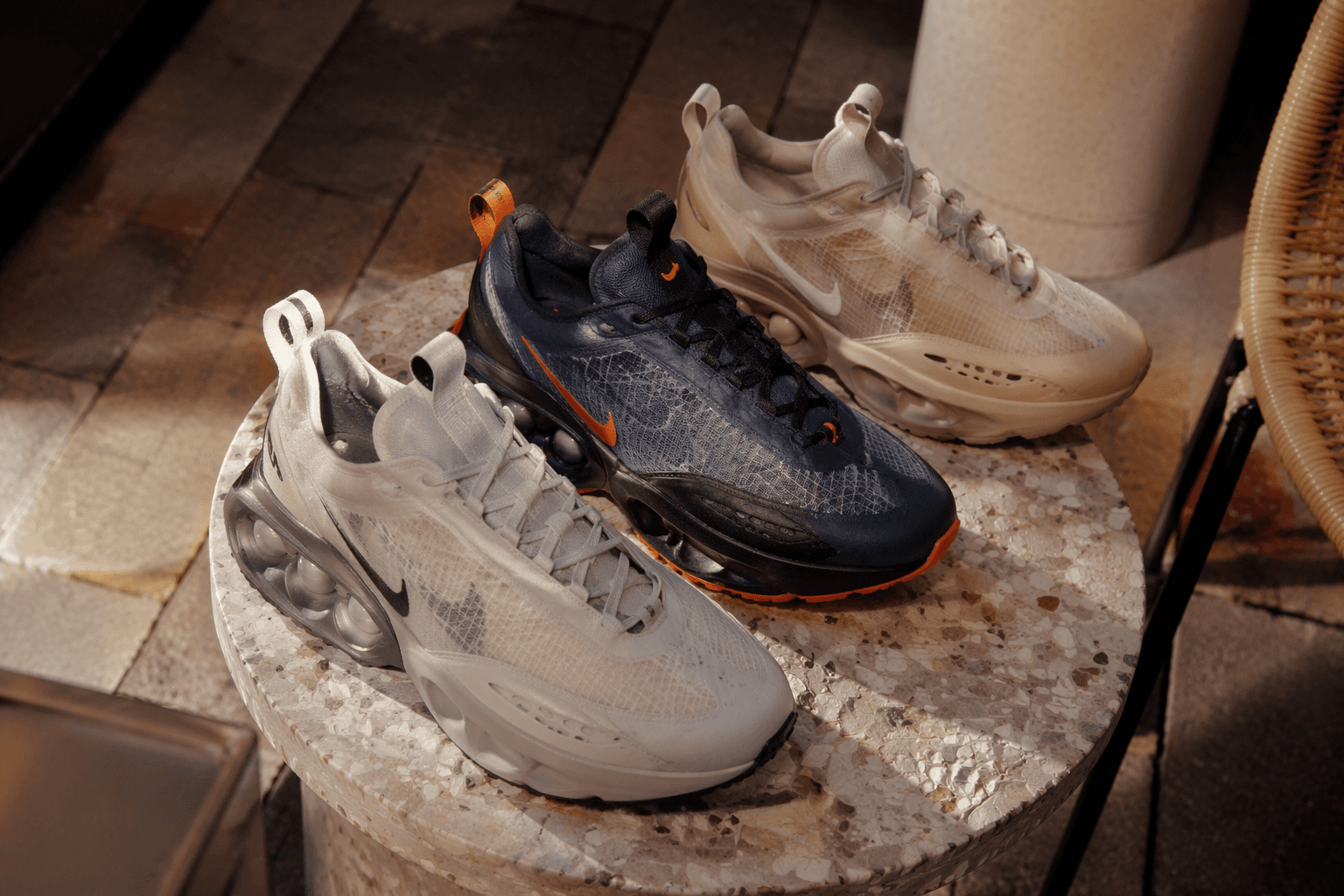
CLESSTE’s technical streetwear and oversized silhouettes are selling out fast
CLESSTE is winning because it makes roomy, Tokyo-made streetwear feel practical, not performative, with technical fabrics and rapid sell-through to match.
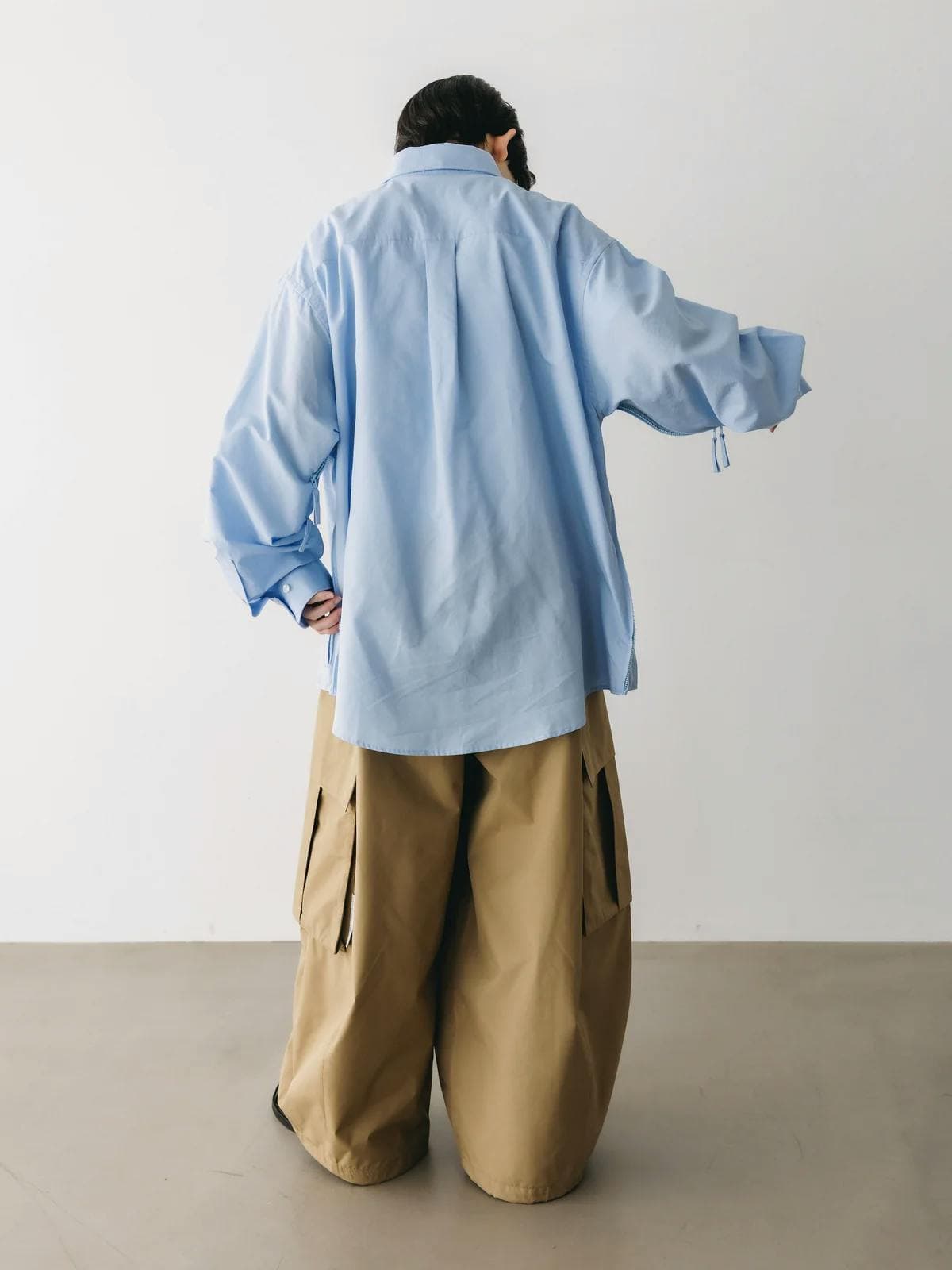
CLESSTE’s formula is simple, and that is exactly why it lands now. The Tokyo label takes the oversized silhouette that streetwear has made familiar, then gives it real function: windproof shirts, waterproof layering, and utilitarian basics that feel built for weather, not just Instagram. In a market tired of purely aesthetic gorpcore, that mix of volume and performance feels sharper, quieter, and far more useful.
Why the brand reads as a fresh answer to a familiar wardrobe problem
Highsnobiety has framed CLESSTE as a breakout Japanese label because it does something many brands only hint at: it makes relaxed shapes actually work. The pieces are generous without looking sloppy, and technical without looking fussy. A collared shirt in WINDSTOPPER fabric changes the conversation immediately, because it gives you the ease of a big shirt and the protection of outerwear.
That same tension runs through the line’s waterproof +Phenix layering and utilitarian staples. These are clothes that solve the daily problem of wanting to dress loosely without dressing carelessly. The brand’s appeal is not that it looks outdoorsy; it is that it lets streetwear borrow the intelligence of outdoor gear without wearing the costume of it.
The technical details are the point
The recent +Phenix capsule made the brand’s logic even clearer. Industry coverage described the collection as urban-outdoor wear and said it uses WINDSTOPPER by GORE-TEX LABS, a fabric system known for being breathable, windproof, and water-repellent. That matters because CLESSTE is not dressing up utility as a trend, it is using performance fabrics to support proportion, drape, and ease.
One especially telling detail comes from Takashima’s own explanation of a popular shirt made at a Kanemasa factory in Wakayama. Instead of a woven fabric, it used knit fabric, which gives the shirt a softer hand and a more relaxed fall. That is the CLESSTE move in miniature: take a familiar category, then rebuild it so the piece feels easier to wear and more comfortable to live in.
The brand’s concept is anti-waste, but not anti-style
CLESSTE’s official concept, “CONSUME LESS CREATE MORE,” is more than a slogan. The brand says it produces in limited quantities and uses order production to reduce wasteful production, consumption, and disposal, while making its products in Japan. That gives the clothes a certain discipline. They are not overloaded with gimmicks, and they are not pushed in endless volume.
There is also a cultural layer here that helps explain the brand’s appeal beyond the obvious silhouette play. CLESSTE says it wants to bring Japanese craftsmanship and aesthetics closer to consumers, while also expressing concern about the decline of traditional crafts and local industries as craftspeople age and successors become harder to find. That gives the label a purpose that feels bigger than a trend cycle. It is selling clothes, yes, but it is also selling continuity.
Ryo Takashima’s path helps explain the point of view
Ryo Takashima did not arrive in fashion from nowhere. He was born in 1992 in Shizuoka Prefecture, worked as an architect, moved into apparel, and started freelancing in 2018. He has said CLESSTE launched in 2022, and the brand’s viewpoint reflects that background: structured, considered, and more interested in how clothes occupy space than in loud branding.
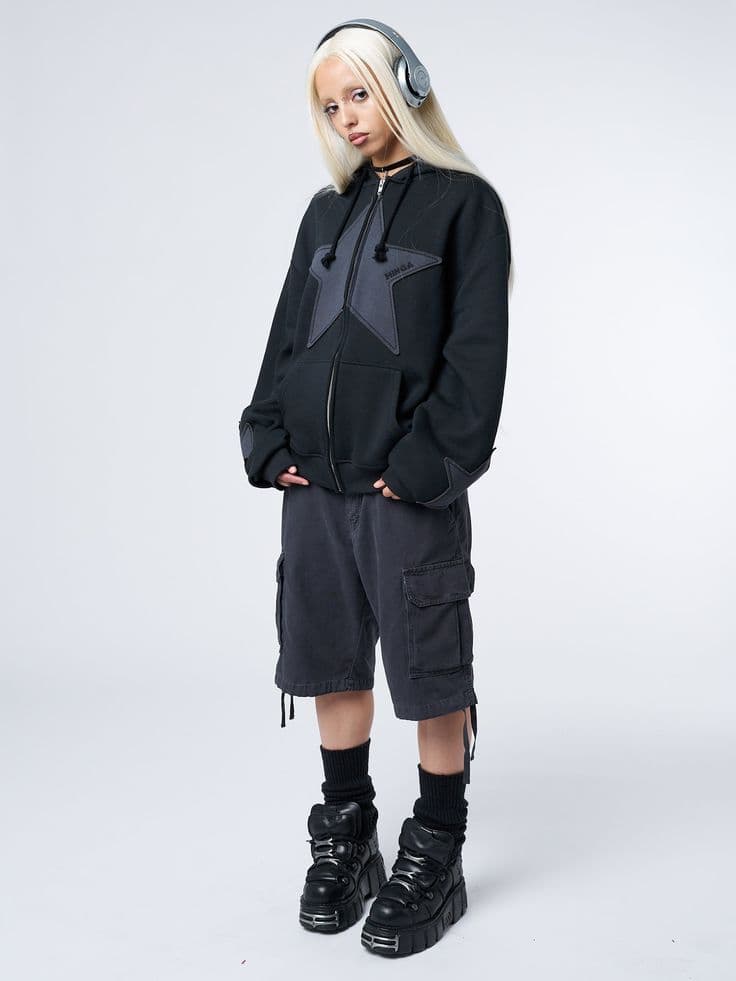
His public presence has also helped CLESSTE move quickly. A PLUS81 profile says his combined social-media following is over 350,000, which makes sense of the pace at which the label can sell through online and in pop-ups. In streetwear, visibility can create demand, but here the demand has something sturdier underneath it. The clothes are answering a real styling need, not just a hype need.
Where the brand lives in the market, and why scarcity keeps showing up
CLESSTE’s flagship store is at Koyano Building 5F, 2-7-19 Kita-Aoyama, Minato-ku, Tokyo, with stockists in Macau, Hong Kong, and online. The brand has also leaned into the kind of limited-time retail moments that keep a label feeling hard to pin down. It staged a Winter Collection pop-up at +81 in Tokyo from November 23 to 27, 2022, and its site shows a 2026 Osaka pop-up, underscoring how scarcity and fast turnover have become part of the rhythm.
That rhythm fits the clothes. Oversized technical shirting, mohair, wool gabardine, and knit-driven pieces tend to work best when they feel discoverable rather than mass-blasted. In CLESSTE’s case, the sell-out energy is not only about hype. It is also about a customer base that knows the difference between a big silhouette and a well-made one.
How to wear CLESSTE without turning it into costume
The best way to wear the label is to keep the styling as disciplined as the design.
- Let one oversized piece do the work. A roomy technical shirt or layered shell already gives you volume, so keep the rest clean and straightforward.
- Use texture to balance the silhouette. Knit shirting, gabardine, and technical nylon all carry different weights, and mixing them keeps the look from flattening out.
- Treat the outerwear like clothing, not gear. CLESSTE works best when the performance fabric serves the outfit, rather than dominating it.
- Avoid overbuilding the look. The brand’s strength is its restraint, so piling on too many gorpcore signals only dulls the point.
What makes CLESSTE interesting is that it understands something a lot of current streetwear misses: technical clothing only feels modern when it improves the way you actually dress. The oversized silhouette gives the body room; the fabrics give that room purpose. That is why the label is selling through fast, and why it feels like a more useful direction for streetwear than pure aesthetic utility ever did.
This article was produced by Prism’s automated news system from verified source data, official records, and press releases, then run through automated quality and moderation checks before publishing. The system is built and supervised by the people who set the standards it runs under. Read our full AI policy.
Did this article answer your question?