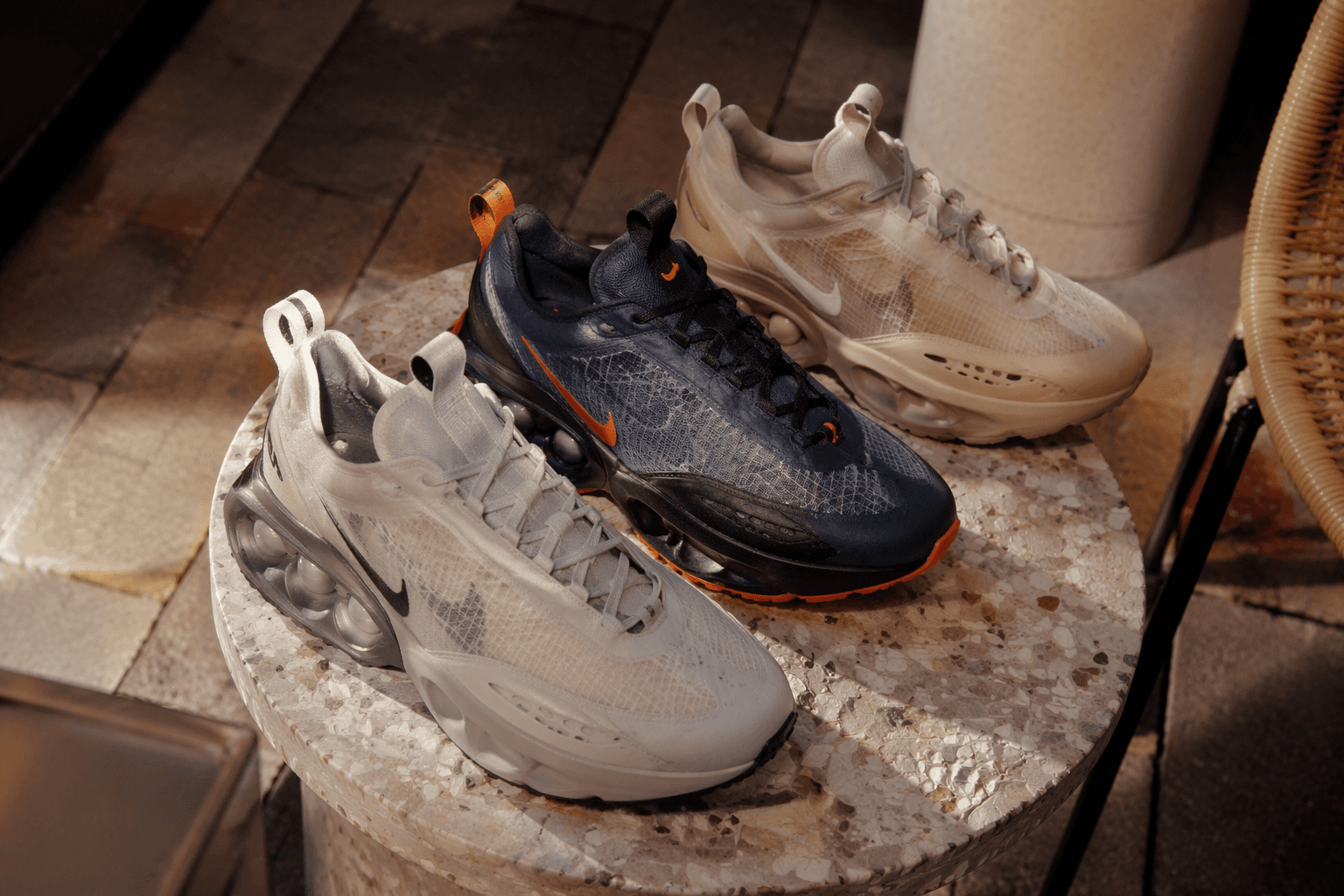
Complex names the 25 most powerful figures in streetwear
Streetwear power now belongs to the builders, not just the buzziest names, and Complex’s top 25 shows who can still move product and shape taste.
1. Ronnie Fieg
Ronnie Fieg sits at the top because he has turned Kith into a full ecosystem, not just a label. The Kith & Messi for adidas Football release, built around Kith’s 15th anniversary and Messi’s 20th on the world stage, plus the expanded West Hollywood flagship with Ronnie’s Pronto and the new Apothecary, show power as retail theater, hospitality, and collaboration at once.
2. James Jebbia
James Jebbia remains the blueprint because Supreme still feels like a machine that can make scarcity look effortless. Founded in 1994 in New York City, the brand posted its Spring/Summer 2026 preview and lookbook on May 29, proof that the weekly-drop rhythm still has a pulse even in a market flooded with louder players.
3. Pharrell Williams
Pharrell’s reach is bigger than a streetwear lane, which is exactly why he matters here. Louis Vuitton says he presented the Men’s Spring-Summer 2026 collection in Paris on June 24, 2025, and the collection’s refined sportswear and travel-minded polish shows how streetwear power now travels through luxury’s most visible corridors.
4. Jerry Lorenzo
Jerry Lorenzo still wields rare authority because Fear of God keeps translating restraint into desire. WWD’s coverage of the Fall 2026 Paris runway noted a collection rooted in the brand’s DNA, with fabric, comfort, and practicality doing the heavy lifting instead of loud branding.
5. NIGO
NIGO’s power is cultural archaeology with commercial force behind it. Nike announced a multi-season Air Force 1 journey with his LO2 project on April 22, 2026, while Human Made tied the collaboration to LAST ORGY 2 and the NOWHERE era in Harajuku, which is exactly how a legacy becomes current again.
6. Clint Ogbenna
Clint Ogbenna has made Corteiz feel less like a brand and more like a private club with global reach. Founded in London in 2017, Corteiz has been described as a global fashion force built on scarcity, spectacle, and grit, and that controlled tension is its real luxury.
7. Tremaine Emory
Tremaine Emory matters because he still treats clothing like memory, critique, and code. Complex describes him as the mind behind one of contemporary streetwear’s most ubiquitous new logos, and his spring/summer 2026 collection used the Kaisokah Moko Jumbies and Lauryn Hill’s family as part of a densely layered visual language.
8. Joe Freshgoods
Joe Freshgoods has stayed potent by making every release feel like a story with pulse and place. His New Balance 1890 pack landed in April 2026, and the brand’s site still frames the work through Chicago-rooted apparel and community energy rather than generic hype.
9. Yoon Ahn
Yoon Ahn remains one of the sharpest translators between streetwear and luxury. AMBUSH’s Spring/Summer 2026 collection, titled “Tribe on the Move,” and the brand’s return to full ownership in 2026 underline how her control over taste is matched by control over the business.
10. Teddy Santis
Teddy Santis keeps Aimé Leon Dore in that sweet spot where New York ease meets exacting design. The brand’s official pages identify him as founder and creative director, and the Spring/Summer 2026 collection leans into clean silhouettes and timeless comfort without losing the downtown confidence that made the label matter.
11. Angelo Baque
Angelo Baque’s Awake NY has the kind of cultural fluency that makes a collab feel like a city handshake rather than a marketing exercise. The brand launched in 2012, and its March 2026 Gap partnership rooted itself in ’90s street culture, the kind of broad, democratic gesture that still carries real power.
12. Brendon Babenzien
Brendon Babenzien has built his lane on relaxed confidence and a refusal to dress streetwear up too much. Noah’s official site places the brand in New York with him as founder, and his February 2026 exit from J.Crew only sharpened the sense that his taste still moves in and out of the mainstream on his own terms.
13. Telfar Clemens
Telfar Clemens remains essential because he made access part of the aesthetic. Telfar’s own site says the line was established in 2005 in New York City and still lives by the line, “It’s not for you - it’s for everyone,” a slogan that sounds simple until you realize how radical it is in a market built on gatekeeping.
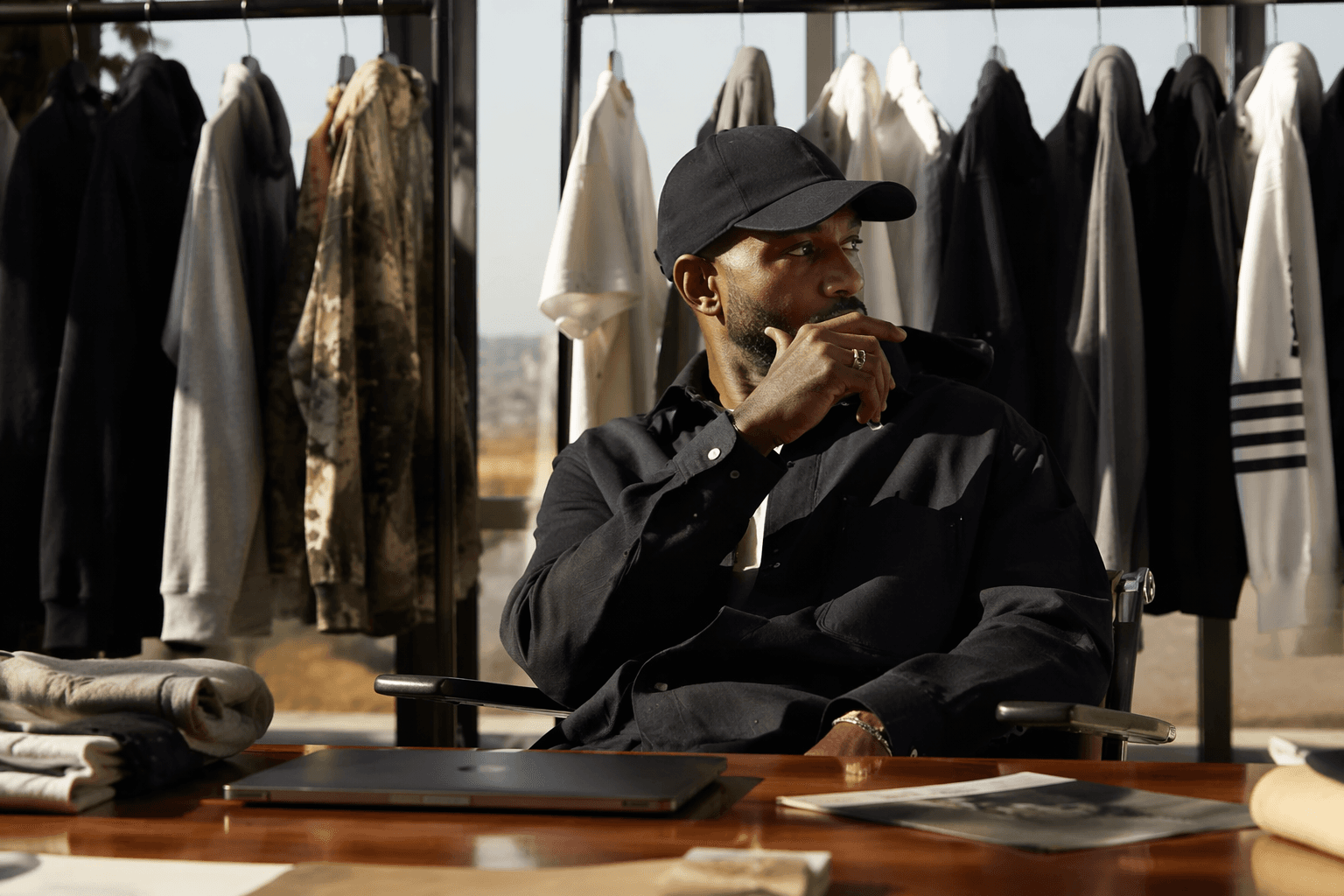
14. Verbal
Verbal gives AMBUSH its operating muscle as much as its cultural cool. Alongside Yoon Ahn, he co-founded the Tokyo label in 2008, and the duo’s 2026 Audemars Piguet collaboration shows how their reach now spans jewelry, fashion, and high horology.
15. Sean Holland
Sean Holland’s Hellstar proves that a small, disciplined brand can hit like a much larger house. Hellstar says it was founded in Los Angeles in 2020, manufactures in the city with a small team, and keeps the product limited, which is exactly why the label still feels dangerous in the best way.
16. Joseph Pendleton
Joseph Pendleton helps keep Hellstar’s engine from becoming just another loud logo story. Legal and brand references tie him to the company’s founding alongside Sean Holland, and that founder-led intimacy is part of why the brand still feels tightly wound rather than overextended.
17. Geoff Ogunlesi
Geoff Ogunlesi sits at the intersection of management, music, and brand-building, which is a very 2026 kind of power position. Complex notes that he has helped Young Thug become one of the biggest acts in hip-hop and is also spearheading the growth of one of streetwear’s hottest labels, the sort of behind-the-scenes leverage that quietly shapes the market.
18. Young Thug
Young Thug’s Sp5der gives him a real stake in streetwear, not just a celebrity logo. The official site says the brand was established in 2019 and built around bold color, graphic intensity, and self-expression, with 2026 product continuing to blur the line between merch, fashion, and fandom.
19. Lev Tanju
Lev Tanju keeps Palace funny, sharp, and deeply London. Palace, founded in 2009, still runs on weekly seasonal drops and a mix of skate grit and playful high-low references, and the Summer 26 rollout shows the formula still has edge.
20. Justin Saunders
Justin Saunders has made JJJJound into one of the cleanest arguments for restraint in modern streetwear. The studio launched in 2006 as a digital mood board and now moves through collaborations and tightly edited capsules like the 2026 Half Cab and Spring/Summer 2026 releases.
21. Jun Takahashi
Jun Takahashi still belongs on any serious streetwear power list because UNDERCOVER keeps behaving like a laboratory, not a nostalgia act. The brand launched in 1990, moved its runway shows from Tokyo to Paris in 2002, and its Spring/Summer 2026 work with GU kept that tension between polish and abrasion alive.
22. Shawn Stussy
Shawn Stussy remains one of the great origin points of the entire scene, and his return matters because the original still has gravity. His S/DOUBLE project, founded in 2008, and the 2026 reboot tease confirm that the founder of Stüssy still knows how to make a logo feel alive.
23. Mike Amiri
Mike Amiri represents the luxury side of streetwear’s power shift, where premium fabrics and harder-edged silhouettes now sit comfortably together. AMIRI’s official site keeps the emphasis on men’s and women’s ready-to-wear, shoes, leather goods, and accessories, while his label’s 2014 founding anchors its streetwear credibility.
24. Samuel Ross
Samuel Ross is one of the clearest examples of streetwear expanding into performance and systems design. WHOOP’s March 2026 PROJECT TERRAIN launch brought apparel and outerwear into a multi-year collaboration with his SR_A studio, which feels less like a merch play and more like a blueprint for where the category can go next.
25. Don C
Don C closes the list because he still understands how to make sportswear feel aspirational without sanding off its Chicago grit. Just Don’s February 2026 BAPE partnership, with hoodies, tracksuits, hats, and BAPE STA styles, showed that he can still turn a collaboration into a full-on statement about taste, city identity, and access.
This article was produced by Prism’s automated news system from verified source data, official records, and press releases, then run through automated quality and moderation checks before publishing. The system is built and supervised by the people who set the standards it runs under. Read our full AI policy.
Did this article answer your question?