DR Congo and Côte d’Ivoire raise the bar for World Cup tunnel style
DR Congo and Côte d’Ivoire turned the tunnel into a runway, using tailoring to broadcast heritage, swagger, and national pride before kickoff.
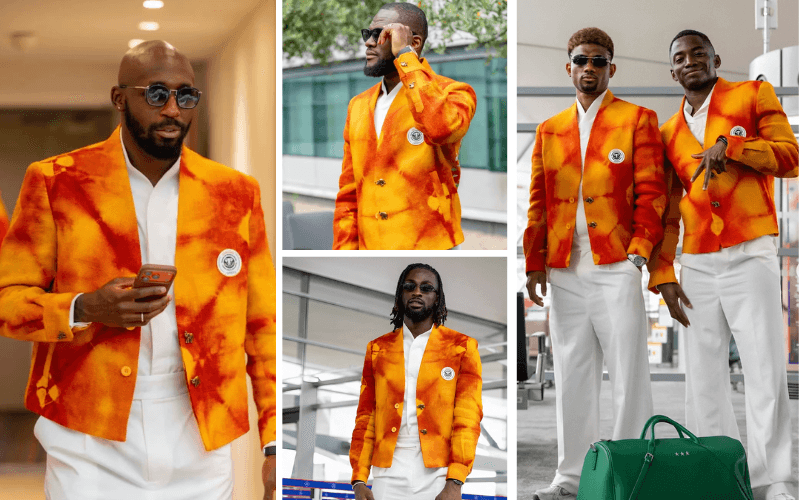
The most compelling thing about this World Cup fashion moment is that it is not playing like a novelty. DR Congo and Côte d’Ivoire arrived in sharply cut suits that felt like statements of identity, not polite pre-match uniformity, and they did it at a tournament that has expanded to 48 teams and now casts a much larger style spotlight across North America. The effect is bigger than looking sharp in a hotel lobby. It is football dressing with intention, and it has teeth.
The tunnel has become part of the performance
What used to be a fleeting arrival shot now functions like a front row in motion. Highsnobiety’s read on the scene is exactly right: the old status quo has been disturbed in the best way, with national teams treating pre-match dressing as part of the spectacle. Spain arriving in LOEWE suits underlines how far this has moved beyond individual flash, because the story is no longer one player making a style bid. It is squad-wide tailoring, coordinated and deliberate, with luxury fashion and football now meeting in the same visual language.
That shift matters because it changes the meaning of a suit. In this setting, tailoring is not a placeholder for professionalism. It is messaging. The cut, the fabric, the accessories, and the styling all become a way to project cohesion, pride, and a distinct point of view before the match even starts.
DR Congo wears its history on the lapel
DR Congo’s look lands with particular force because the football story behind it is enormous. FIFA says the team is back at the World Cup for the first time since 1974, when the country was still known as Zaire, ending a 52-year absence from the tournament. That return gives the clothing real narrative weight. This is not a team arriving for a routine group-stage appearance. It is a national side re-entering the biggest stage in the sport after more than half a century away.
The qualification itself sharpened that sense of arrival. Axel Tuanzebe sealed Congo DR’s ticket with a decisive late goal in a 1-0 playoff win over Jamaica, and that detail makes the fashion moment feel earned rather than opportunistic. Even the nickname carries visual power. FIFA calls the team the Leopards, and the styling leans into that identity without being heavy-handed, turning national symbolism into a polished, modern wardrobe code.
The Sapeurs give the suit its edge
The strongest part of DR Congo’s outfit story is that it is rooted in something deeper than red-carpet polish. Highsnobiety says the suits were designed by Alvin Junior Mak in the spirit of the Sapeurs, the Congolese subculture of working-class dandies whose dress codes are built on elegance, presence, and subcultural swagger. That reference changes everything. The suit stops being imported luxury and becomes a local dialect of style, one that understands tailoring as culture, performance, and self-definition all at once.
One report describes the look as custom black suits with white shirts, finished with leopard-print sashes and crystal cheetah brooches. It is a sharp combination because it never feels costume-like. The black tailoring keeps the silhouette formal and disciplined, while the animal-print accents make the Leopard reference literal, not abstract. It is the kind of styling that photographs immediately but also reads as grounded in the team’s identity, which is exactly why it works.
Côte d’Ivoire brings local fashion into the frame
Côte d’Ivoire’s arrival look carries a different but equally persuasive confidence. Highsnobiety notes that the team wore suits from local fashion house Ibrahim Fernandez Couture, which is the key detail. The appeal here is not just that the suits look expensive or tailored well, though they clearly do. It is that the fashion credit stays local, linking the team’s image to homegrown craftsmanship rather than outsourcing its visual identity to a European luxury house.
That choice gives the look a stronger cultural center of gravity. When a national team walks into the tunnel wearing a local fashion house, the clothes do more than flatter the players. They place the country’s own design ecosystem in the global frame, right alongside the football. In a tournament where the eye is already hungry for statement dressing, that is a savvy way to make the outfit feel authentic instead of borrowed.
Côte d’Ivoire’s timing also adds emotional force. FIFA announced the team’s 26-man squad on May 15, 2026, and said the nation is back at the World Cup after a 12-year wait. That kind of return turns every visual decision into part of the comeback narrative. The suit becomes a marker of readiness, a way of saying the team is not just present, but composed, unified, and fully aware of the stage.
Why this style shift matters now
The bigger story is that African national teams are using tunnel style as a form of soft power. DR Congo and Côte d’Ivoire are not dressing up for the sake of it. They are using tailoring to assert heritage, status, and unity in a visual register the whole world understands immediately. That is what makes these looks feel more advanced than standard European luxury football dressing, which can sometimes read as brand-led rather than culturally specific.
There is also a crucial difference in how these outfits balance formality and expression. The African reference points are not decorative extras added after the fact. They shape the entire read of the clothes, from the cut to the styling to the symbolism. DR Congo’s leopard accents, the Sapeurs influence, and the black-and-white palette create a look with a clear point of view. Côte d’Ivoire’s local couture connection adds another layer of authorship, proving that a suit can be both elegant and deeply national.
The new rulebook for tunnel dressing
If there is a lesson here for the broader World Cup style conversation, it is that the best tunnel fits do three things at once. They look precise from across the room. They carry a story that survives close-up inspection. And they make the team feel bigger than the sum of its players. DR Congo and Côte d’Ivoire do all three, which is why their arrival style is resonating so widely.
In a tournament expanded to 48 teams and staged under a brighter global spotlight, that kind of visual intelligence matters. The pre-match walk has become a place where football teams can communicate who they are before a ball is kicked. DR Congo and Côte d’Ivoire have shown that when tailoring is rooted in local craft and cultural memory, it can outclass simple luxury every time.
This article was produced by Prism’s automated news system from verified source data, official records, and press releases, then run through automated quality and moderation checks before publishing. The system is built and supervised by the people who set the standards it runs under. Read our full AI policy.
Know something we missed? Have a correction or additional information?
Submit a Tip