Heron Preston and Rishi Assar turn street signs into sculptural chairs
Heron Preston and Rishi Assar turned authentic NYC DOT signs into L.E.D. KARTN chairs, showing streetwear’s reach into collectible furniture.

Heron Preston’s latest flex is not a hoodie or sneaker, but a chair built from the city itself. At Lichen during New York Design Week, Preston and Rishi Assar unveiled the L.E.D. KARTN chairs, sculptural seats made from authentic New York City Department of Transportation road signs that had been cleaned, chopped and reassembled with metal rivets.
The result feels less like a one-off stunt than an extension of Preston’s design language into the home. The aluminum still carries the grit of the street, but the finish is disciplined and purposeful, with the signs turned into furniture that reads as both municipal detritus and gallery object. That tension is the point: Preston is not simply recycling material, he is translating the visual code of New York infrastructure into collectible design.
The project also lands as a marker of where Preston’s practice sits now. L.E.D. Studio, which he founded in 2023, stands for Less Environmentally Destructive, and it has served as a parallel testing ground for ideas that sit outside the usual apparel cycle. Earlier L.E.D. projects have included tables made from reclaimed cardboard boxes, turntables repurposing vintage motors and tees made from waste fibers, a body of work that makes the KARTN chairs feel like a continuation rather than a detour.
That continuity matters because Preston has been reasserting control over his own name. In 2025, he bought back the rights to his label from New Guards Group and has been moving on his own terms again, which gives L.E.D. a sharper strategic edge. It is not just a side studio; it is a place where Preston can test how far his world-building can stretch when the product shifts from garments to objects people live with.
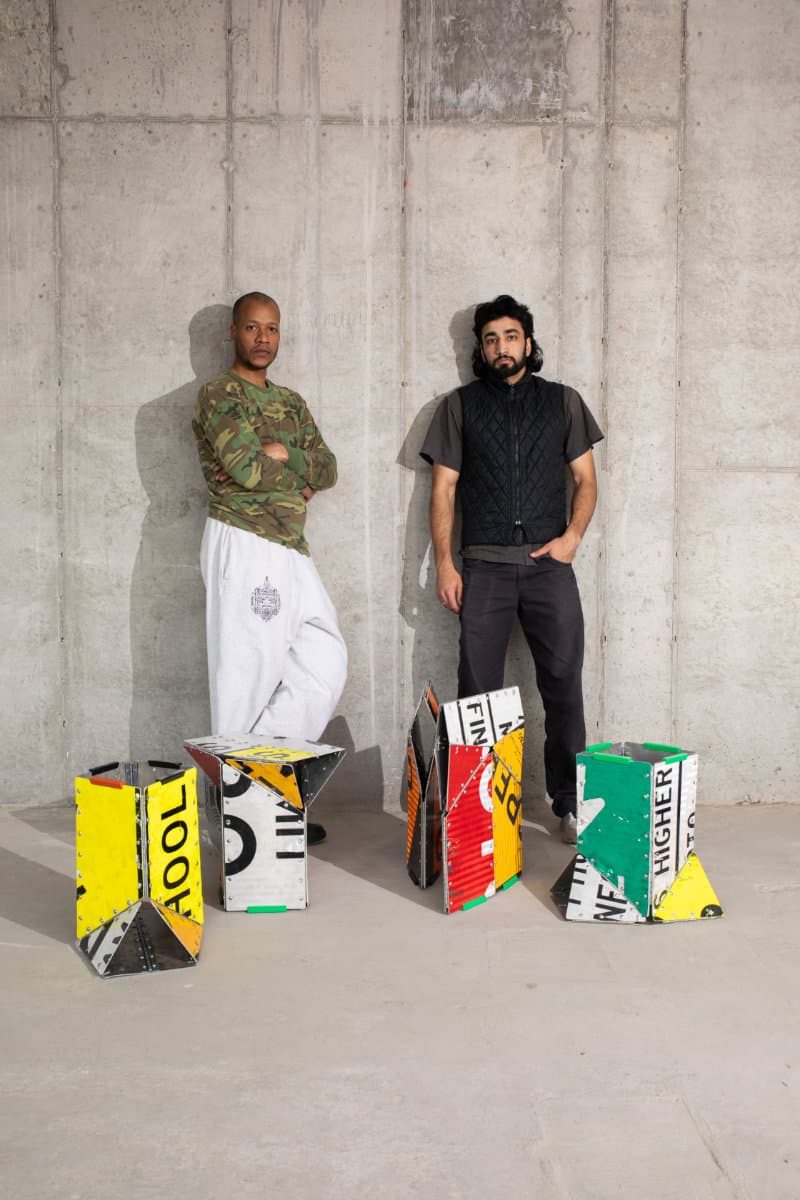
Assar is a natural fit for that expansion. In his own materials, he describes his practice as rooted in nature, ritual, movement, material study and adaptive reuse, a framework that helps explain why his approach aligns so cleanly with Preston’s. Together, they made a piece that sits comfortably in the current crossover between fashion, design and cultural capital. If streetwear once proved it could own the closet, Preston is now making the case that the next credible frontier may be the chair, the table and the room itself.
This article was produced by Prism’s automated news system from verified source data, official records, and press releases, then run through automated quality and moderation checks before publishing. The system is built and supervised by the people who set the standards it runs under. Read our full AI policy.
Did this article answer your question?