Heron Preston says streetwear is no longer a disruptive subculture
Heron Preston says streetwear has outgrown shock value. Luxury, IPOs and quiet luxury now shape the category more than the old hype cycle.
Streetwear has not died so much as it has been absorbed, and Heron Preston thinks that is the point. He said streetwear is “no longer a subculture” and cannot keep working as the disruptive force it once was, a blunt read on a category that once lived on scarcity, attitude and the thrill of being ahead of the crowd.
The evidence is no longer just on the sidewalk. Human Made’s Tokyo trading debut on November 27, 2025 marked streetwear’s first IPO, a milestone that pushed the category from underground code into public-market status. By then, luxury had already moved deep into the lane. Streetwear was entering a new era with luxury at the forefront, while Supreme was showing a 7% year-on-year slowdown. The mood had shifted too: less logo pileup, more quiet luxury, cleaner lines and a softer sell.
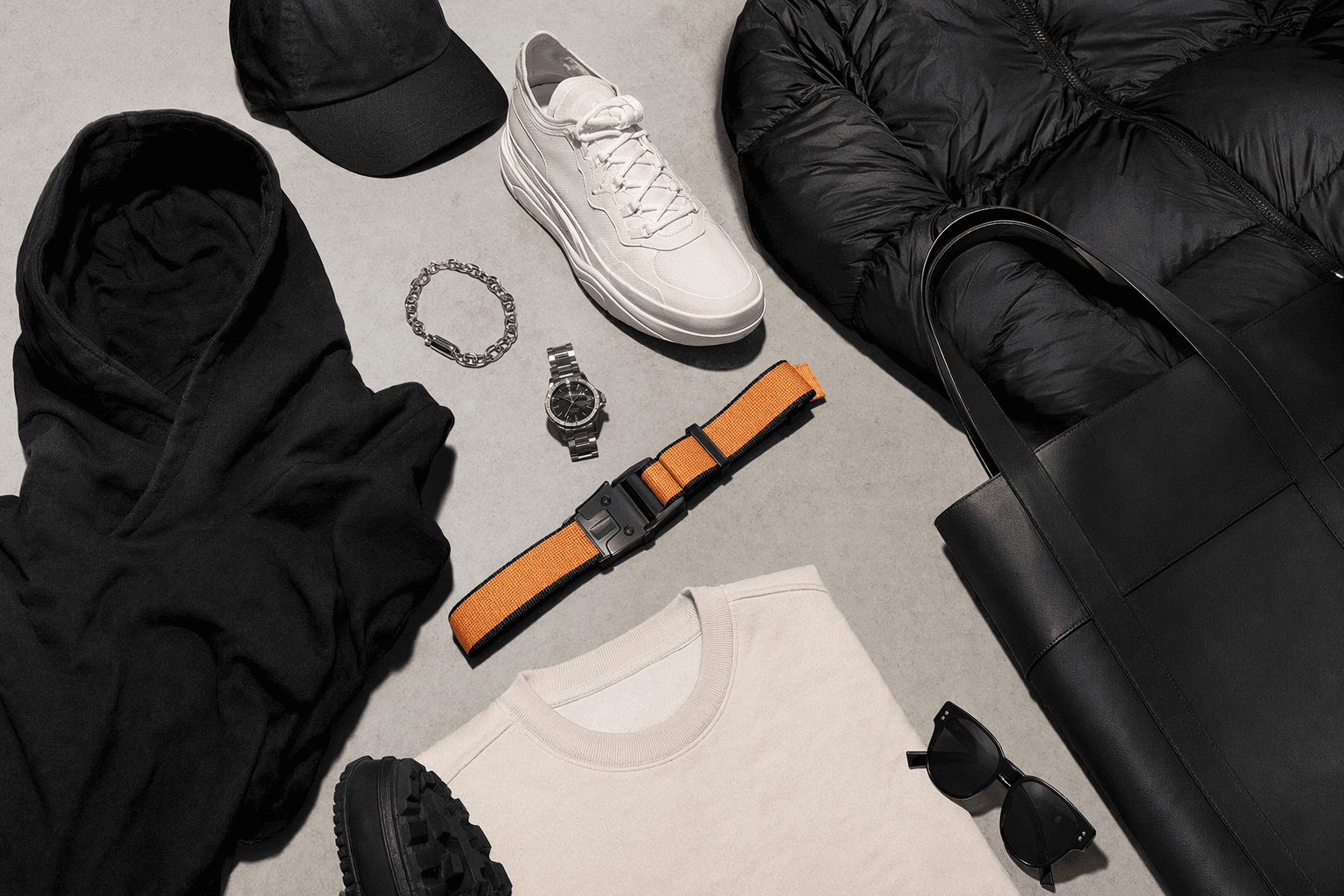
Preston is speaking from the inside of that evolution. He launched his namesake label in 2016, after co-founding Been Trill and working through a web of collaborations tied to Nike, Kanye West, Carhartt and the New York City Department of Sanitation. His first full collection arrived at Paris Men’s Fashion Week in January 2017, when his work still felt tightly bound to the collision of utility, music and downtown posture that once gave streetwear its edge.


That history is what gives his comments weight. Preston is not declaring the category finished; he is pointing to the end of the old playbook, where shock, hype and scarcity did most of the work. Streetwear still has a culture, a customer and a market, but it now moves through a system that luxury has fully learned to use, that corporations have learned to court and that algorithms have learned to amplify. What survives may look less rebellious and more refined, built around utility, sustainability and community instead of the adrenaline rush of being first. The subculture may have been absorbed, but the wardrobe it created still has somewhere to go.
This article was produced by Prism’s automated news system from verified source data, official records, and press releases, then run through automated quality and moderation checks before publishing. The system is built and supervised by the people who set the standards it runs under. Read our full AI policy.
Did this article answer your question?