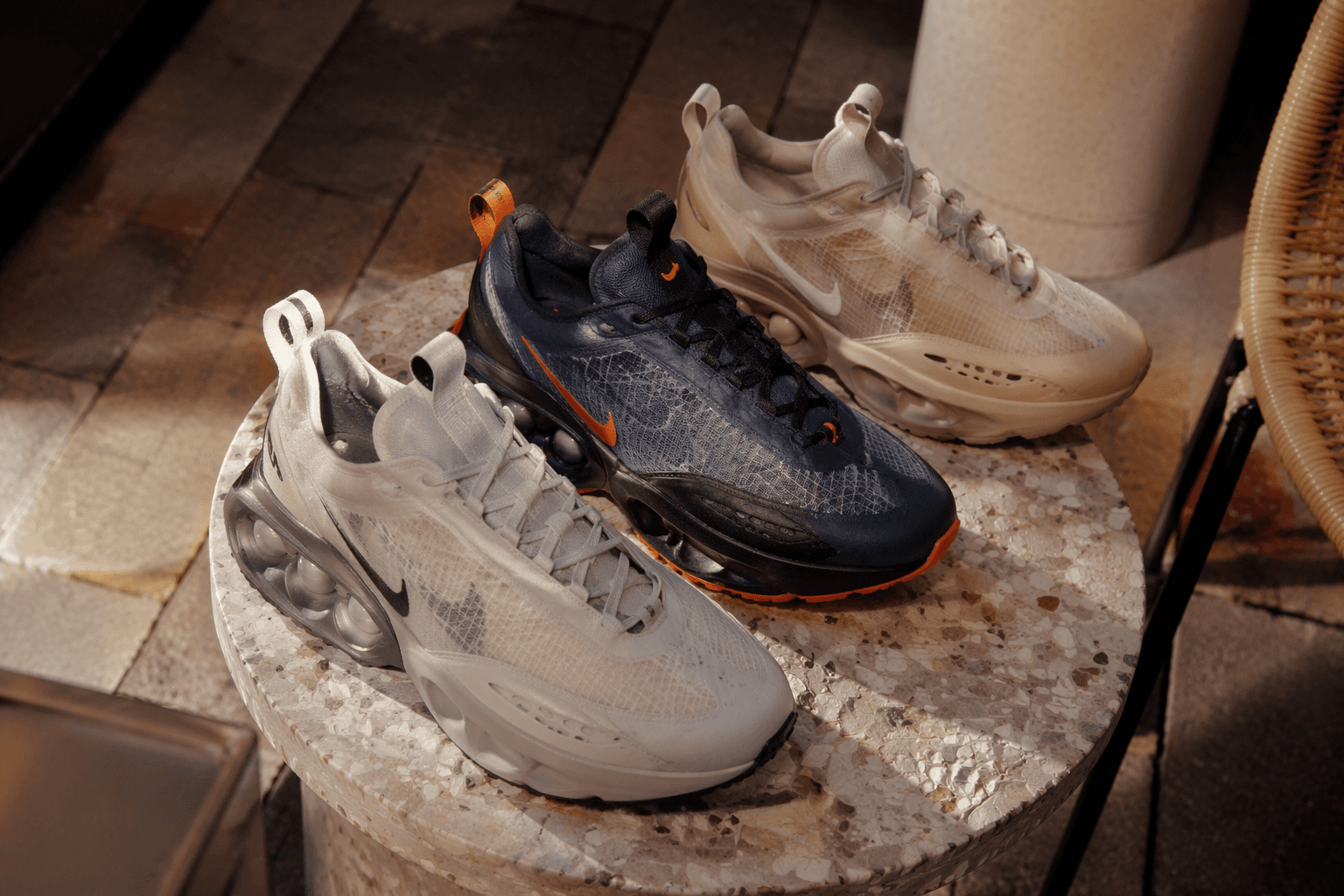
How to Navigate Pop-Culture Collabs, Sizing, and Store Exclusives Like a Pro
Pop-culture collabs sell out in minutes, but knowing store exclusives and sizing tricks before drop day is what separates the collectors from the crowd.
The collab economy moves fast and punishes the unprepared. A Supreme x Louis Vuitton bag sits behind glass at a flagship you didn't know was the only stockist. A limited Jordan colorway drops in a raffle you missed because you were watching the wrong retailer's Instagram. A kids' size in a sought-after Nike x anime collection is sitting unbothered on a shelf while adult sizes vanished at 10:01 a.m. Understanding the architecture of how these releases actually work, from regional exclusives to family sizing loopholes to pre-order windows, is the difference between landing the piece and paying resale markup three weeks later.
What follows is a practical playbook built for buyers who want durable value from pop-culture collabs, not just the dopamine hit of the drop.
Know Which Retailer Has What Before You Research Anything Else
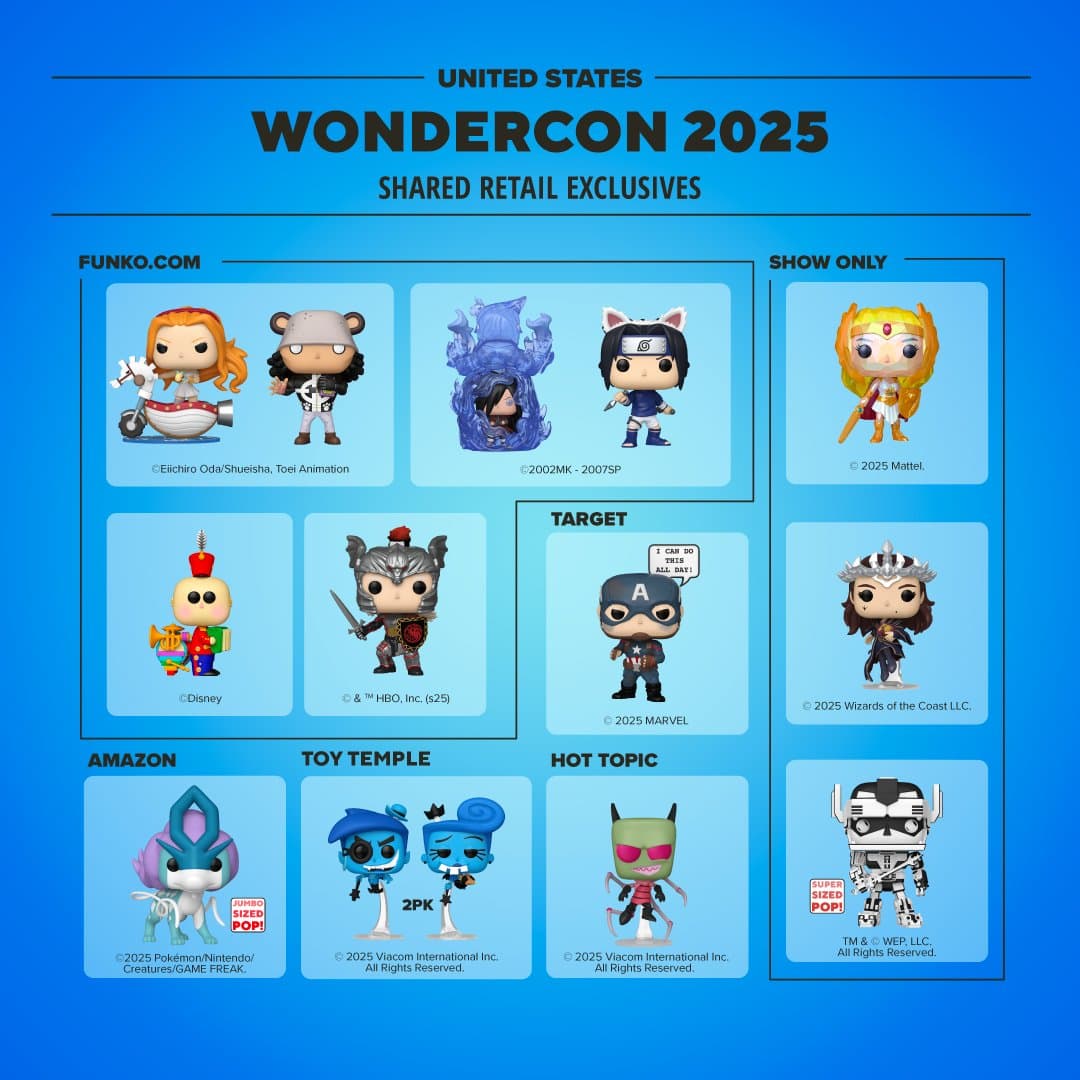
Retail channel fragmentation is the first thing that trips up even experienced buyers. Pop-culture collabs, particularly those built around anime properties, film franchises, or music artists, are almost never distributed evenly across stockists. One colorway goes to Foot Locker. Another is a SNKRS exclusive. A third exists only at a concept store in Tokyo or a single boutique in Paris. Brands use this geographic and channel splintering deliberately: it creates urgency, rewards loyalty to specific retailers, and keeps secondary market prices unpredictable.
The practical move is to map the full retail ecosystem of a collab before drop day, not on drop day. Follow the brand's regional accounts separately from the main account. The Japanese arm of a sneaker brand will often announce exclusives days earlier than the US account, simply because the market operates differently. Set up alerts on the retailer's app rather than the brand's website, because app-exclusive early access has become a standard tactic for high-demand drops.
Knowing whether a release is online-only, raffle-only, or available in-store for walk-in purchase changes your entire preparation strategy. A raffle requires entering days in advance with correct sizing information. An in-store queue requires logistical planning: where is the nearest stockist, what time does the line form, is there a limit per customer. Treating all drops as equivalent is where most buyers waste time and miss out.
The Regional Exclusive Problem (and How to Plan Around It)
Some of the most significant collab pieces in 2026 have been regional exclusives, meaning they are not available through standard online channels regardless of how quickly you click. These pieces require either being in the right city or building relationships with buyers who are. Neither is impossible, but both require advance planning.
When a collab announces a regional exclusive, note the specific store names immediately. Research that store's purchase policy: do they ship internationally, do they require in-person pickup, do they participate in third-party authentication services that allow proxy purchases. Some boutiques in cities like Seoul, London, and Los Angeles have formalized systems for international buyers precisely because demand for exclusive product has made it a viable business channel.
If travel for a drop sounds extreme, consider that for genuinely significant pieces, the cost of a regional trip can still undercut resale prices on platforms like StockX or GOAT by a meaningful margin, particularly when the secondary market heats up over time. The buyers who treat geography as a variable rather than a barrier tend to build the strongest collections.
Check Family Sizing Before You Assume It's Sold Out
This is the most consistently underused intelligence in the streetwear buying space. When a collab sells out in adult sizes within the first hour, the kids' and toddler size runs often remain available for significantly longer, sometimes for days. For wearable pieces, particularly hoodies, tees, and certain footwear silhouettes, a grade school or youth size can be a legitimate alternative for smaller adults.
Before writing off a drop as a miss, check the full size family: men's, women's, grade school (GS), preschool (PS), and toddler (TD) listings. The GS sizing in sneakers typically runs up to a size 7, which translates to a women's 8.5 or a men's 7, covering a real segment of the adult buying population. A GS pair of a sought-after collab sneaker will often price lower on the secondary market than the adult equivalent, even when the physical shoe is essentially identical.
Women's sizing in co-ed collab drops is another overlooked channel. When a hype collab releases in both men's and women's sizing, the women's run frequently attracts less initial competition, which means better odds on SNKRS, more availability at retail, and lower resale premiums. If you wear a women's size that aligns with a men's equivalent, entering both raffles (where permitted) is a straightforward strategic advantage.
Pre-Orders: When They're Worth It and When They're a Trap
Pre-order availability on collab product has become more common as brands try to manage both demand and production planning. The calculation on whether to pre-order is more nuanced than it appears.
Pre-orders are worth committing to when the collab has a verifiable production cap, the brand has a strong track record of fulfilling pre-orders without significant delays, and the secondary market price is already running well above retail. In those conditions, a pre-order locks in retail price and eliminates drop-day stress entirely.
Pre-orders become traps when the brand has a history of shipping delays that push delivery past the cultural moment that made the piece desirable. A collab built around a specific film release or season of a show loses some of its wearable relevance when it arrives months after the cultural conversation has moved on. Check the brand's pre-order fulfillment history before committing, and read the fine print on refund policies if timelines slip.
Prioritize Information, Then Speed
The throughline connecting all of these strategies is that preparation consistently outperforms reflexes in the current collab landscape. Drop-day speed matters, but it matters a fraction as much as knowing in advance which retailer to focus on, whether a regional exclusive changes your plan, whether a youth size solves your sizing problem, and whether a pre-order window closes before you've done your homework.
The collectors and buyers who consistently land significant pieces are not necessarily the fastest or the most connected. They are the most organized: they build retailer watchlists, they map size family availability before drops go live, they understand the geography of exclusivity, and they evaluate pre-orders with the same scrutiny they'd apply to any considered purchase. In a market where brands are deliberately engineering scarcity and confusion, clarity is the real competitive edge.
This article was produced by Prism’s automated news system from verified source data, official records, and press releases, then run through automated quality and moderation checks before publishing. The system is built and supervised by the people who set the standards it runs under. Read our full AI policy.
Did this article answer your question?