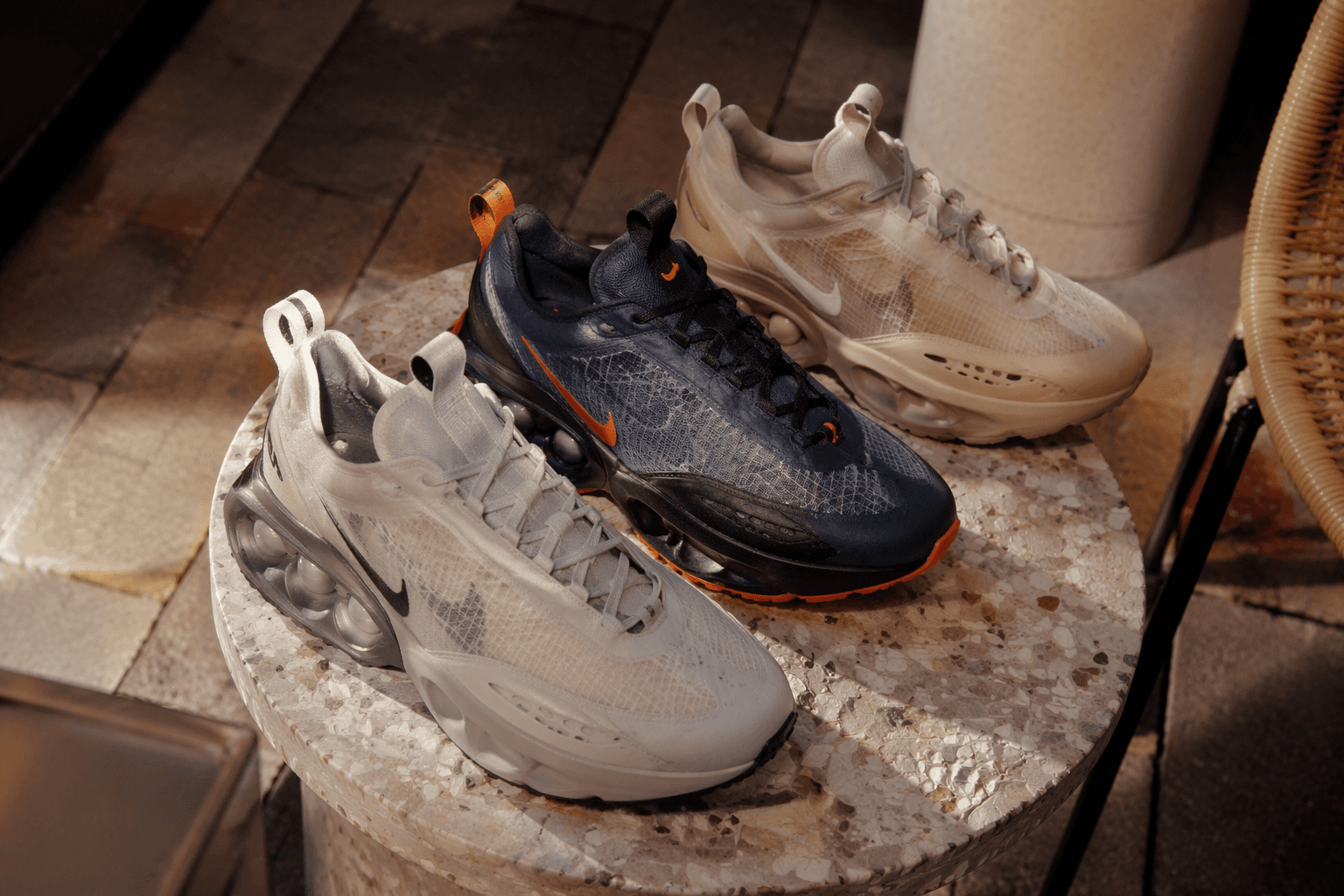
Linen goes technical as streetwear brands build weatherproof summer layers
Streetwear’s summer shell is getting a linen upgrade. Middle Distance, Stone Island Ghost, and Loro Piana are proving the fiber can shed rain, not just heat.
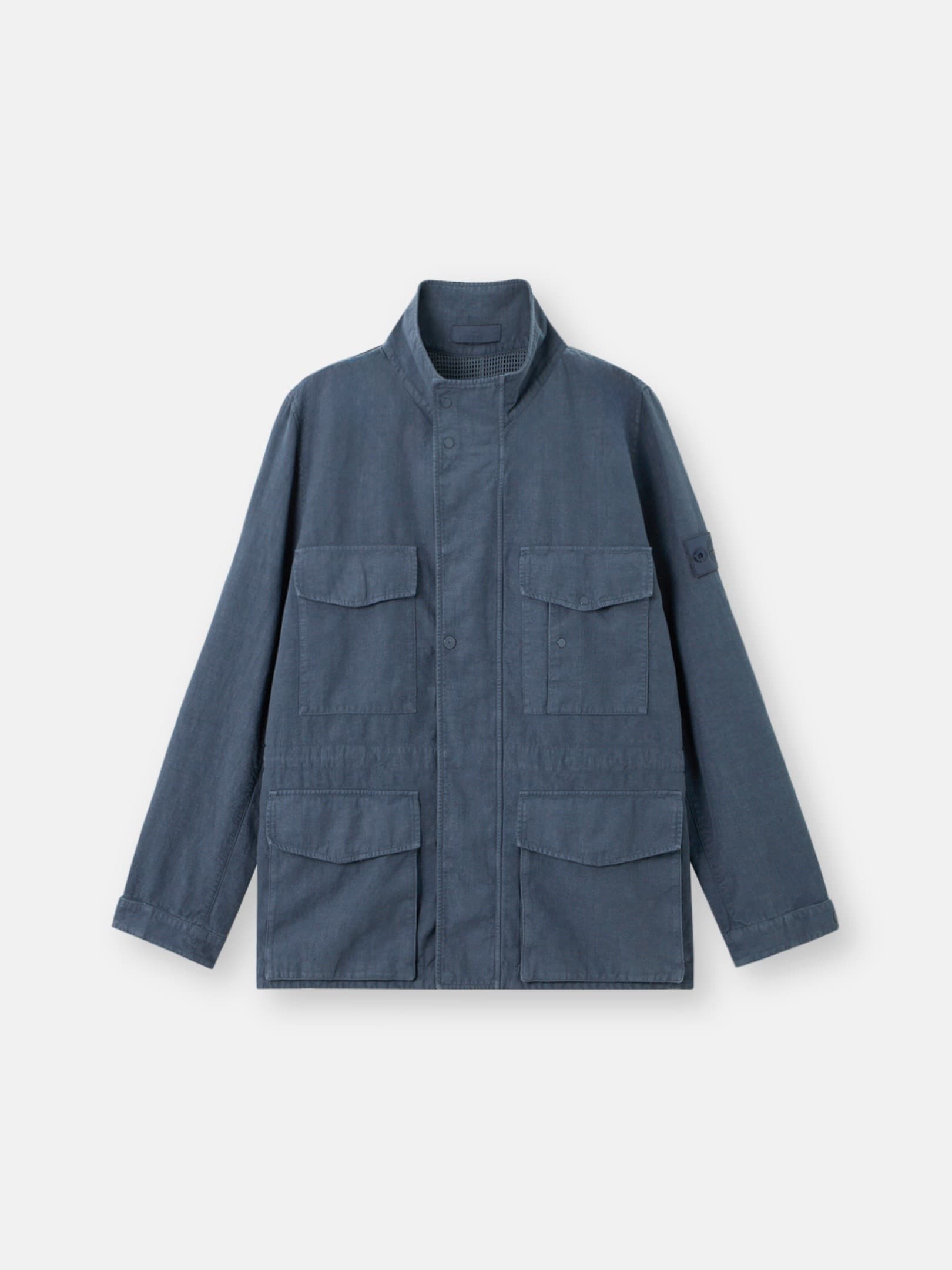
Linen has spent years being cast as the easy resort fabric, all sun-bleached softness and vacation polish. The sharper read now comes from streetwear: brands are using linen as a serious technical layer, pairing its dry hand and breathability with waterproof membranes, bonded constructions, and performance-minded finishing that looks far closer to gear than beachwear.
Linen, rebuilt for weather
Middle Distance’s FOG jacket is the clearest sign that linen is no longer being treated as a warm-weather compromise. The jacket laminates a chemical-free, bio-based waterproof and breathable membrane developed by Dimpora AG between Irish linen and a knitted nylon mesh lining, which gives the piece the structure of outerwear without flattening the character of the cloth. That combination matters because it keeps linen in the conversation for real summer protection, not just decorative seasonal dressing.
Dimpora’s membrane technology pushes the idea further. The company says the membrane is PFAS-free, solvent-free, designed for circularity, fully recyclable, and made with more than 60% bio-based material. It also describes the membrane as developed and engineered in Switzerland, which adds a hard-edged textile-lab credibility to a fabric most people still associate with creasing, dryness, and heat.
Why Stone Island keeps going back to fabric science
Stone Island has spent more than four decades building its identity around research, experimentation, and usability, so its embrace of linen feels less like a trend chase than a natural extension of the brand’s language. The archive tells part of that story: 60,000 dye recipes and an in-house fabric development operation in The Lab in Ravarino, Italy, make the brand’s color and cloth work unusually deep even by luxury streetwear standards.
That infrastructure shows up clearly in Stone Island Ghost for SS ’026. The line is presented in monochrome with a tone-matched badge, and the collection folds linen in alongside suede as part of a fully trans-seasonal offering. Stone Island says the range is inspired by camouflage and draws from Californian workwear, while the seasonal sand-like shade Corteccia takes its cue from worker gloves. That is a more useful way to think about linen on the street: not as fragile summer tailoring, but as a neutral technical surface that can absorb weather, utility, and disguise.
The campaign image sharpens the point. Former footballer Paolo Maldini appears in a Bonded Linen-TC Ghost piece, which gives the collection a disciplined, almost architectural feel. Bonded linen changes the fabric’s usual behavior, lending it the kind of body and crispness that lets it sit cleanly in a performance wardrobe rather than slouching into holiday wear.
What Loro Piana adds to the technical argument
If Stone Island makes linen feel engineered, Loro Piana makes it feel inherited and traceable. The brand says its linen garments draw on six generations of savoir-faire, and that heritage matters because it frames linen as a material of knowledge rather than nostalgia. The language around its linen is notably specific: the fiber is described as traceable, high-quality, and grown in Europe, which gives the cloth a provenance story that sits comfortably beside its performance claims.
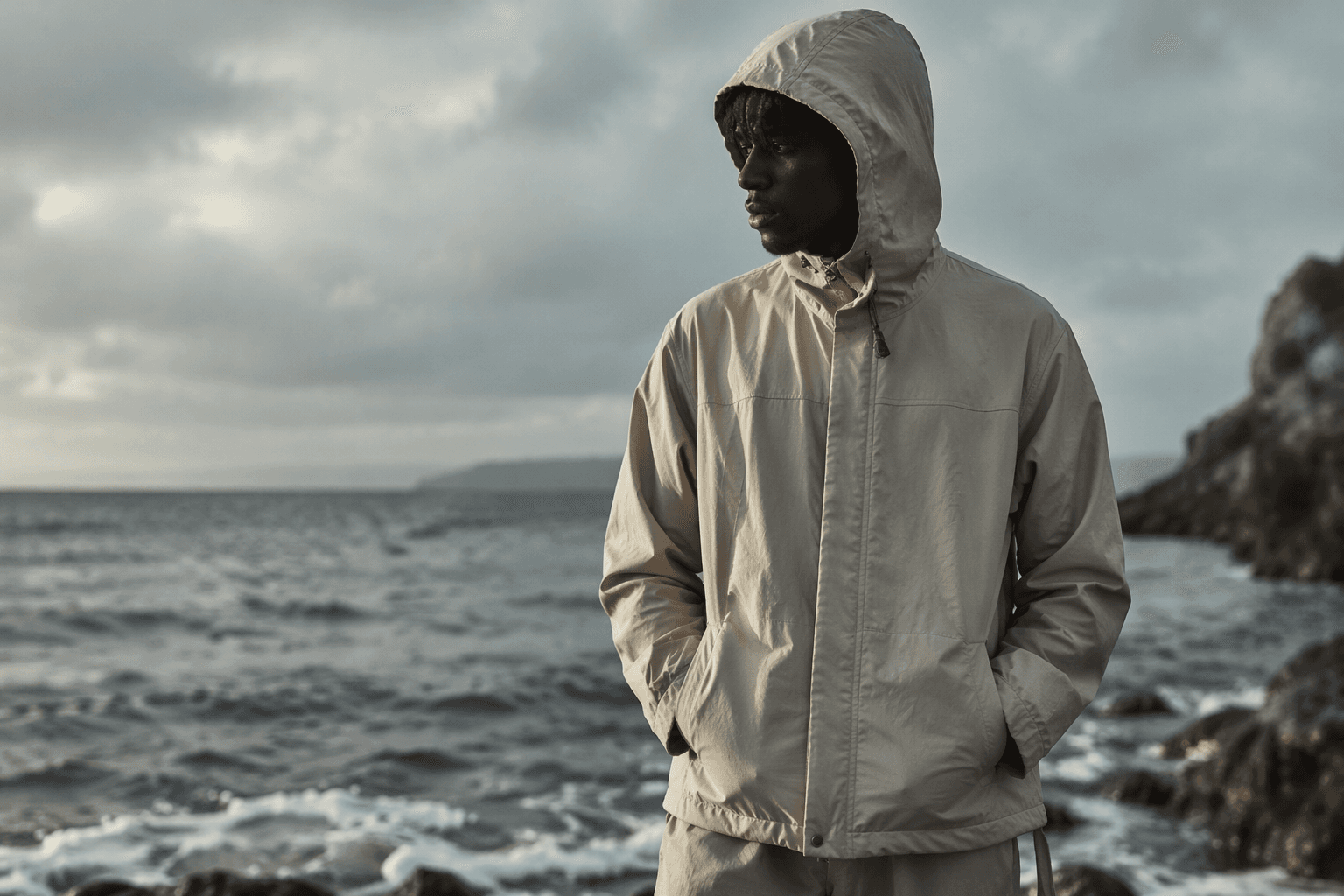
Loro Piana also makes a strong environmental and comfort case. European flax linen, the brand says, needs no additional irrigation beyond natural rainfall and is considered a restorative crop because it improves the soil in which it is grown. On body, the appeal is immediate: linen is valued for thermoregulatory qualities and moisture-wicking comfort, which is exactly why it works in the overlap between hot weather and technical dressing. The brand’s linen traceability journey is launching in March 2025, bringing that provenance angle into a more visible system.
How the fabric changes the summer outerwear equation
The practical payoff is easy to see if you compare these three approaches. Middle Distance uses linen as the face of a weatherproof jacket, Stone Island folds it into a monochrome performance-luxury code, and Loro Piana treats it as an elevated natural fiber whose comfort and supply chain can be documented. Together they make a strong case that summer outerwear does not have to default to shiny synthetics to perform.
That matters for anyone shopping for breathable layers that still look intentional. A linen shell with a bio-based membrane can handle rain without reading like a hiking jacket. A bonded or treated linen outer layer can keep shape and structure where ordinary linen would collapse. And a traceable European flax piece offers a cleaner, quieter version of technical dressing, one that relies on fiber quality and climate logic rather than overt hardware.
- If you want the hardest-weather version of the trend, look to membrane-laminated builds like Middle Distance’s FOG jacket.
- If you want the strongest streetwear coding, Stone Island Ghost delivers linen inside a monochrome, camouflage-minded system with utility in its bones.
- If you want the most refined version, Loro Piana’s linen treats performance as something measured through thermoregulation, moisture management, and provenance.
The larger shift is simple: linen is being recast as a material with range. In the right hands, it can be crisp, weather-aware, and urban, which is exactly why it now belongs in the same conversation as technical nylon, bonded shells, and the rest of summer’s hardest-working layers.
This article was produced by Prism’s automated news system from verified source data, official records, and press releases, then run through automated quality and moderation checks before publishing. The system is built and supervised by the people who set the standards it runs under. Read our full AI policy.
Did this article answer your question?