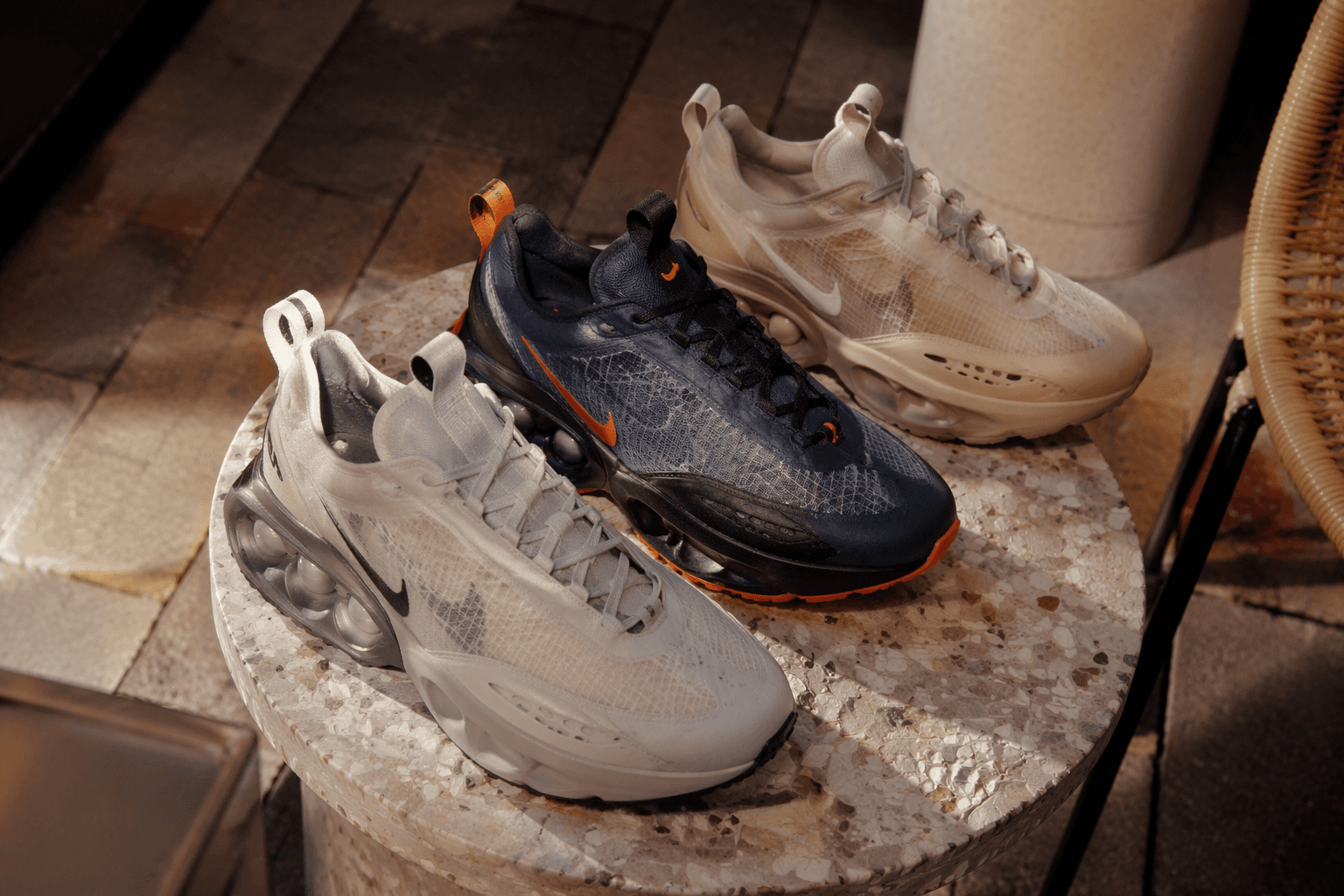
Menswear resets for 2026, quarter-zips, tailoring and earth tones lead
Menswear is cooling off, and that is good news for streetwear: quarter-zips, loafers, loose tailoring and earth tones are replacing logo panic.
The reset is not a retreat
The loudest thing in menswear right now is how much quieter it has gotten. After years of logo-first dressing, overbuilt technical shells, and outfits engineered to read hard on a feed, the new mood is softer, looser, and a lot more useful in real life. FashionBeans put the shift plainly: the most wearable looks are the ones men will still want in five years, not just this week.
That feels right because the market is getting more careful. McKinsey says fashion revenue growth is settling into the low single digits, with only 20 percent of fashion leaders expecting consumer sentiment to improve and 39 percent expecting conditions to worsen. Bain and Altagamma added another warning sign in June 2025, calling out the luxury sector’s first slowdown since the 2008-09 financial crisis, excluding Covid-19. Younger shoppers, especially Gen Z, are looking harder at price versus value, and that scrutiny is changing what feels worth buying.
What changed on the runway
Milan Men’s Spring 2026 made the new direction obvious. Buyers saw relaxed tailoring, vibrant colors, and a real break from rigidity. Sophie Jordan of Mytheresa said the season felt like a reset toward “more freedom, emotion, and ease,” and that is exactly the temperature shift you could feel in the clothes. It was less boardroom, more beach, with pajama dressing, sport-inspired looks, and getaway-ready resortwear all pushing the story forward.
The specifics matter. Lightweight fabrics showed up everywhere. Loafers mattered again, especially the light, flexible kind that do not fight the rest of the outfit. Deconstructed jackets, fluid pants, and unlined double-breasted tailoring gave suits some air and movement, which is why the whole thing looked less corporate and more lived-in. Retailers singled out Prada, Giorgio Armani, Ralph Lauren, Umit Benan, Brioni, and Brunello Cucinelli, while Bergdorf Goodman’s team pointed to Umit Benan’s pastel palette, linen, silk, and relaxed volume as the kind of clothes that can land with younger clients and older ones alike.
What that means for your wardrobe
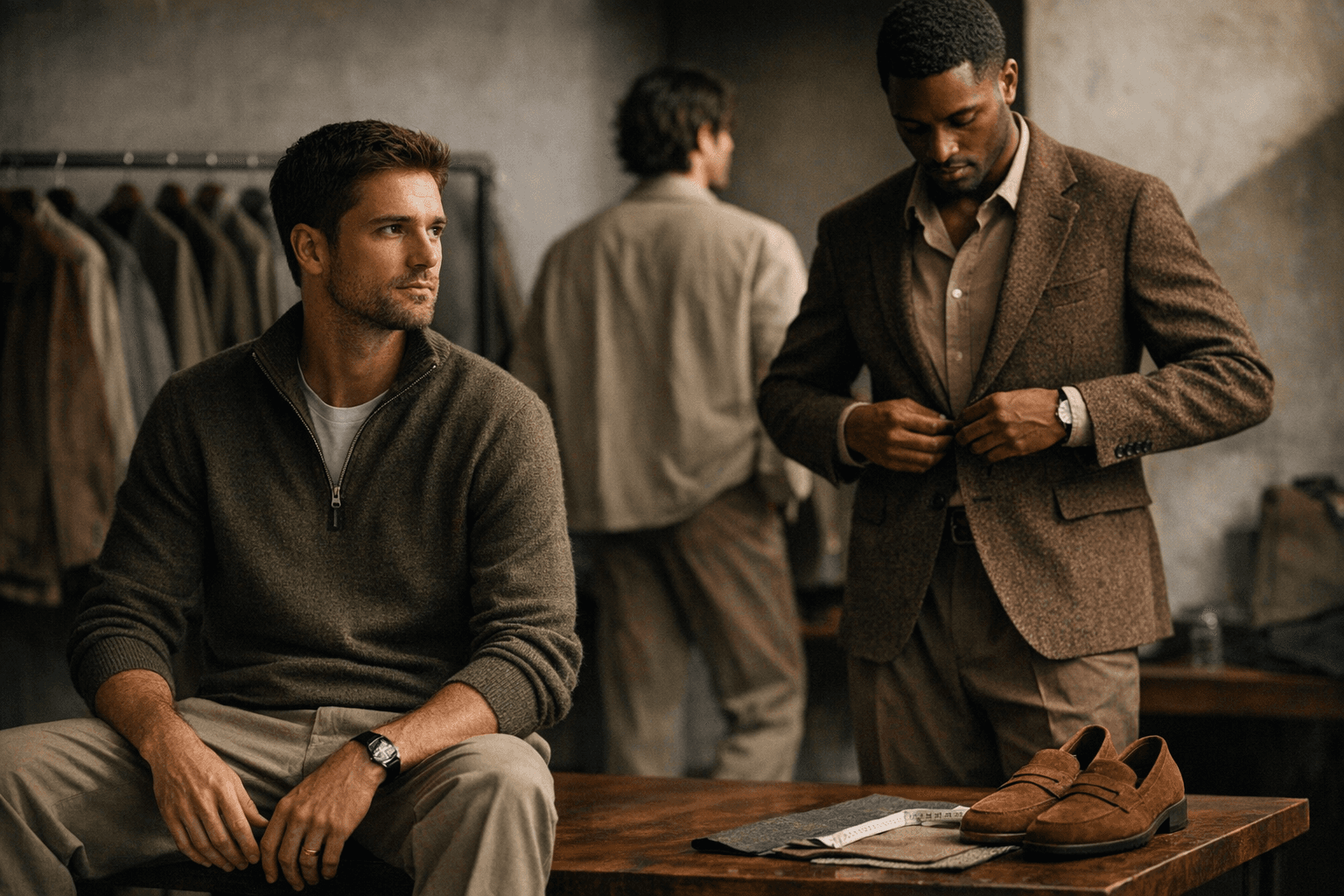
If you are translating this into actual dressing, start by ditching the idea that polish has to look stiff. Quarter-zips are part of the reset because they sit in that sweet spot between athletic and refined. They work layered under a jacket, over a tee, or on their own with trousers that have enough drape to keep things from feeling gym-adjacent.
Earth tones are the other big move, and they are not just about beige-on-beige minimalism. Think tobacco, olive, clay, moss, stone, and warm brown, colors that make cotton, linen, cashmere, and brushed wool look richer. Muted tones calm down a fit fast, which is why they matter so much in streetwear right now: they let the silhouette do the talking instead of screaming through graphics.
Then there is tailoring, which is still the backbone of the reset. The trick is looseness without sloppiness. Soft shoulders, room through the leg, jackets that skim instead of cling, and trousers that break cleanly all make the same point: you can look considered without looking trapped in a boardroom uniform.
Smarter shoes are doing a lot of the work
Footwear is where this trend gets practical. WWD made clear that Milan Spring 2026 buyers were paying attention to shoes, especially light, flexible loafers. That makes sense because loafers instantly shift an outfit away from sneaker dependence and toward something cleaner, sharper, and more adult, without going full dress shoe.
For streetwear readers, this is the easiest upgrade. A loafer with relaxed trousers and a quarter-zip feels current because it keeps the ease of casual dressing but adds just enough structure to read intentional. The same logic applies to minimal leather sneakers, suede slip-ons, and low-profile shoes that disappear into the outfit instead of dominating it.
Streetwear is not disappearing, it is growing up
The bigger story is that streetwear is no longer behaving like a separate planet. Business of Fashion called Human Made’s November 27, 2025 IPO in Tokyo a milestone in streetwear’s move from subcultural trend to mature fashion category. That matters because it reflects what is happening on the ground: younger menswear and streetwear labels are opening stores in downtown Manhattan, and the old social-media playbook is looking tired.
That shift is also why Stone Island and The North Face keep leaning into lifestyle and collaboration strategies. The customer still wants utility, identity, and a point of view, but the obsession with novelty for novelty’s sake is fading. The new streetwear winner is the brand that can move from a shell jacket to a knit to a trouser without losing credibility.
Why the second half of 2026 may get even cleaner
Milan Men’s Fall 2026 kept the reset going, but with a more formal edge. Buyers described a quieter return to formality, with tailoring softened or simply more buttoned-up. The tone was not nostalgic in a costume sense; it was about product integrity, timelessness, and clothes built to last.
That is the real lesson for streetwear. The habits are evolving, not vanishing. The logos are shrinking, the silhouettes are loosening, and the fabrics are getting better. Quarter-zips, earth tones, relaxed tailoring, and smarter shoes are not a surrender to tradition. They are streetwear finally admitting that ease, quality, and repeat wear are more powerful than hype, and that is where the next real wardrobe lives.
This article was produced by Prism’s automated news system from verified source data, official records, and press releases, then run through automated quality and moderation checks before publishing. The system is built and supervised by the people who set the standards it runs under. Read our full AI policy.
Did this article answer your question?