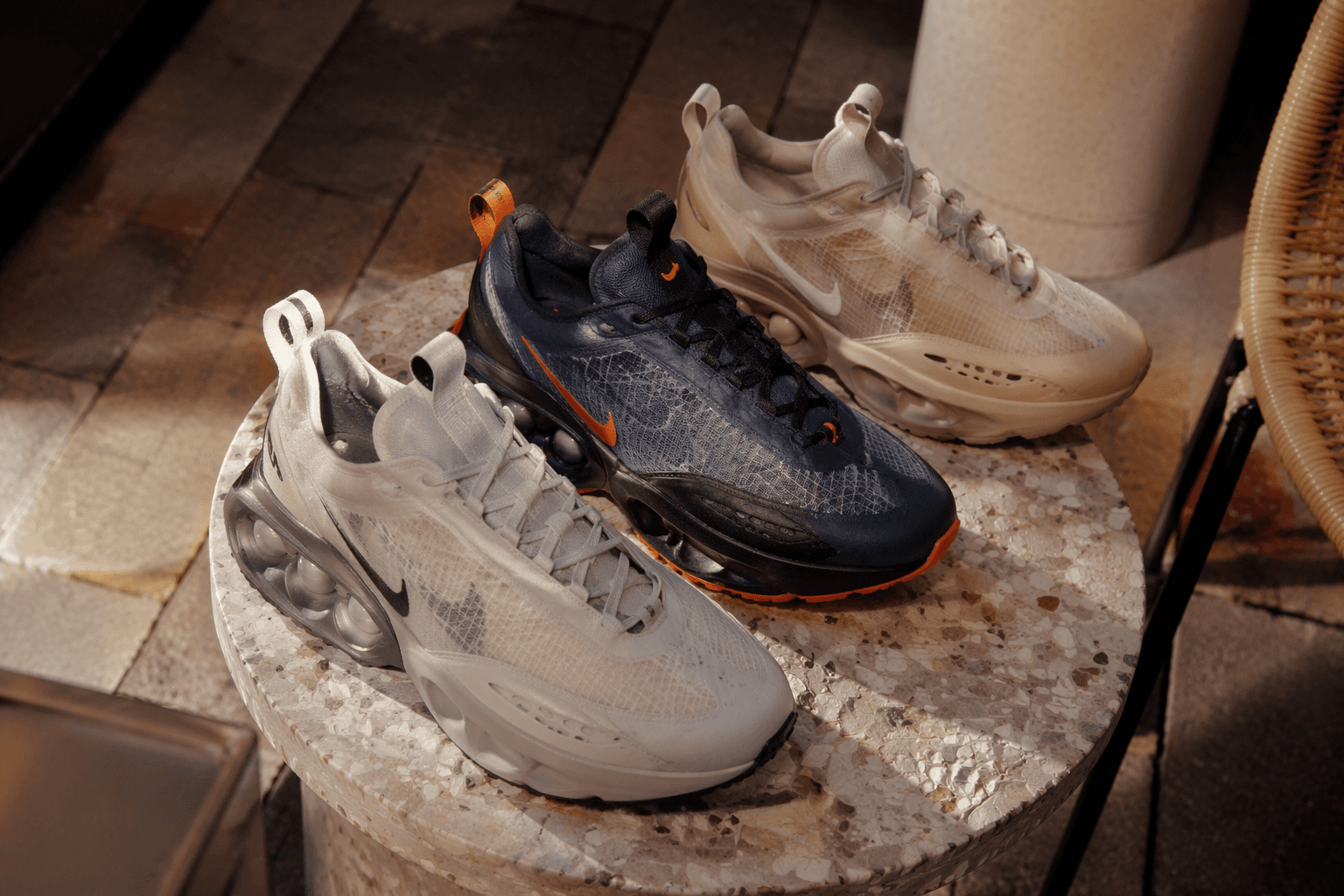
Nike and Zellerfeld unveil 3D-printed Airmax 1000.2 Black/Black through raffle
Nike’s Air Max 1000.2 Black/Black sharpened the 3D-printed formula with a cleaner lug outsole, then landed in a May 4-to-7 raffle and on SNKRS in North America.

The Air Max 1000.2 Black/Black stripped Nike and Zellerfeld’s 3D-printed experiment down to a laceless slip-on and a cleaner lug outsole, then put it into circulation through a May 4-to-7 raffle and a May 7 North America release on SNKRS. The appeal is not novelty for novelty’s sake. It is the sense that the shoe is trying to behave like a real daily sneaker, not a showroom model.
Zellerfeld positioned the 1000.2 as an evolution of the original 3D-printed Air Max 1000, itself a modern reworking of the 1987 Air Max 1. That lineage matters because the new pair keeps the familiar wavy, textured upper language that nods to the Air Max 1 mudguard, but recasts it in a one-piece build made from breathable TPU-based zellerFOAM. The result is sleeker and more immediate on foot, with the sort of slip-on convenience that streetwear buyers actually notice when they are dressing for the city, not the runway.
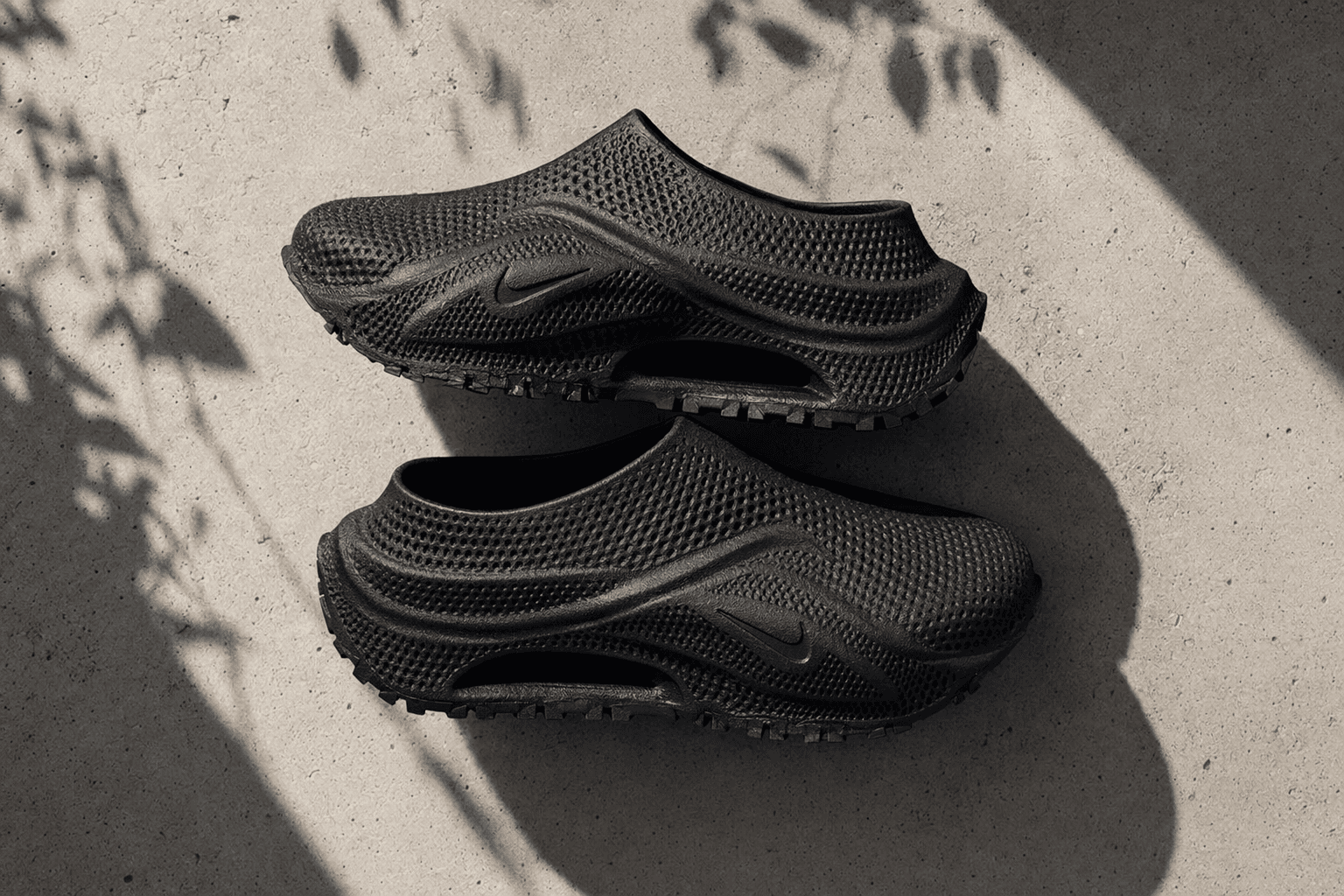
The changes underfoot are the real story. Zellerfeld said the outsole updates and refined lug design made the shoe faster to produce while maintaining comfort and wearability, a pragmatic tweak that cuts through the usual 3D-printing theater. The black colorway, identified by style code JF3484-001, also carried white AIRMAX 1000.2 branding on the visible heel air unit, a small but sharp graphic note that kept the all-black palette from feeling flat. Modern Notoriety noted the debut colorway’s all-black finish and the heel unit hit, which gave the pair just enough contrast to read from across a room.
Pricing told its own story. Zellerfeld listed the shoe at $179, marked it sold out, and cited an estimated 3 to 4 week delivery window. Other coverage placed the retail price at $200, which is a meaningful spread for a sneaker built around an experimental manufacturing process. Either way, the 1000.2 sat in a tricky lane: expensive enough to feel future-facing, but not so inflated that it became pure concept art.

The broader signal is Nike’s Air Works push, which is expected to bring designers from around the world into future 3D-printed Air Max ideas. That makes the 1000.2 look less like a one-off drop and more like a proof of concept for where Nike wants additive manufacturing to go next. For once, the future seems to be aiming for the closet, not the display case.
This article was produced by Prism’s automated news system from verified source data, official records, and press releases, then run through automated quality and moderation checks before publishing. The system is built and supervised by the people who set the standards it runs under. Read our full AI policy.
Did this article answer your question?