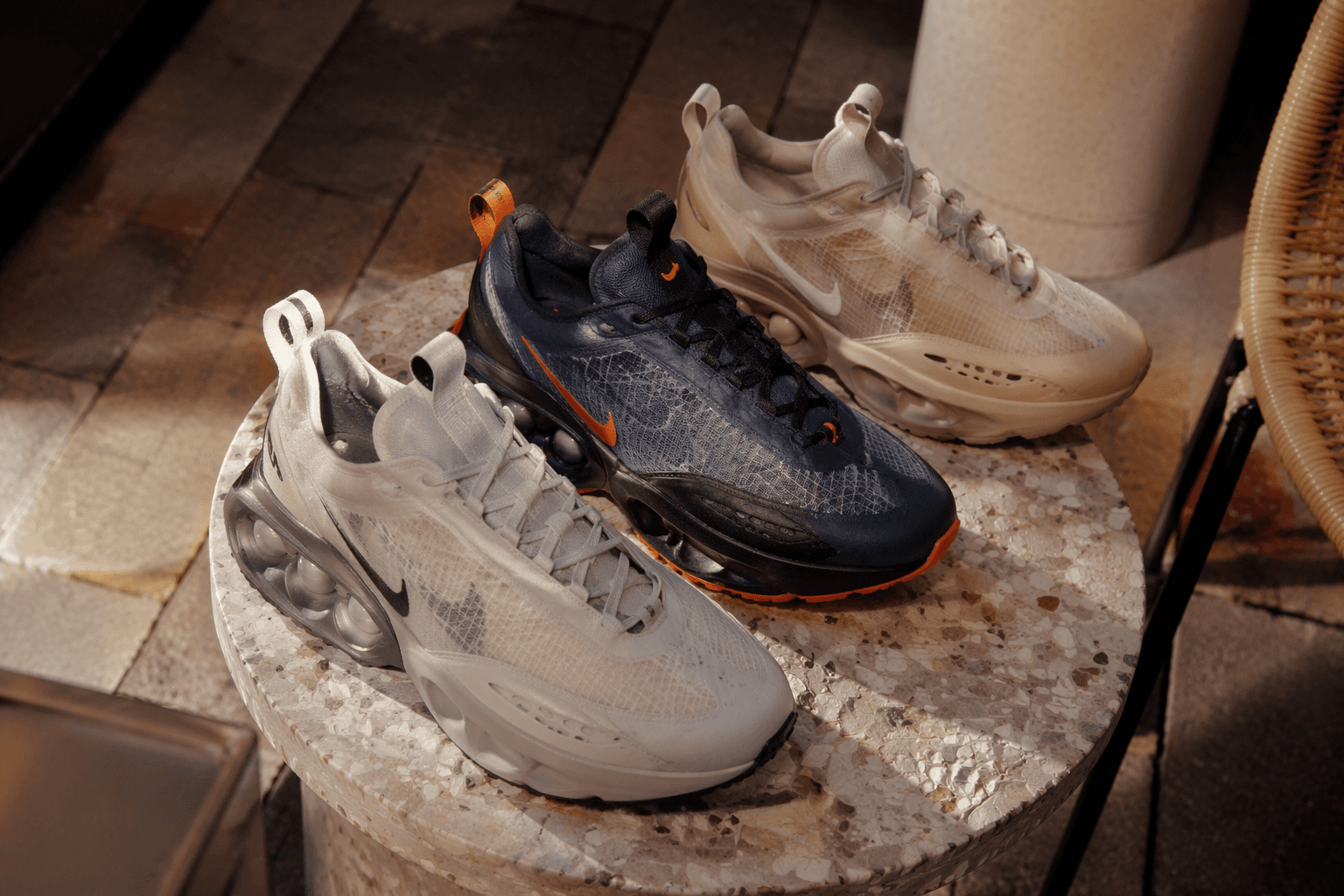
Nike drops Knicks-coded Air Force 1 exclusives for New York sneaker fans
Nike turned a Knicks-orange Air Force 1 into a SoHo-only status object, capped at one pair per customer and plugged into Sidetalk’s New York meme economy.

The pair mattered because you had to be in SoHo to get it. Nike’s Air Force 1 Low Retro NYC PRM Knicks turned a familiar white-on-air-force formula into a very specific New York object, with Safety Orange leather, Rush Blue Swooshes and heel tab, a white tongue tag, and NYC branding that made the sneaker read less like a colorway and more like a badge.
Nike priced the shoe at $130, which kept it in normal Air Force 1 territory instead of the inflated price band that usually comes with hype-chasing collabs. But the real value was access. The release was reportedly limited to Nike SoHo at 611 Broadway in Manhattan, the company’s new flagship that opened on April 16, 2026 after the old SoHo shop at 529 Broadway closed earlier this year. One report also put a 1-pair-per-customer cap on release day, the kind of rule that instantly turns a store drop into a line-item souvenir for the city’s sneaker crowd.
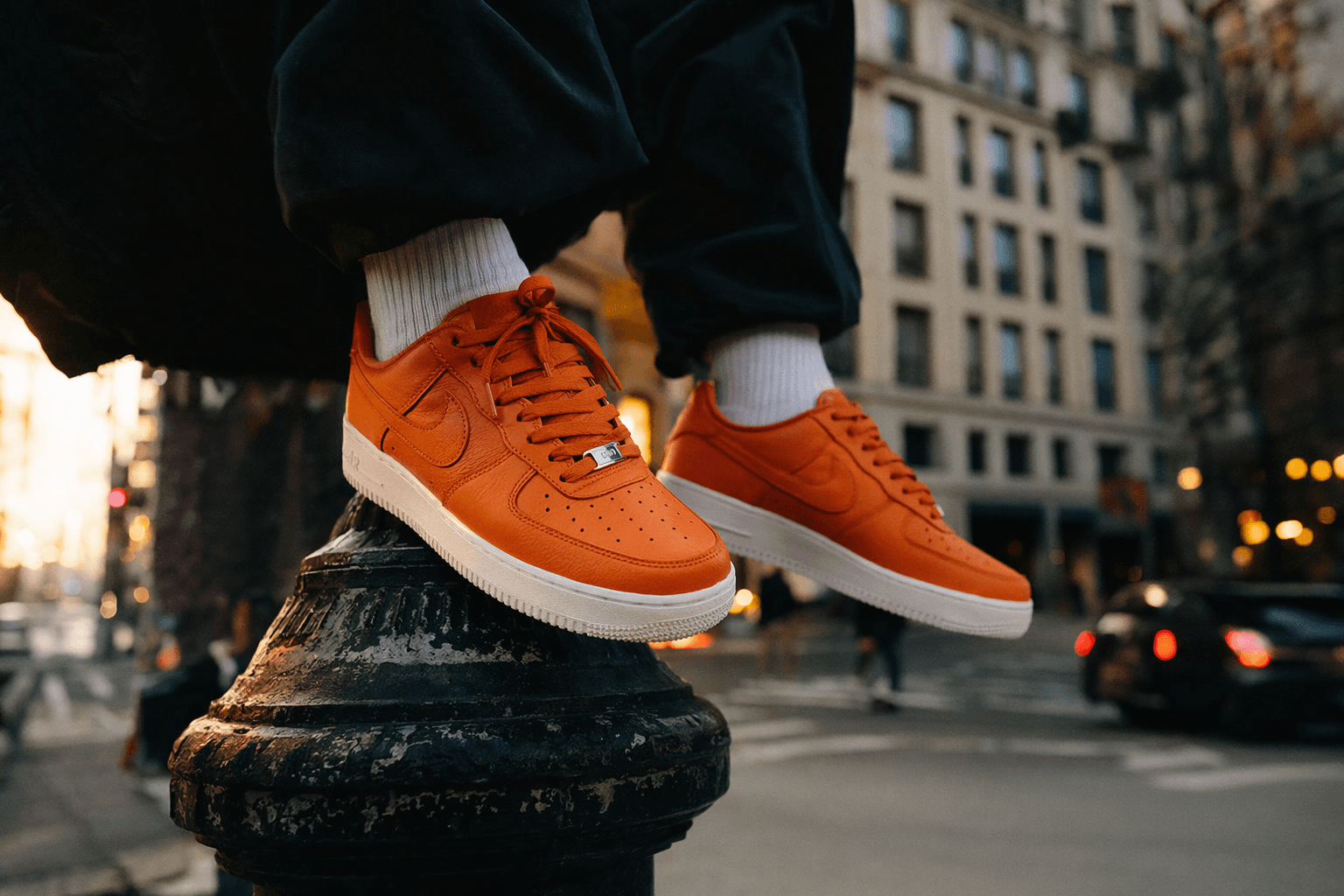
The timing was not random. The Knicks had just swept the Philadelphia 76ers 4-0 in the NBA’s second round, and Nike leaned straight into that momentum with a shoe that feels built for Madison Square Garden energy. This was not a broad-appeal launch aimed at every Air Force 1 buyer in America. It was a New York wink, a hoops-coded flex that used the city’s playoff buzz as fuel and made the sneaker feel tied to a very specific moment in Knicks culture.
Sidetalk NYC was part of that messaging, which makes perfect sense if you’ve watched how the account helped turn the Knicks meme era into a real cultural language. Launched in 2019 by Trent Simonian and Jack Byrne, Sidetalk helped push “Bing Bong” into the city’s everyday sports vocabulary, and Nike knew exactly what it was doing by tying that energy to an Air Force 1. The shoe lands as a tribute to New York sport culture, but also as a reminder that the city still responds to hyperlocal product drops when the references are sharp enough.
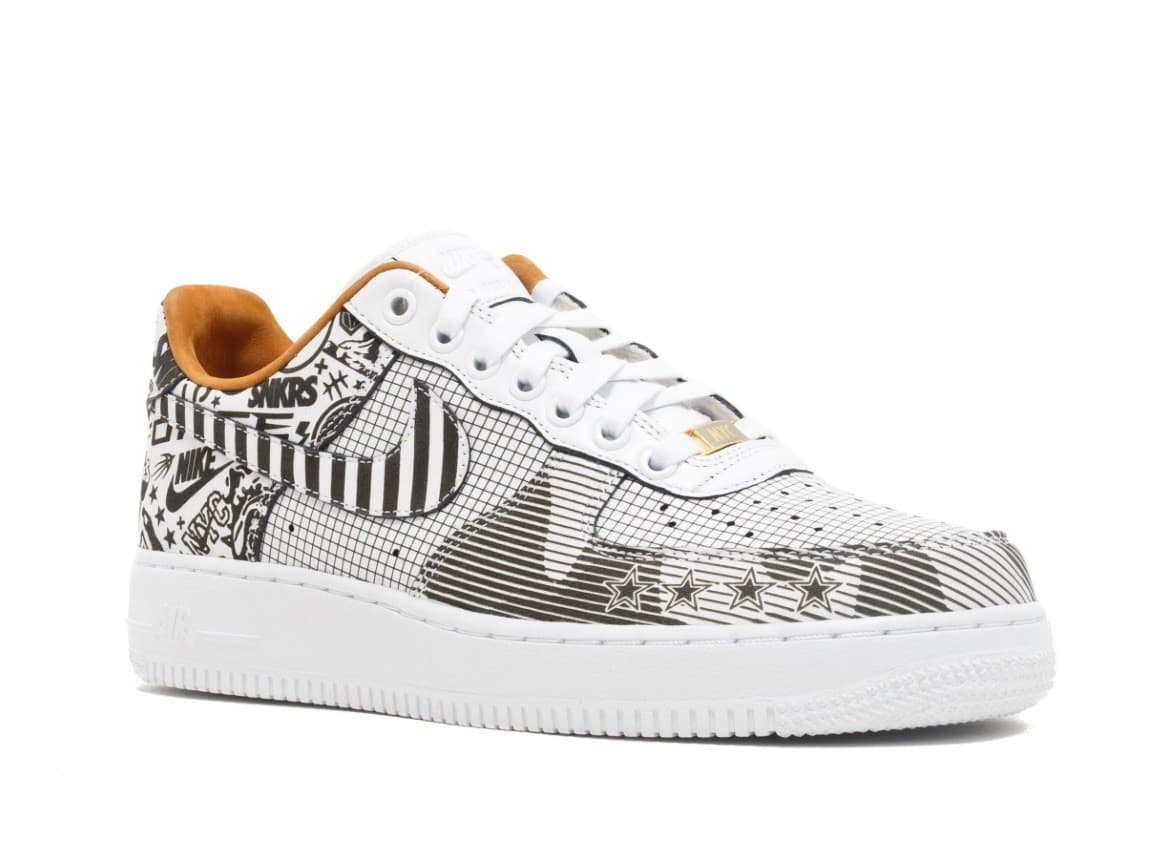
Nike’s framing for the Air Force 1 makes the choice even cleaner. The model debuted in 1982 and was the first basketball shoe to use Nike Air, before becoming a streetwear staple that can carry almost any story. Here, the story was pure Manhattan: Knicks colors, Sidetalk attitude, SoHo exclusivity, and a sneaker that felt less like a general release than a city-issued trophy.
This article was produced by Prism’s automated news system from verified source data, official records, and press releases, then run through automated quality and moderation checks before publishing. The system is built and supervised by the people who set the standards it runs under. Read our full AI policy.
Did this article answer your question?