Six Outfit Formulas That Make Streetwear Collab Drops Actually Wearable
Six outfit formulas that turn buzzy collab drops into actual outfits you'll reach for every week this spring.
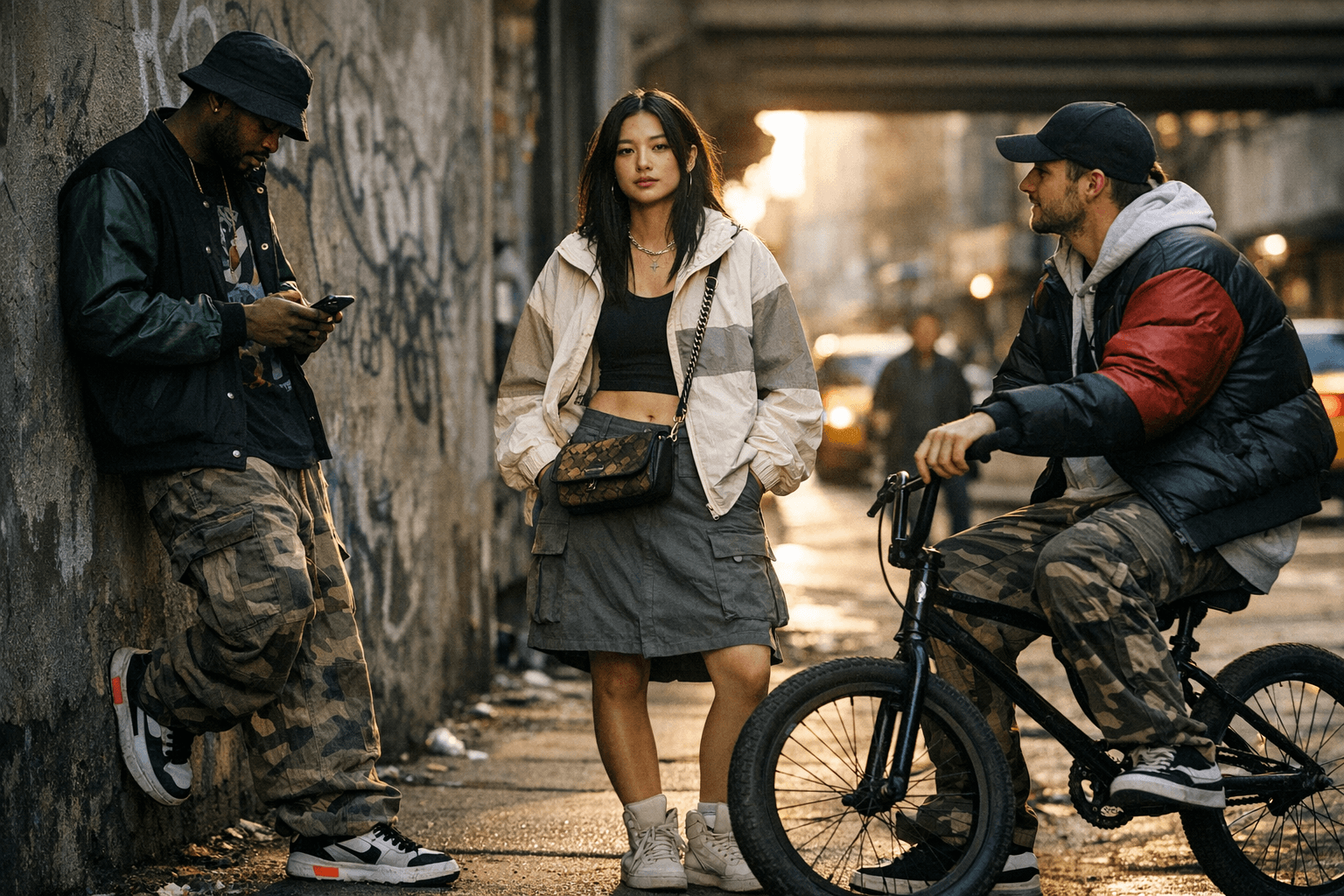
Collab drops move fast, but the styling decisions that make them wearable last all season. The streetwear calendar for Spring/Summer 2026 has been relentless: limited sneakers, co-branded outerwear, capsule tees, and statement caps landing week after week, each piece carrying enough visual noise that building a coherent outfit around it requires a real strategy. These six formulas are the ones that consistently work, tested against the full range of collab typologies dropping right now.
The Sneaker-as-Anchor Formula
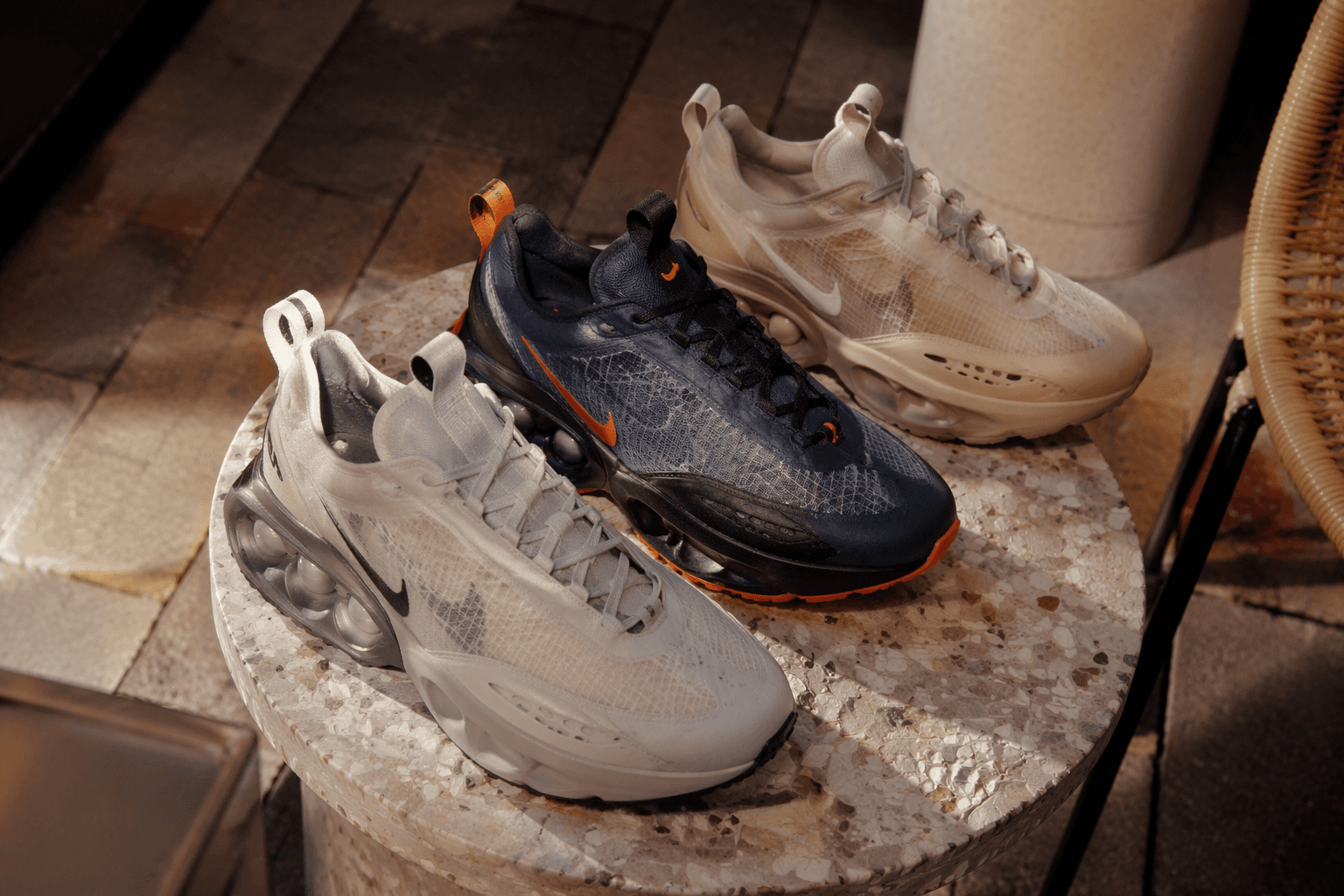
Start with the shoes and build upward. Collab sneakers, whether a chunky runner or a low-profile court silhouette, almost always carry the loudest design language in the drop: oversized co-branding, unexpected colorways, or material mash-ups that demand the rest of the outfit stay quiet. The move is monochromatic or tonal dressing from ankle to shoulder, with a single mid-layer, usually a heavyweight cotton crewneck or a washed canvas jacket, that shares one color from the shoe's palette. The sneaker does the talking; everything else is a well-chosen silence.
Where this formula breaks down is when wearers try to match rather than coordinate. Pulling an exact colorway from the shoe into a logo tee of the same collaboration turns the outfit into merchandise, not a look. Keep the silhouette clean and slightly oversized on top, straight or slightly tapered on the bottom, and let the shoe pop naturally.
The Collab Cap as the Only Statement Piece
Co-branded caps, particularly the six-panel and structured five-panel styles that dominated this season's drops, carry enormous branding load. The formula here flips the sneaker approach: the cap is the sole statement, and every piece below it earns its place by being virtually invisible. Think a plain white or cream heavyweight tee, relaxed straight-leg denim in a mid or dark wash, and a clean, unbranded sneaker in white, black, or a neutral earth tone. The outfit's visual logic is a deliberate triangle: interest at the top, calm in the middle, grounded at the foot.
This works especially well with caps that feature embroidered logos or tonal branding, where the craftsmanship rewards a second look. The mistake most people make is stacking a collab cap on top of a collab tee and a collab sneaker. That's not a fit; that's an inventory sheet.
The Outerwear Hero Formula
Collab outerwear, the coaches, the track jackets, the nylon bombers, presents a different structural challenge because it frames the entire silhouette. The formula that works: treat the jacket as a suiting-style hero piece and build a near-uniform underneath. A slim ribbed crewneck or mock-neck in a solid neutral, slim or straight dark trousers (denim or technical fabric), and a low-profile sneaker with minimal detailing. The jacket closes the outfit literally and figuratively.
The key is proportion: collab outerwear often runs boxy or oversized by design, so the layer underneath should be fitted enough to read as intentional layering rather than bulk. When the interior silhouette is tight and the exterior is relaxed, the whole outfit reads as considered. Resist adding a bag with competing logos; a tonal or solid crossbody keeps the focus on the jacket's design.
The Collab Tee as a Trojan Horse
Collab tees are the most accessible entry point and the easiest to wear wrong. The formula that elevates them: treat the tee as a print or graphic element the same way a fashion person would treat a vintage band shirt or an archival piece. Layer it under an open overshirt or a sheer technical shell in a complementary neutral, tuck the front hem loosely into wide-leg trousers or cargo pants with minimal pocket hardware, and finish with a clean sneaker that has one shared color note with the tee's graphic. The overshirt adds structure; the partial tuck creates a waist; the wide-leg bottom balances the graphic weight up top.
The reason this works better than the obvious collab-tee-and-jeans combination is that it frames the graphic rather than just displaying it. You're editorializing the piece, not just wearing the drop.
The Mixed-Collab Formula (Two Collabs, One Outfit)
The rule that almost everyone ignores: you can wear two collab pieces in the same outfit, but only if they belong to different categories and share no overlapping brand DNA. A collab sneaker from one partnership and a collab cap from a completely separate one can coexist cleanly because they occupy different parts of the silhouette and the eye reads them independently. The middle of the outfit, the tee, the trousers, the jacket if there is one, must be entirely unbranded or carry only the most subdued house marks. Think of it as two focal points with a neutral corridor between them.
Where this formula fails is when the two collab pieces are from competing aesthetics: a maximalist, cartoon-heavy sneaker paired with a tonal, minimal-branding cap creates visual cognitive dissonance. The two pieces should share a tonal family or a general design sensibility even if the brands involved are unrelated.
The Anti-Hype Formula: Collab Piece, Everyday Context
The most underused move in the collab playbook is deliberate understatement. Take a high-profile drop piece and wear it in the least hype-coded context possible. A limited collab windbreaker worn over a plain white Oxford shirt, pleated chinos, and white leather loafers. A collab sneaker worn with a midi skirt and a thin knit. A co-branded cap worn with tailored trousers and a relaxed blazer. The tension between the drop's cultural weight and the outfit's everyday register is exactly what makes the look interesting.
This approach requires confidence because it refuses to perform excitement about the piece. It says, implicitly, that this jacket or this shoe is just something you wear, not something you waited in line for. That quiet authority is, paradoxically, the most effective way to communicate genuine taste. The collab world is dominated by outfits built to signal acquisition; the anti-hype formula signals something harder to fake: perspective.
The practical rule across all six formulas is the same: one statement piece per outfit, a coherent silhouette that doesn't fight the statement piece's proportions, and a color story pulled from the collab item rather than imposed on top of it. Master those three constraints and almost any drop, regardless of how loud or niche the branding, becomes something you can actually get dressed in.
This article was produced by Prism’s automated news system from verified source data, official records, and press releases, then run through automated quality and moderation checks before publishing. The system is built and supervised by the people who set the standards it runs under. Read our full AI policy.
Did this article answer your question?