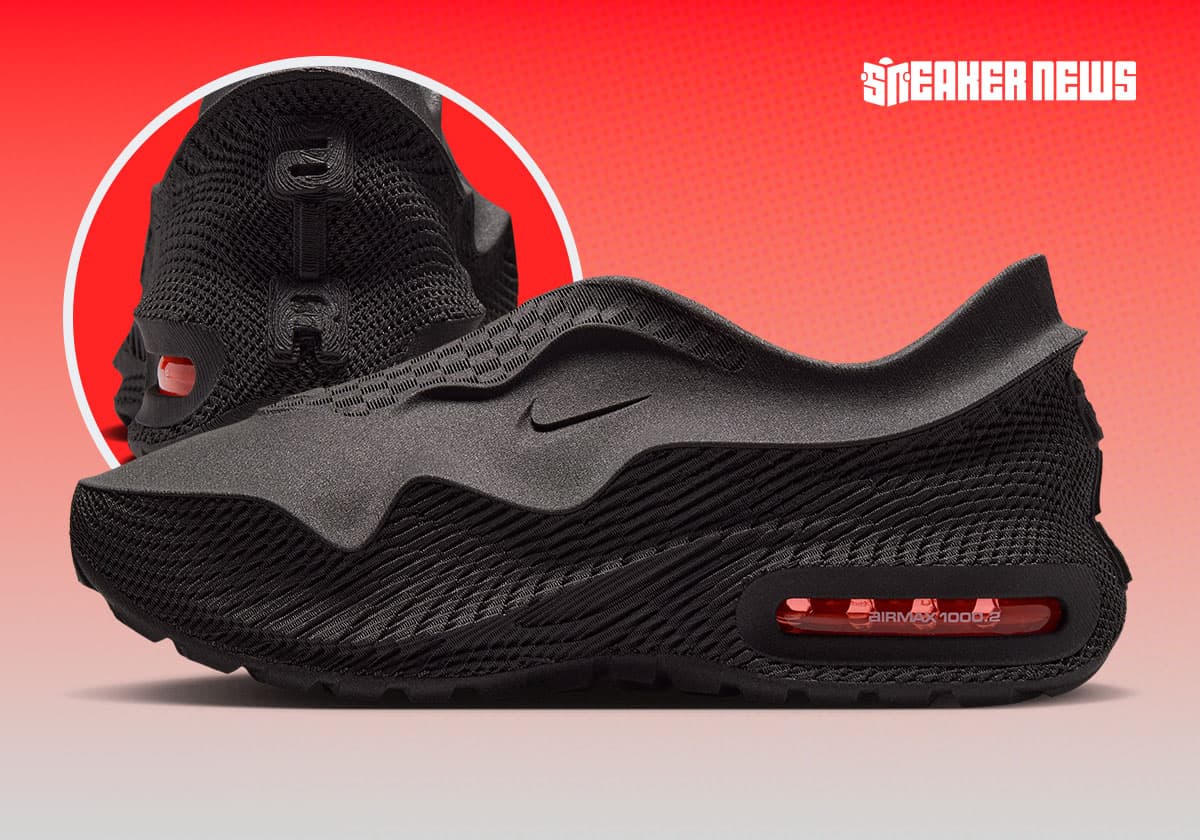
Streetwear Collabs With Anime, Gaming, and Music Are Dominating the Scene
Pop-culture collabs with anime, gaming, and music are reshaping streetwear — here's how to cop them before they sell out and style them after.
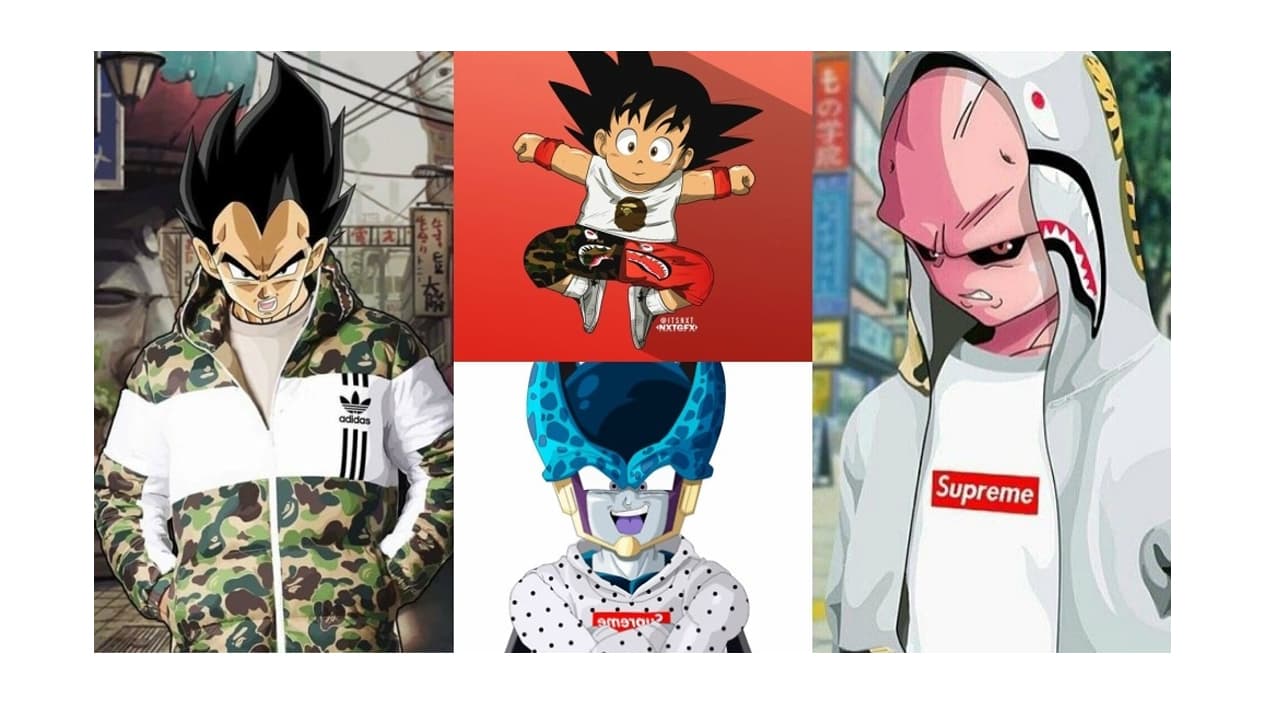
The collab drop has become streetwear's most reliable adrenaline hit. Anime graphics on chunky sneakers, gaming iconography screen-printed onto heavyweight fleece, musician-led capsules that sell out before the email confirmation lands — this intersection of pop culture and fashion is no longer a niche footnote. It is the main event.
Understanding how these collabs work, and how to move when they drop, is the difference between wearing the piece and watching someone else wear it.
Why Anime, Gaming, and Music Collabs Hit Differently
Pop-culture IP crossovers carry an emotional charge that purely fashion-forward drops rarely replicate. When a brand attaches itself to a beloved anime franchise, a defining video game, or a musician with a devoted following, it inherits decades of cultural loyalty in a single launch. The fan base arrives already convinced. That pre-existing devotion is precisely what makes these collabs so commercially volatile — they attract both dedicated collectors and casual buyers simultaneously, compressing demand into an impossibly short window.
The footwear and casualwear categories tend to generate the highest engagement in this space. A graphic tee or a collab sneaker sits at an accessible price point compared to, say, a luxury outerwear piece, which means the pool of potential buyers is enormous. That accessibility is a feature for the brands involved and a logistical challenge for anyone trying to secure the piece they actually want.
Monitor Staged Rollouts Before the Drop Date
One of the most underused tactics in chasing limited collabs is tracking how a brand stages its release information. Most major pop-culture partnerships do not announce everything at once. There is typically a teaser phase — a blurred image, a cryptic social post, a celebrity sighting — followed by a formal reveal, then a staggered series of pre-drop details: retail partners, regional exclusives, raffle windows, and finally the actual on-sale moment.
Each stage is an intelligence checkpoint. Following the brand accounts for both parties in the collab is obvious. Less obvious is monitoring the retail partners, because exclusive stockists often leak sizing, colorway, and pricing information before the brand's own channels do. If a gaming collab is confirmed at a specific retailer, that retailer's newsletter subscribers and app users frequently get early access or a 24-hour head start. Signing up is free; not signing up is expensive.
Understand the Authentication Landscape
The same cultural heat that makes a collab desirable makes it a target for counterfeiters. Anime and gaming collabs in particular attract sophisticated fakes because the source material is so visually specific — fans recognize the characters, but not everyone can identify a misregistered print or an off-spec sole unit.
Before resale prices climb and the secondary market floods with product, familiarize yourself with the legitimate item's construction details. Official collab product pages typically show the hang tag design, the interior label language, and any special packaging. Screenshot these before the drop. On the resale market, packaging condition and tag authenticity are the first indicators of legitimacy. For footwear specifically, the box label should match the shoe's stated size and colorway exactly; discrepancies there are a near-universal red flag.
How to Style the Pieces You Actually Cop
The mistake most people make with pop-culture streetwear is over-referencing the source material. If the collab is built around a specific anime, wearing it head-to-toe alongside franchise merchandise reads as costume rather than wardrobe. The stronger move is contrast: let the graphic piece or the collab sneaker be the single loudest element in an otherwise restrained outfit.
A collab hoodie with an oversized anime graphic sits best against straight-leg denim in a neutral wash and a clean, unbranded sneaker — or, conversely, against tailored trousers to create the high-low tension that streetwear does better than almost any other category. Gaming collabs that lean into utilitarian colorways (military green, washed black, stone grey) integrate more naturally into an existing wardrobe because the palette does the heavy lifting alongside the graphic. Music-driven capsules often carry a looser, more nostalgic silhouette that rewards vintage-influenced styling: wide-leg pants, layered knits, and worn-in leather accessories that echo the era the musician references.
The Resale Decision
Not every collab is worth holding. The resale market for pop-culture streetwear is genuinely unpredictable, and pieces that launch with enormous secondary market premiums can normalize within months as the cultural moment fades. Gaming collabs tied to a specific title release often spike at launch and cool quickly once the game's promotional cycle ends. Anime collabs linked to an ongoing series with a passionate, long-term fan base tend to hold their value longer because the IP remains culturally active.
If you are buying primarily to wear, none of this matters particularly. But if you are considering resale, the franchise's longevity is a more reliable indicator than the initial hype volume. A collab attached to a franchise that has been culturally relevant for two decades will almost always outperform a collab tied to a trend that emerged six months ago.
Building a Collab Wardrobe With Intention
The most stylish collab collections are not assembled randomly. They reflect a point of view: a consistent aesthetic thread that connects the anime reference to the gaming piece to the music capsule. That thread might be a color story (pieces that share a dominant hue), a silhouette logic (everything oversized, or everything fitted), or a cultural lineage (franchises and artists that share a visual or generational DNA).
Shopping with that framework in mind also protects against the trap of buying every collab simply because it dropped. Scarcity is a marketing mechanism as much as it is an organic condition. The piece that genuinely fits your wardrobe and your cultural references will always style better than the piece you bought because the resale premium felt urgent.
The pop-culture collab is not going anywhere. If anything, the appetite for this kind of release is accelerating as IP holders recognize streetwear as one of the most effective vehicles for reaching younger audiences. The drops will keep coming. The ones worth your time and money are the ones that mean something to you before the hype cycle begins.
This article was produced by Prism’s automated news system from verified source data, official records, and press releases, then run through automated quality and moderation checks before publishing. The system is built and supervised by the people who set the standards it runs under. Read our full AI policy.
Did this article answer your question?