Suicoke eyes a 20th-year reset as streetwear sandal hype cools
Suicoke is trying to graduate from cult sandal to design authority, using its 20th year, a broader lineup, and a cleaner brand image to reset the conversation.
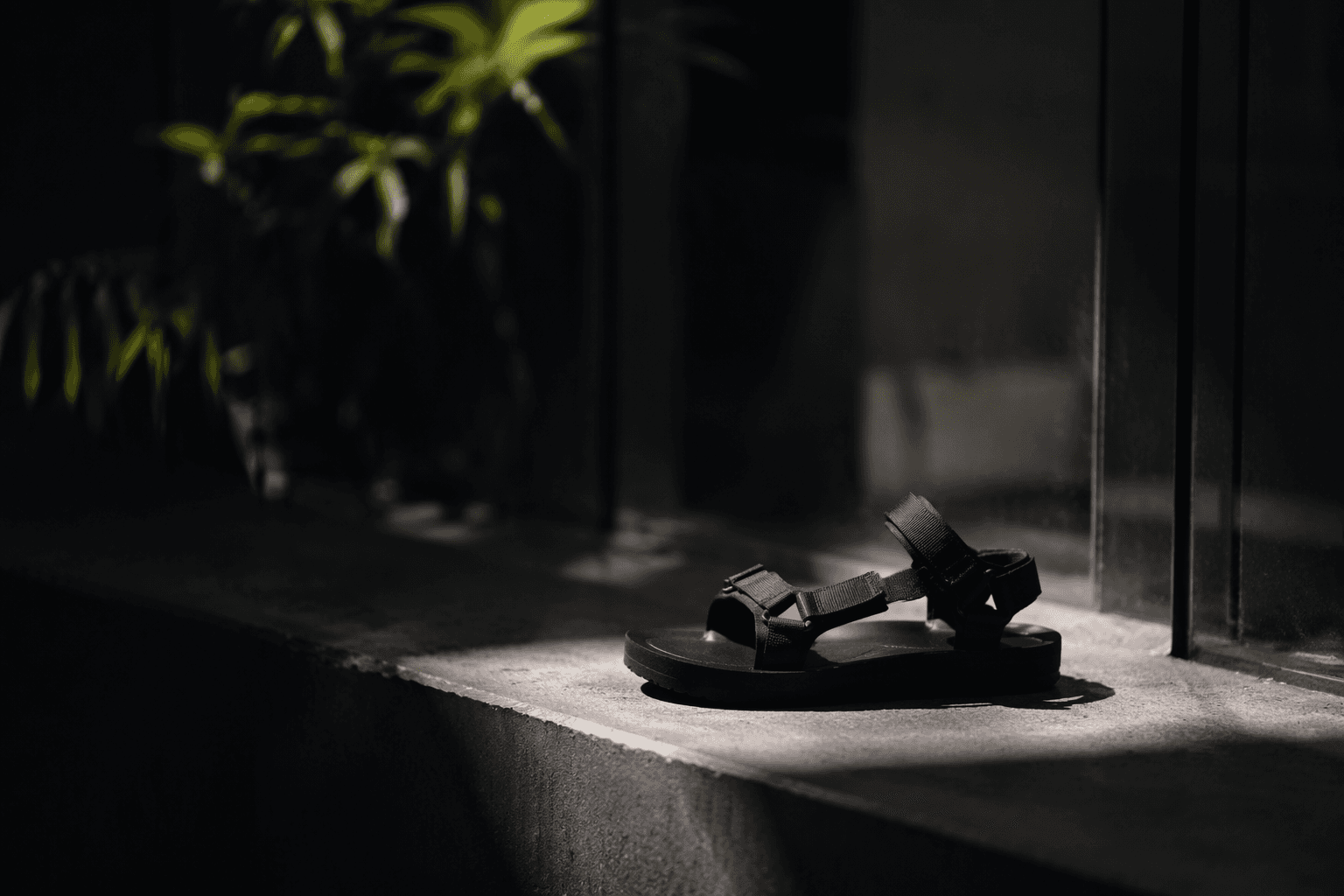
Suicoke’s next chapter starts with a simple but meaningful fact: the brand was established in 2006, which makes 2026 its 20th year. For a label that helped define the 2010s streetwear-footwear mood, that anniversary feels less like a victory lap than a relaunch. The easy-footwear boom has cooled, the sandal hype cycle has thinned out, and Suicoke is now trying to make the case that it was never only about comfort, but about a point of view.
A 20-year reset
The cleanest reading of Suicoke right now is that it is trying to be taken seriously on its own terms. The brand’s official language leans into design and functionality without convention, and that is exactly the sort of positioning a label needs when its old shortcut, being the cool sandal everyone wore with wide trousers and socks, no longer carries the same charge. A 20th anniversary creates a natural moment to tighten the story around what Suicoke makes, why it makes it, and why it should matter beyond a passing trend.
That matters because streetwear has grown less forgiving of products that live mostly off atmosphere. In the last cycle, a sandal could become a shorthand for taste simply by arriving at the right moment. Now the question is sharper: does the brand have a real design language, or only a useful silhouette? Suicoke’s answer seems to be that it wants the former, and it is using 2026 to prove it.
From cult sandal to streetwear fixture
Suicoke’s rise was built through collaboration, but not the kind that felt decorative. Highsnobiety has long linked the brand to releases with mastermind JAPAN, Tyler, the Creator, and BAPE, names that placed Suicoke squarely inside the language of streetwear rather than outside it. That mattered because it gave the sandal credibility with an audience that usually distrusts anything that looks too purely functional.
The brand’s reach widened further as it became foundational footwear for labels such as NEIGHBORHOOD and Carhartt WIP, while also being elevated by Lanvin, Moncler, and Missoni. That mix says a lot about the position Suicoke occupied at its peak: rugged enough for workwear-minded street brands, polished enough for fashion houses looking to soften their own edges. It is rare for one sandal label to move so fluidly between those camps, and that breadth helped turn Suicoke into a familiar name for anyone following the era’s uniform of cargo pants, overshirts, and technical layering.
Its Japanese identity was part of the appeal too. Founded in Tokyo, Suicoke arrived with the kind of utilitarian cool that made its offbeat silhouettes feel earned rather than manufactured. The brand’s cult status did not come from nostalgia or logo fever. It came from the sense that these were performance-minded objects with enough attitude to stand beside the most fashion-conscious wardrobes of the time.
Why the sandal boom cooled
The timing that once made Suicoke feel inevitable eventually turned against it. Highsnobiety has traced the brand’s acceleration to around 2019, when easy-footwear began taking over closets that had grown tired of hard-soled sneakers. During the COVID-era boom, comfort was not just an aesthetic preference but a lifestyle mandate, and Suicoke rode that wave as sandals, slides, and other foot-forward shapes became symbols of a new, more relaxed dress code.
But trends built on ease can be brutally fast to normalize. By around 2022, the market had moved on from discovery and into saturation. Birkenstock became the dominant name in the post-pandemic clog business, and outdoor brands were no longer a niche style signal but a mainstream summer-shoe option. In other words, the category Suicoke helped legitimate became crowded with stronger household names, and the brand lost some of the surprise that once made it feel sharp.
That retreat does not mean the product stopped being relevant. It means the cultural advantage shifted. When everyone is wearing something comfortable, comfort alone is no longer enough to distinguish a brand. The labels that survive are the ones that offer a clearer design stance, a more disciplined retail message, or a product matrix that feels bigger than a single shoe type.
What the reset has to prove
Suicoke’s current site suggests the brand knows this. The lineup now stretches beyond sandals into slides and shoes, while a dedicated prototype section signals a more experimental, development-driven mindset. That is not just a merchandising detail. It is a statement that Suicoke wants to be read as a design house with a range, not a one-note sandal label waiting for the weather to turn.
The partnership with Vibram also remains central to that argument. Suicoke says it works with Vibram on outsoles and footbeds, which gives the brand technical credibility at a moment when many comfort-led labels rely on vague claims of ease. Vibram is not a styling flourish. It is a serious marker of construction, and in Suicoke’s case it helps separate the brand from the purely decorative side of fashion footwear. If the company wants to be taken seriously, this kind of material and performance logic has to stay visible.
The real test is whether Suicoke can turn that technical foundation into a broader retail identity. A brand that once thrived because it was the sandal everyone’s favorite designer or streetwear label happened to touch now needs to show that its own name can carry the weight. That means making the sandals feel intentional rather than merely familiar, making the shoes feel like part of the same design universe, and making the prototypes feel like a genuine laboratory rather than a branding exercise.
The authority question
This is the moment where Suicoke either becomes more interesting or more generic. If it keeps leaning only on the memory of its 2010s halo, it risks becoming one more comfort-culture relic with good timing in its history. If it uses its 20th year to sharpen the product, widen the category, and keep the collaboration story secondary to the house language, it has a real chance to evolve into something sturdier.
That is what being taken seriously means here: not bigger hype, but clearer authorship. Suicoke has already proven it can make the right people pay attention. The harder task is making sure they keep looking when the sandals are no longer the trendiest thing on the shelf.
This article was produced by Prism’s automated news system from verified source data, official records, and press releases, then run through automated quality and moderation checks before publishing. The system is built and supervised by the people who set the standards it runs under. Read our full AI policy.
Did this article answer your question?