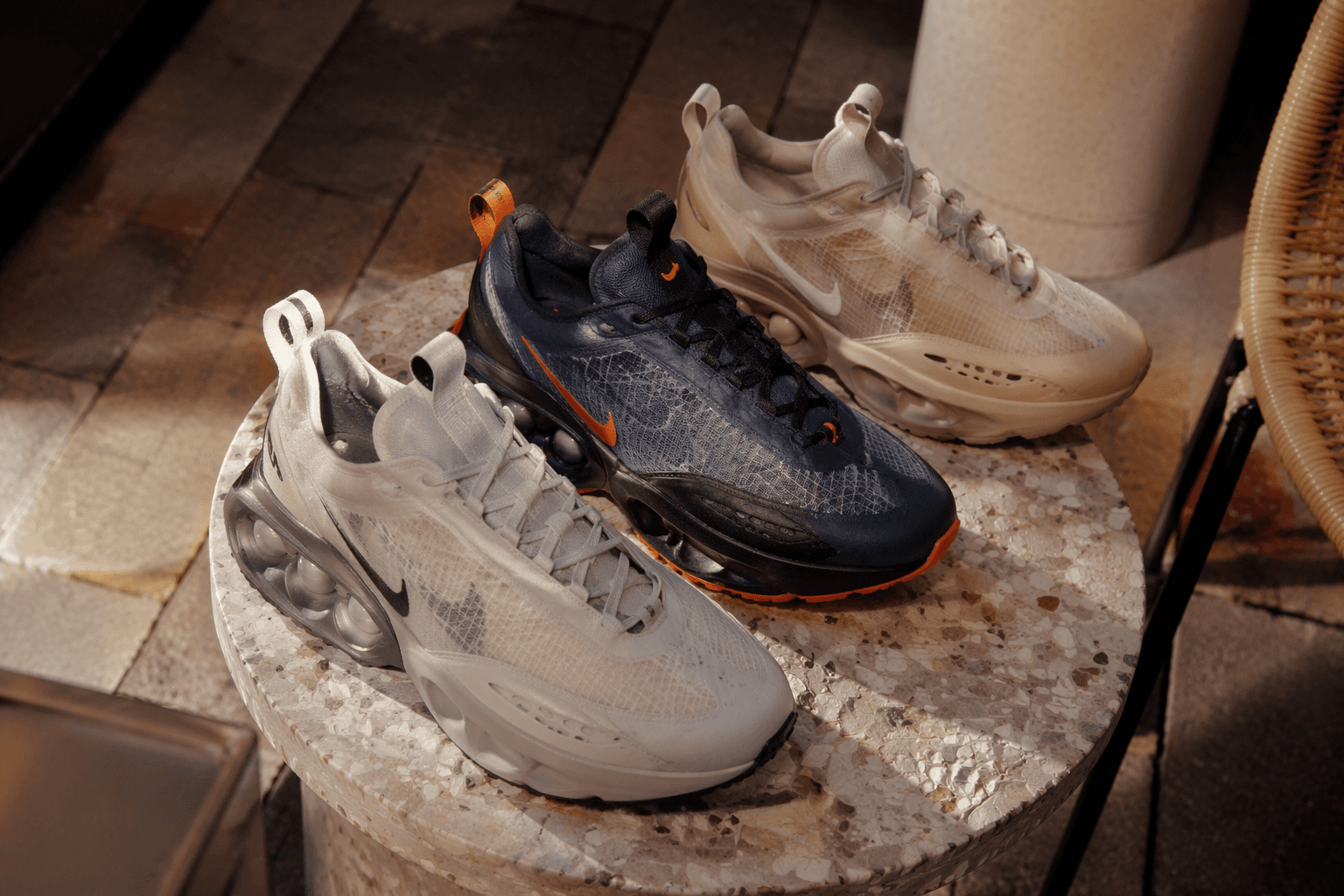
Vans and Zalando remix skate staples with art-forward collaboration
Vans and Zalando dropped an art-led skate capsule on June 22, fronted by Ibby Njoya, Daria Riya Dash and Ouri Riou. The real test is whether disruption reads as culture or just clever packaging.
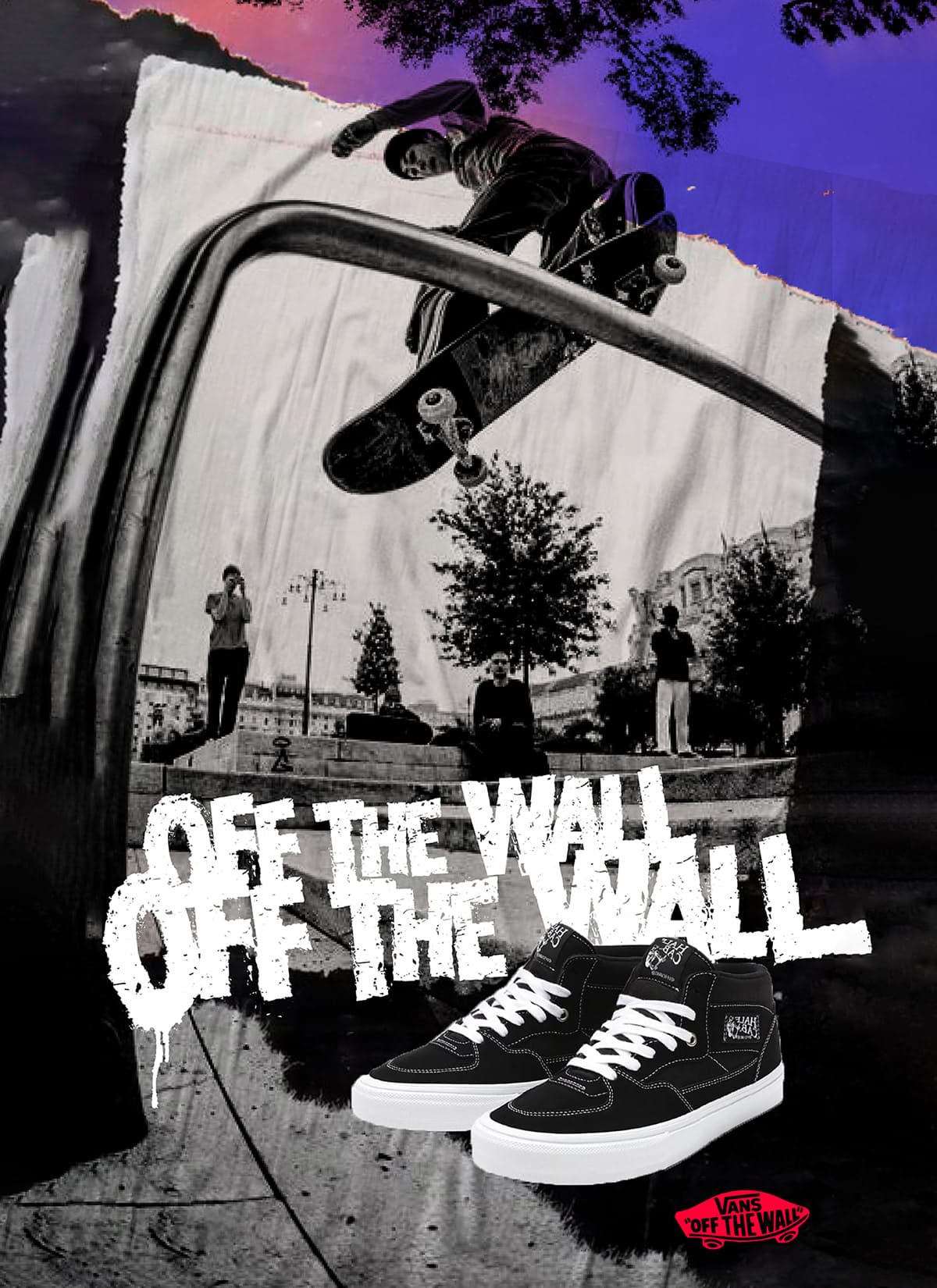
Vans and Zalando turned to set and spatial designer Ibby Njoya, movement artist Daria Riya Dash and musician-producer Ouri Riou to give a familiar skate wardrobe a more theatrical pulse. The collection landed on Zalando on June 22, and its sharpest idea was not a radical redesign of Vans, but a re-framing of the brand’s most recognisable pieces through the language of disruption.
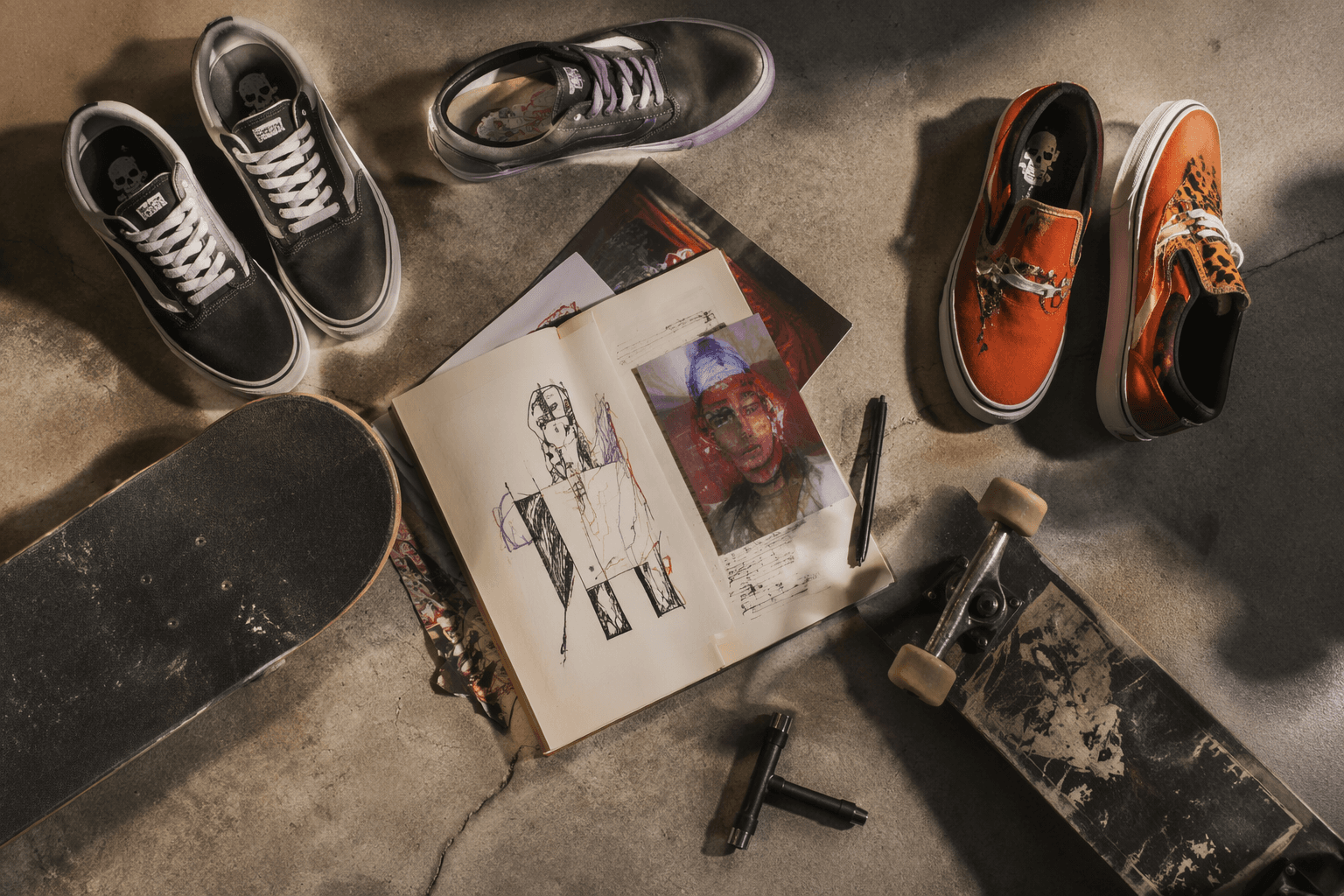
That matters because the clothes themselves sit close to the Vans core. Authentic deck shoes, Slip-Ons, loafers, denim and graphic basics form the backbone of the drop, while the campaign’s Go Off the Wall concept casts artistic expression as a force that interrupts the status quo. In practice, that gives the release a cultural argument: these are not skate staples being prettied up for fashion’s sake, but staples presented as tools for movement, staging and self-definition.
Vans has the history to make that claim believable. The company was founded on March 16, 1966 in Anaheim, California, by Paul Van Doren, Jim Van Doren, Gordon Lee and Serge Delia. The Authentic, born as the #44 deck shoe, was one of the original signatures. The Era arrived in 1976, the Old Skool followed in 1977, and Classic Slip-Ons became an icon through Southern California skate and BMX culture. When a label with that lineage talks about disruption, it is speaking from the inside of its own archive rather than borrowing streetwear vocabulary from elsewhere.
The more important backdrop is OTW by Vans, the brand’s collaborative space built to push art, design, music and skateboarding forward. That platform has been busy through late 2025 and 2026, with projects involving Julian Klincewicz, Satoshi Nakamoto, OAMC, Parra and Undercover. This cadence suggests Vans is working hard to keep its flat silhouettes and vulcanised classics in the luxury and fashion-week conversation, where skate shoes now read less like utility and more like cultural signifiers.
Zalando gives the collaboration scale to match the styling ambition. The retailer said it had 62.0 million active customers in 2025, processed 278.6 million orders and generated €12.346 billion in revenue. That reach helps explain why this drop matters beyond a niche skate audience: it puts a heritage brand’s most familiar forms in front of a vast European fashion consumer base.
The result is persuasive because the casting and concept do real work. Still, the collection’s credibility rests on a narrow edge: it feels like a streetwear narrative when the artists and archive are allowed to lead, and like creative-language packaging when the product simply stays at the level of a logo refresh. Here, Vans at least comes closer to the former.
This article was produced by Prism’s automated news system from verified source data, official records, and press releases, then run through automated quality and moderation checks before publishing. The system is built and supervised by the people who set the standards it runs under. Read our full AI policy.
Did this article answer your question?