Cascale maps Higg Index to tougher global sustainability laws
Cascale’s new map shows fashion compliance is no longer one rulebook. Across 21 laws, the pressure is now on traceability, supplier control, grievance channels and disclosure timing.
The new fashion compliance playbook is not a mood board. It is a legal patchwork that now reaches from Brussels to Bangladesh, and Cascale is drawing the map. Its 2026 Global Due Diligence and Sustainability Reporting Legislation Report tracks 21 laws across Europe, the United States, the broader Americas and Asia-Pacific against parts of the Higg Index, turning a once-broad sustainability tool into something closer to an operator’s field manual.
That matters because the old divide between voluntary sustainability language and hard legal duty is fading fast. Cascale says the Higg Index now serves more than 24,000 organizations across 33 countries, with over 40,000 users overall, which means the shift is landing inside design studios, sourcing offices, mills, factories and compliance teams at the same time. The question is no longer whether a brand can talk about responsibility. It is whether it can prove it, document it and keep pace when rules differ by market.
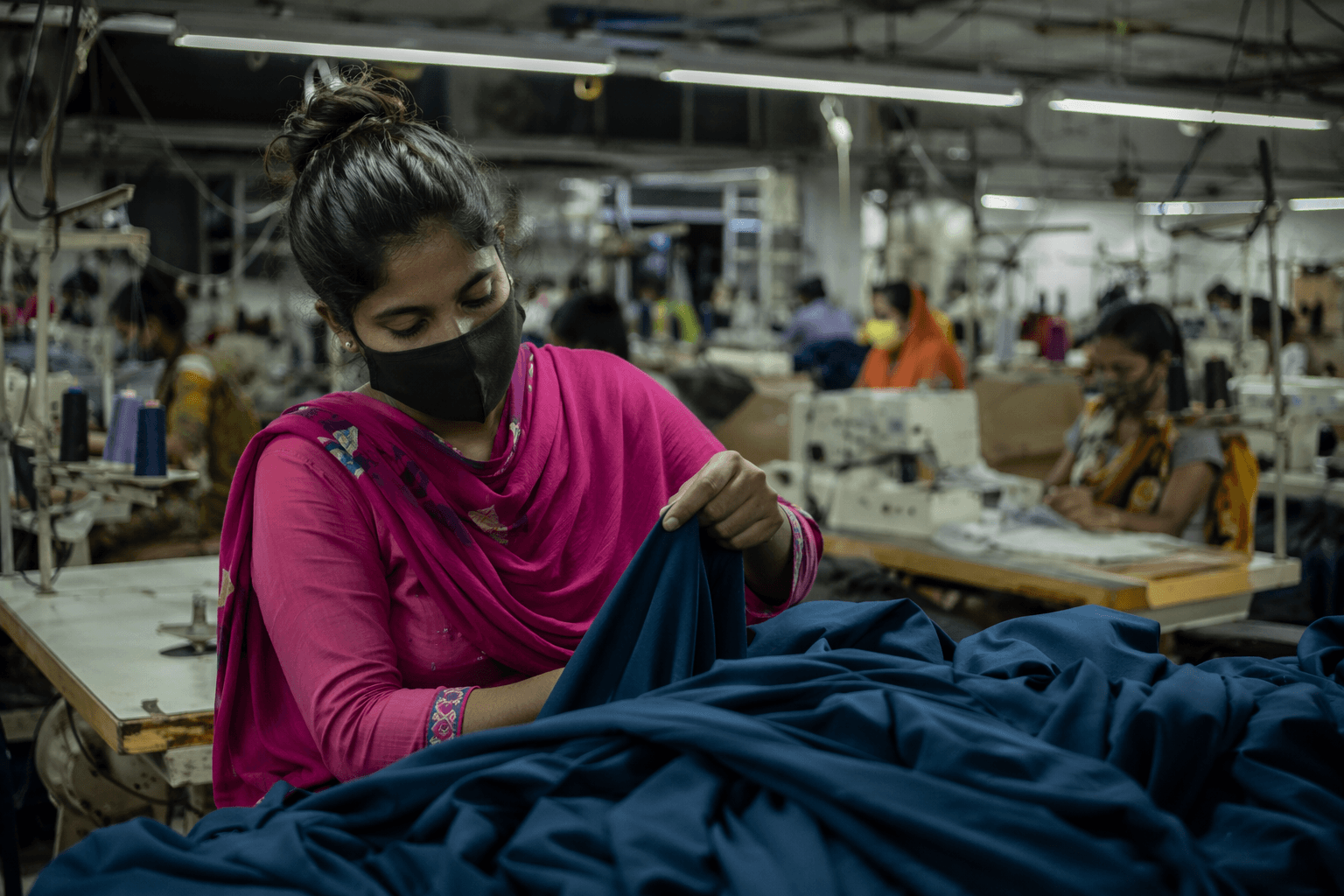
The pressure points are easy to name and much harder to fix. Traceability has become the backbone of due diligence, especially as companies are expected to show where materials came from and how suppliers were chosen. Supplier oversight is under sharper scrutiny as regulators and campaigners push brands to own purchasing practices, labor conditions and environmental impacts deeper in the chain. Grievance systems are moving from decorative policy pages to operational necessities, because complaints have to be visible, accessible and connected to remediation. And disclosure timing now matters nearly as much as disclosure content, particularly when reporting cycles, assurance demands and value-chain limits do not line up neatly across jurisdictions.
Cascale has been building toward this moment for years. In March 2024, it said a webinar series would guide more than 24,000 Higg Index users through compliance with EU and national legislation. By March 2026, its Brussels roundtable on CSRD implementation was describing sustainability reporting as moving from a voluntary activity toward something closer to financial reporting, while flagging the strain points that fashion executives know all too well: data infrastructure, assurance, proportionality, supplier engagement and the value-chain cap.
The timing is especially telling. The EU Corporate Sustainability Reporting Directive entered into force on January 5, 2023, followed by the Corporate Sustainability Due Diligence Directive on July 25, 2024. Then came the European Commission’s 2025 Omnibus package, which aims to reduce the burden by amending both CSRD and CSDDD. In other words, the rules are hardening and being softened at the same time, which is exactly the kind of regulatory whiplash fashion operators underestimate.
That backdrop carries the weight of Rana Plaza, the April 24, 2013 collapse that killed 1,134 workers and helped drive the global demand for mandatory human-rights due diligence. It also explains why the OECD Forum on Due Diligence in the Garment and Footwear Sector remains such a key annual convening for governments, brands, trade unions, civil society and international organizations. Fashion is no longer being asked to make nice statements about sustainability. It is being asked to build systems that can survive scrutiny.
Know something we missed? Have a correction or additional information?
Submit a Tip