Compostable fashion faces certification gaps and home composting limits
The pretty promise of soil-return fashion breaks at the bin: labels, certifications, and backyard piles rarely line up.

Compostable fashion sells a beautiful afterlife. A garment or sneaker is supposed to leave the closet and rejoin the garden, but that only works when the fiber, the finishes, the certification, and the disposal route all match. Right now, they often do not, which is why the most important question for brands and policymakers is not whether compostable collections look progressive, but whether they actually reduce textile waste or simply hand the burden to consumers and broken infrastructure.
What compostable fashion really requires
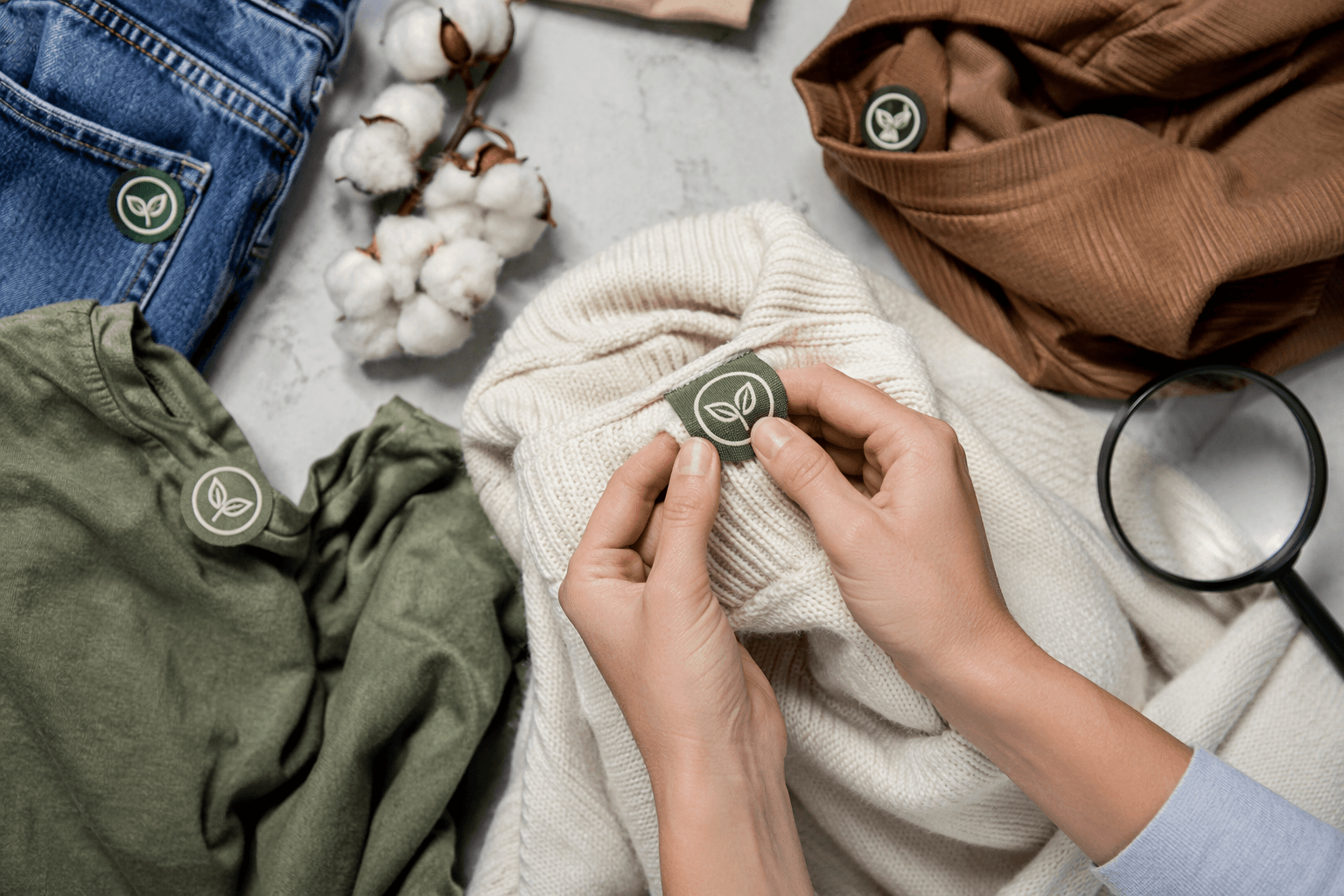
The first thing to understand is that compostable does not mean “anything natural.” In fashion, the best candidates are 100% natural fibers such as organic cotton or hemp, yet even those are not automatically ready to disappear cleanly. A recent scientific review found that cellulosic fibers like cotton and flax break down more easily than protein fibers such as wool and silk, while chemical finishes can slow or block composting altogether. That matters because most garments are not pure, untouched fiber swatches. They are built with dyes, coatings, linings, threads, and trims that complicate the end-of-life fantasy.
There is proof that natural textiles can decompose under controlled conditions, but the keyword is controlled. A 2025 study on viscose, cotton, and linen found complete degradation in outdoor composting and home-scale vermicomposting by month two, while a controlled composting setup took longer. That is a very different reality from dropping a dress into an ordinary backyard heap and expecting a tidy return to soil. Fashion loves the romance of a disappearing hem; compost science is less glamorous and far more conditional.
Where certification gets blurry
This is where certification should help, and where the market often gets messy. The Federal Trade Commission says it is deceptive to misrepresent a product as compostable, and its guidance makes clear that claims need substantiation. In practice, that means brands need to say whether a product is meant for a home pile or a managed facility, because consumers are likely to read “compostable” as a promise of easy disposal rather than a narrowly defined technical claim.
For industrial systems, the pathway is clearer. BPI-certified products must meet ASTM compostability standards and display the BPI mark, and ASTM approved new standards in 2025 to define the range of conditions needed for certified compostable products to break down in a compost facility. That is useful, but it also reveals the limits of the category: certification is built around managed composting, not around the messy variability of household bins, weather, and impatience.
Home composting is the romantic part that breaks down fastest
The backyard version of compostable fashion is seductive because it feels intimate and self-sufficient. TÜV Austria’s OK compost HOME scheme explains why that vision is so hard to scale: garden compost heaps are smaller, cooler, and less constant than industrial composting environments, so breakdown is slower and less predictable. In other words, the same garment that might pass in a managed facility can linger far longer in a home setup, especially once fashion’s finishing chemistry enters the picture.
That mismatch is the heart of the consumer confusion. A label can suggest a simple, almost pastoral ending, while the actual disposal route depends on whether your city accepts compostable textiles, whether the item is certified for home composting, and whether the garment is free of the very details that make it look finished and expensive in the first place. The “soilpunk” imagination may be compelling, but the practical test is whether the item can survive the entire journey from fiber choice to collection to final processing without becoming a communications problem.
The practical test for brands and policymakers
For brands, the brief is stark: design the whole garment, not just the headline fiber, for the intended composting route. That means specifying home compostable versus industrial compostable in plain language, proving the claim with third-party certification, and avoiding materials and finishes that undermine breakdown. For suppliers, the task is to make compostability legible in the supply chain, not just inspirational in a launch campaign.
For policymakers, the issue is even more basic. Compostable collections only work when labels, certification, and collection systems point in the same direction, and right now that alignment is weak. Without clearer rules and better collection pathways, compostable fashion can become a polished way to relocate textile waste from the brand’s balance sheet to the consumer’s kitchen counter. That is not circularity. It is responsibility, repackaged.
Know something we missed? Have a correction or additional information?
Submit a Tip