Depop and Etsy push policy shift for circular fashion markets
Depop and Etsy’s new whitepaper argues secondhand is now daily infrastructure, with 90% of Americans open to circular fixes and 136 million items already recirculated.

Depop and Etsy are done treating resale like a side hobby. Their new whitepaper, Building Policy Pathways for a Circular Economy, lands on the blunt reality that secondhand, repair and upcycling are now part of how people manage money, not just how they dress.
That matters because the market is already behaving like infrastructure. Depop says 90% of Americans favor circular economy solutions after learning more, and its community has given more than 136 million items a second life since the company was founded. In the same breath, the brands are making the case that current policy still lags behind the way people actually shop, sell and rework clothes today.
The timing is hard to miss. Americans are dealing with rising costs and economic uncertainty, and Depop has leaned into that pressure by framing resale as a personal finance tool as much as a style move. Its February 2026 U.S. campaign pushed fee-free selling as a way to turn personal style into income, a pitch that sits comfortably beside the platform’s January 2026 expansion of its Student Brand Ambassador Program to more than 100 university campuses.
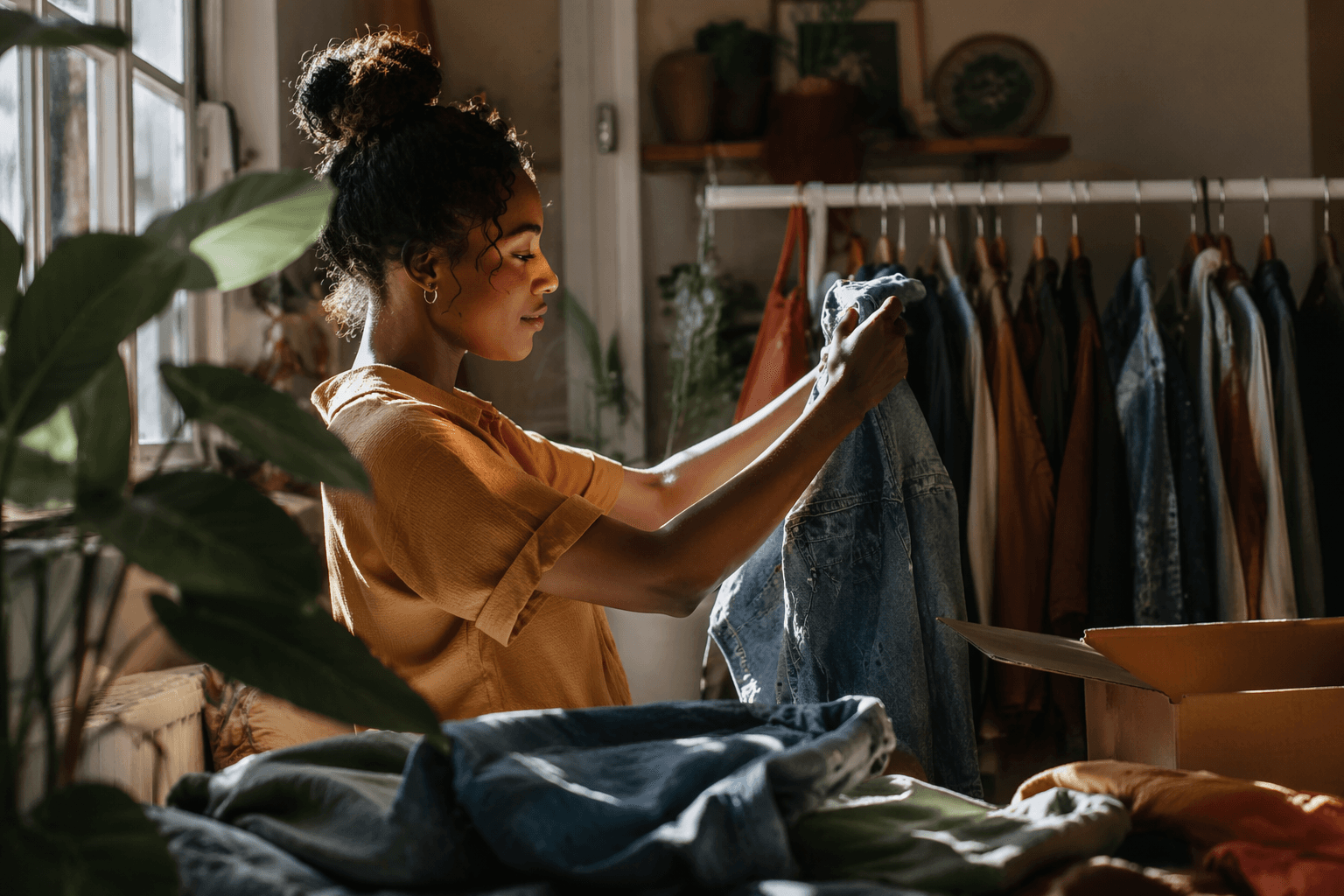
Etsy’s numbers explain why the policy conversation suddenly feels bigger than niche sustainability chatter. Back in 2021, the company said the U.S. second-hand market was projected to grow at a 39% compound annual growth rate from 2019 to 2024, reaching $64 billion. The scale of that projection makes one thing clear: if lawmakers get the rules right, resale can keep absorbing more mainstream demand. If they get them wrong, the friction will hit shoppers, sellers and the platforms trying to support them.
There is also a corporate power shift running underneath the culture shift. In February 2026, eBay announced it would acquire Depop from Etsy for approximately $1.2 billion in cash, subject to adjustments. That deal underlines how valuable the resale audience has become, even as Depop’s 2025 research with WRAP argued that secondhand shopping displaces purchases of brand-new items, giving the policy fight a harder environmental edge.
The takeaway is simple: secondhand is no longer a virtue badge pinned to the margins of fashion. It is a working system, and the next round of rules will decide whether it scales cleanly or gets buried under outdated tax, safety and cross-border headaches.
This article was produced by Prism’s automated news system from verified source data, official records, and press releases, then run through automated quality and moderation checks before publishing. The system is built and supervised by the people who set the standards it runs under. Read our full AI policy.
Know something we missed? Have a correction or additional information?
Submit a Tip