Dutch watchdog to probe fashion brands’ social-washing labor claims
Dutch regulators are digging into fashion's social washing as brands lean on advance audits and private certifications to sell worker-welfare claims they cannot prove.
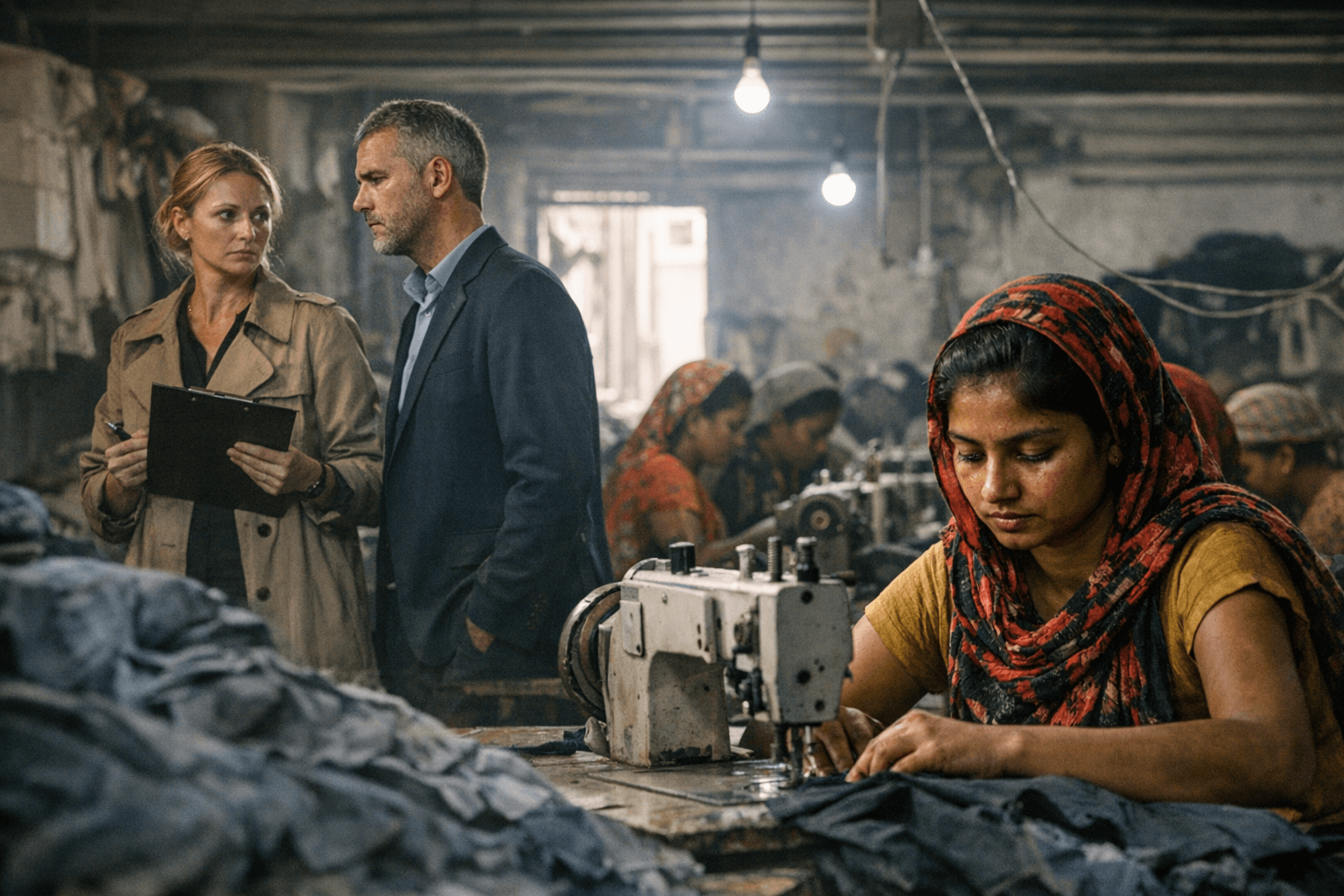
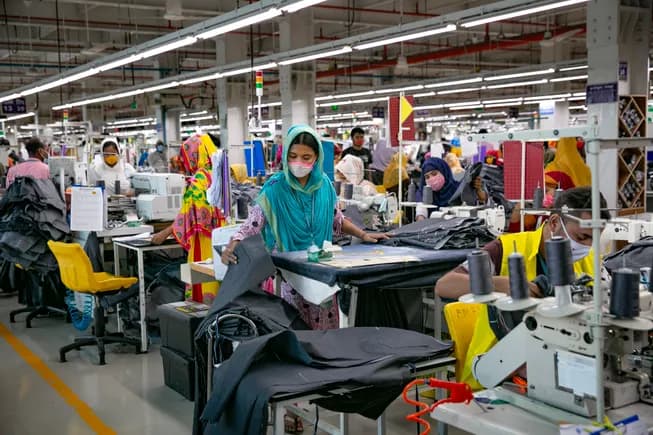
The glossy part of ethical fashion got a lot easier to sell than the proof. Dutch consumer authorities agreed to investigate how fashion brands’ social-washing claims can be tackled after groups warned that advance audits, private certifications and polished sustainability copy can hide the reality on factory floors.
SOMO, the Dutch Consumers’ Association, and the Clean Clothes Campaign brought their findings to the Netherlands Authority for Consumers and Markets, arguing that brands keep making broad claims like no forced labour, a safe working environment and fair pay across ads, websites and sustainability reports without backing them up. The problem is not subtle. Audits are often announced in advance, factories can be staged for the day, workers may be coached on what to say about wages and hours, and the final reports usually never see the light of day. If the evidence stays locked away, workers, unions and civil society are left judging a campaign shot instead of a supply chain.
The groups examined statements from dozens of clothing brands, and one consumer summary said the review covered about 80 labels and singled out 8 as the clearest examples of social washing. That is the scale of the accountability gap here: not a bad claim from one rogue brand, but a pattern across the market. The critique lands hardest on the idea that a spot-check audit can stand in for real labor-rights verification. A clean checklist does not tell you whether overtime was underreported, wages were manipulated, or a factory performed compliance for the inspector while workers paid the price.
WE Fashion became the poster child for the complaint. SOMO pointed to the brand’s 2024 sustainability report, which said its factories were 100% compliant with the goal of no forced labour. Consumer-group reporting also said WE Fashion used the slogan We care and claimed all factories were checked, while still maintaining that same 100% no-forced-labour line in its 2023 and 2024 reports. That is exactly the kind of language that sounds reassuring in a scrolling feed and much less convincing when you ask for the receipts.
The larger warning is older than the current complaint. Human Rights Watch said in 2022 that the social-audit and certification industry was bringing in at least US$300 million a year, while warning that the system was riddled with conflicts of interest, loopholes and weak safeguards. In other words, the fashion world has spent decades building a compliance machine that can look rigorous and still miss abuse.
That is why this Dutch case matters beyond one market. Environmental claims have already been dragged into sharper scrutiny, and now worker-welfare marketing is heading the same way. The next frontier is social washing, and brands will need more than a checklist, a logo or a slogan to convince anyone they are telling the truth.
This article was produced by Prism’s automated news system from verified source data, official records, and press releases, then run through automated quality and moderation checks before publishing. The system is built and supervised by the people who set the standards it runs under. Read our full AI policy.
Did this article answer your question?