Egypt plans carbon-neutral textile city with Cloud Chain in Port Said
Egypt is courting Cloud Chain for a 4.5-million-square-meter textile city in Port Said, a bet on jobs, exports and whether carbon-neutral manufacturing can be real.
Egypt is trying to turn Port Said into something far more ambitious than another factory zone: a carbon-neutral textile city that could stitch together spinning, dyeing, logistics and training in one export-ready address. On May 21, 2026, Investment and Foreign Trade Minister Mohamed Farid met Cloud Chain leaders in Cairo to discuss a project that officials want to call the Egyptian Textile Industries City - Cloud Chain, with the state framing it as the MENA region’s first integrated carbon-neutral textile industrial city.
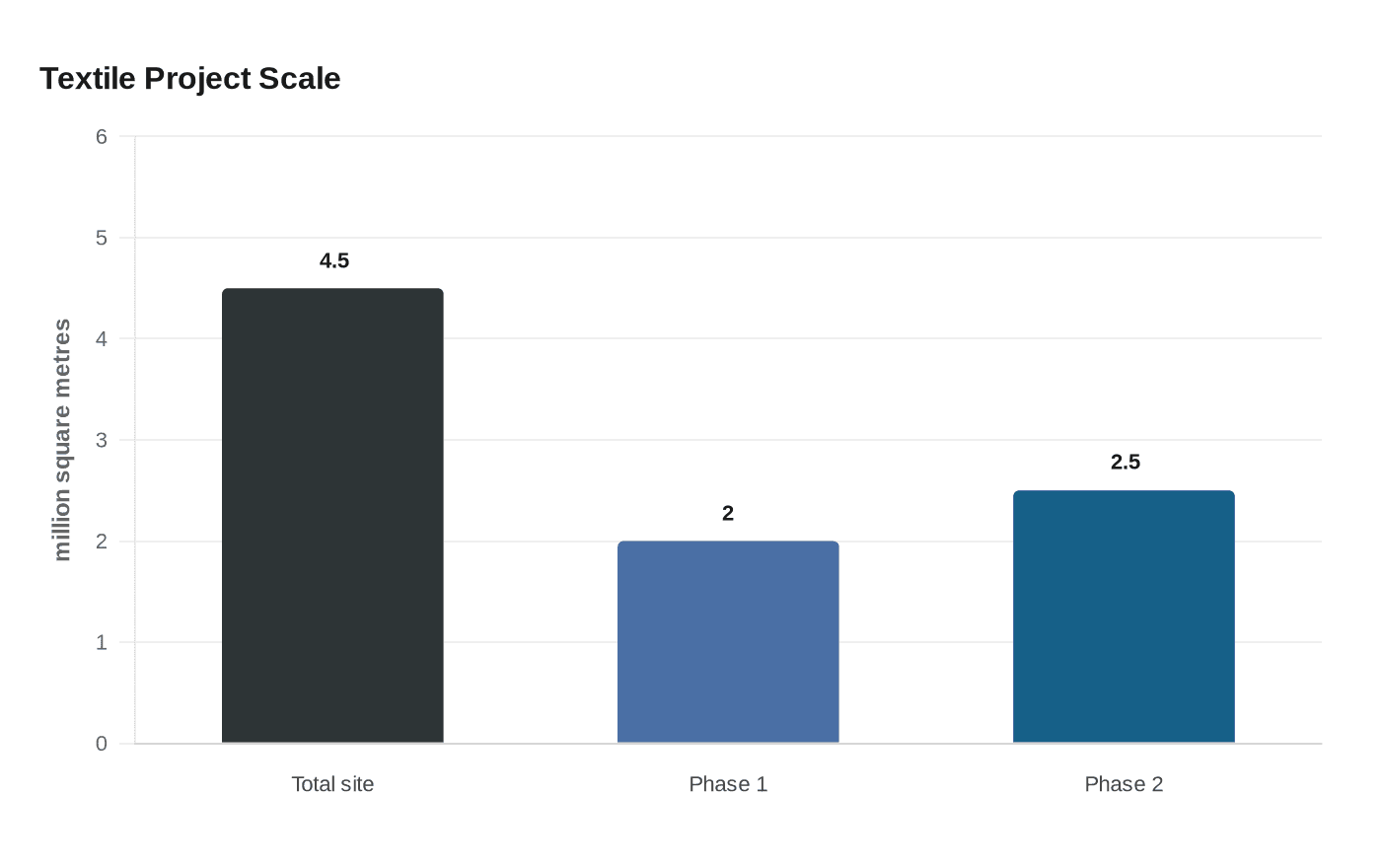
The scale is the selling point. The proposed site would cover 4.5 million square metres in Port Said Governorate, with total investment estimated at $1.5 billion to $2 billion and development split into two phases of roughly 24 months each. The first phase alone would span 2 million square metres and is meant to draw 30 to 50 textile manufacturers, plus technical and vocational training schools, logistics hubs and commercial centers. The second phase would add 2.5 million square metres and extend the value chain with feeder industries and complementary manufacturing.

That structure matters more than the ribbon-cutting language. A textile city only deserves the carbon-neutral label if it can show where the power comes from, how water is treated and reused, where dyeing and finishing happen, and how emissions are tracked from one tenant to the next. Those are the details that turn a headline into a sourcing option. For European brands looking closer to home than South Asia or East Asia, Port Said will have to prove that it can offer cleaner production, traceable inputs and labor standards that satisfy buyers who are under growing pressure to document every step of their supply chains.
Farid said Egypt is qualified to be a regional hub for integrated textile manufacturing and that the ministry is working to build an investment climate able to absorb global industrial-city projects. The ministry also wants the Egyptian Commercial Service in China to verify Cloud Chain’s capabilities as feasibility and technical studies continue, a reminder that the project is still moving through the due-diligence phase rather than construction.
The pitch lands at a useful moment for Egypt. Ready-made garment exports rose 10 percent year on year in the first quarter of 2026 to $862 million. Exports of spinning and textiles reached $577 million in the first half of 2025, while ready-made garment exports hit $1.939 billion in the first seven months of 2025. With the country targeting $12 billion in ready-to-wear garments and textiles by 2031, Port Said looks like a test case for whether China-backed industrial planning can evolve into credible nearshoring, or whether “carbon-neutral” remains mostly a very polished piece of industrial-policy branding.
Know something we missed? Have a correction or additional information?
Submit a Tip