Everlane sale to Shein raises questions over its sustainability claims
Everlane’s reported sale to Shein puts “radical transparency” on the spot. The brand says it cut Scope 1-3 emissions 60%, but its image now sits beside fast fashion’s most scrutinized name.

Everlane’s sustainability story now faces its hardest test: whether a brand built on ethical basics can keep its identity intact if Shein becomes the owner. The reported deal turns “radical transparency” from a neat marketing phrase into a blunt question about what survives when a purpose-driven label is folded into a fast-fashion machine.
The pressure is already visible. Katina Boutis, Everlane’s former head of sustainability, confirmed she is no longer working for the brand, and Everlane declined to comment on the reported sale or on whether layoffs were taking place. Any cuts were not large enough to trigger a WARN notice, a small but telling detail in a business where image and operating discipline have long been part of the pitch.
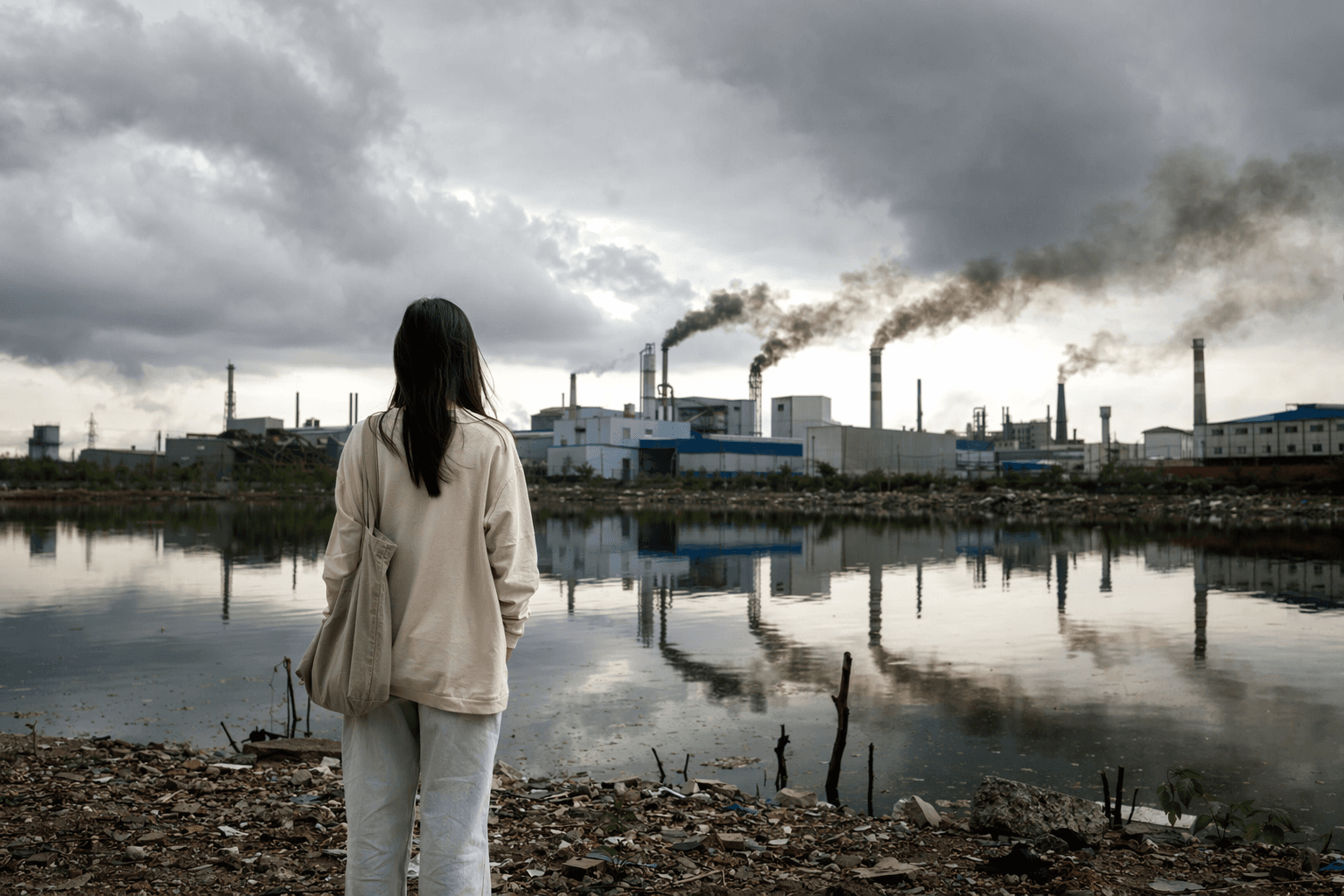
That pitch has been carefully built. Everlane says it has achieved a 60% absolute reduction in Scope 1 through Scope 3 emissions compared with its 2019 baseline. The company also says it is aiming for 55% lower carbon emissions per product by 2030, 46% lower absolute emissions from stores and headquarters by 2030, and net-zero emissions by 2050 or sooner. Its sustainability framework is organized around three pillars, Keep Earth Clean, Keep Earth Cool, and Do Right By People, with those priorities linked to the United Nations Sustainable Development Goals.
But the brand’s claims have never lived in a vacuum. Everlane was already working to position itself as a sustainability leader when it said in 2022 that it was closing in on B Corp certification. By 2023, its third annual impact report was being framed around materials and carbon reduction, part of a steady effort to make responsibility look measurable, saleable, and premium. Earlier, in 2020, Everlane and Reformation pushed back after Remake ranked them low on transparency, a reminder that “open” in fashion is often a contested label, not a settled fact.
That is why Shein matters here. Shein sits at the opposite end of the fashion spectrum: a scale-obsessed fast-fashion giant under intense scrutiny, even as it chases climate credibility of its own. WWD reported that the Science Based Targets initiative approved Shein’s goal of net-zero greenhouse-gas emissions across its value chain by 2050. The clash is hard to miss. If Everlane’s sustainability language can be separated from the operating model that produced it, then transparency has become a brand asset, not just a business ethic. For consumers, that changes the read on every clean cotton tee and pared-back sweater Everlane ever sold.
Know something we missed? Have a correction or additional information?
Submit a Tip