Fair Trade urges EU to include producers in textile ecodesign rules
Brussels is drafting textile rules that will reach global supply chains, while Fair Trade warns the makers behind them still lack a real seat at the table.
The European Commission is drawing up textile ecodesign rules that will reach cotton fields, workshops and factories far beyond Brussels, but the Fair Trade Advocacy Office says the people most exposed to those rules still have too little voice in shaping them. Its push is blunt: bring in smallholder farmers, artisans, workers and MSMEs from third countries now, before the EU locks in a system that looks rigorous on paper but misses the realities of production.
Textiles sit near the front of the line under the European Commission’s ESPR Working Plan 2025-2030, adopted in April 2025, and the textile delegated act is expected in early 2027. That gives the industry time to adjust, but not much room for error. The EU’s broader textiles strategy, published on 30 March 2022, set a hard-edged vision for garments placed on the market: durable, repairable, recyclable, largely made from recycled fibers, free of hazardous substances and produced with respect for social rights.
Fair Trade Advocacy Office says that vision will only hold if the legislative process reflects a fair transition for the people who grow and make the materials first. The group has called specifically for smallholder cotton farmers, artisans and Fair Trade stakeholders to be included more fully in the textile policy process, arguing that rules written without them risk shifting costs and compliance pressure onto communities with the least leverage. The office is also a member of the European Commission’s Ecodesign Forum, the expert body used to consult on ESPR rules.
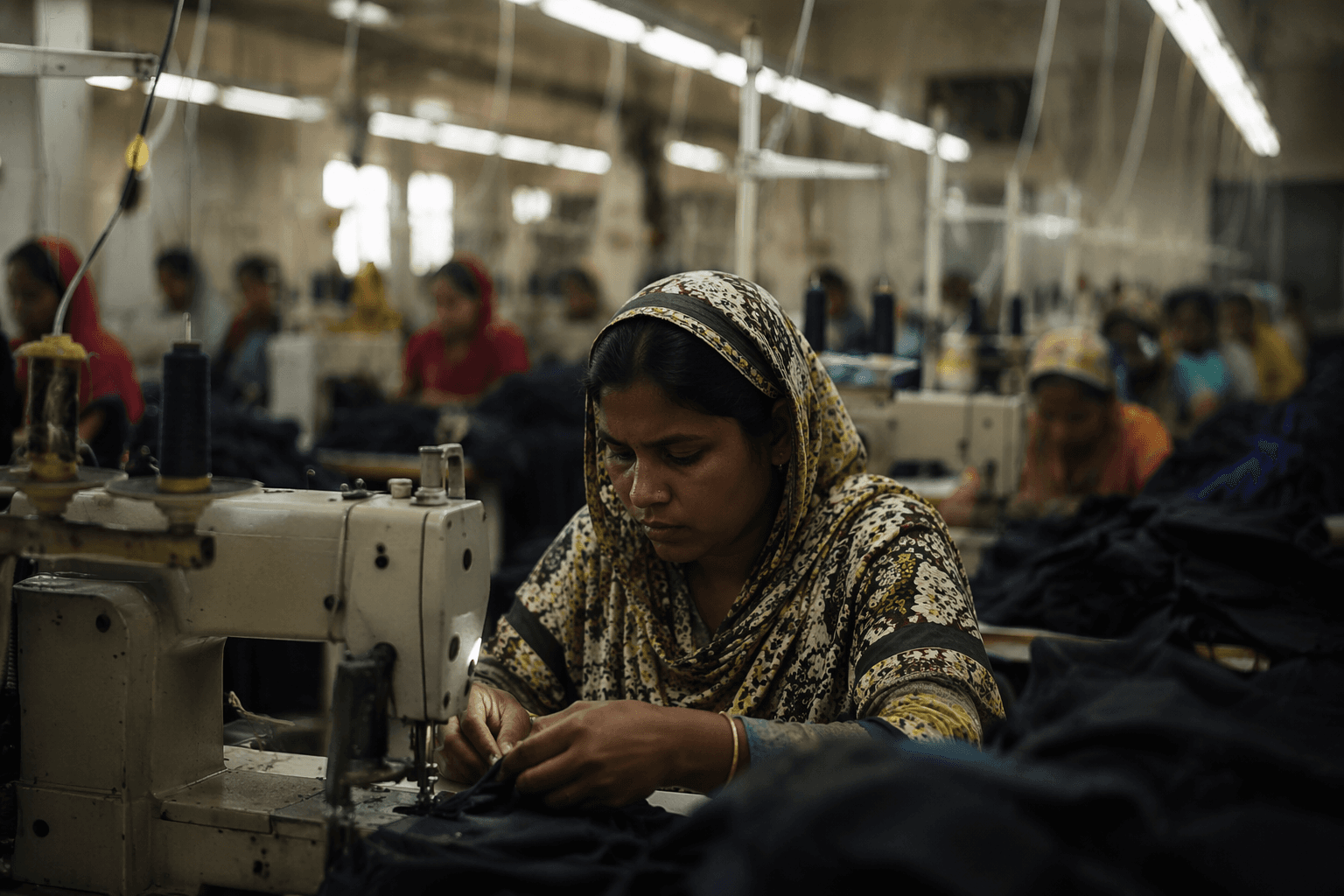
The Commission itself has said the ESPR depends on transparency and an inclusive approach so that relevant stakeholders can contribute. That principle matters because the policy file is still moving. The European Commission Joint Research Centre invited textile stakeholders to submit comments and additional information by 30 March 2026, another sign that the delegated act is still being shaped rather than settled.
The stakes are already visible in enforcement. On 9 February 2026, the Commission adopted measures under the ESPR to prevent the destruction of unsold apparel, clothing, accessories and footwear. For fashion brands and suppliers, that is the point of the regulation now emerging in Brussels: it is no longer just a sustainability statement, but a structure that will change how products are designed, sourced and accounted for. Fair Trade’s warning is that without third-country producers in the room, the EU could end up exporting its rules while importing the fallout.
This article was produced by Prism’s automated news system from verified source data, official records, and press releases, then run through automated quality and moderation checks before publishing. The system is built and supervised by the people who set the standards it runs under. Read our full AI policy.
Know something we missed? Have a correction or additional information?
Submit a Tip