Fashion brands face growing proof gap on product origin claims
Consumers no longer buy a made-in story at face value. Oritain found only 3% trust marketing claims, while 90% of brands tested in 2025 showed at least one prohibited cotton result.
Fashion’s origin story is getting harder to sell. As enforcement tightens in the United States and Europe, brands are facing a higher burden of proof, with paperwork, supplier declarations and heritage-driven marketing no longer enough to carry a claim on their own.
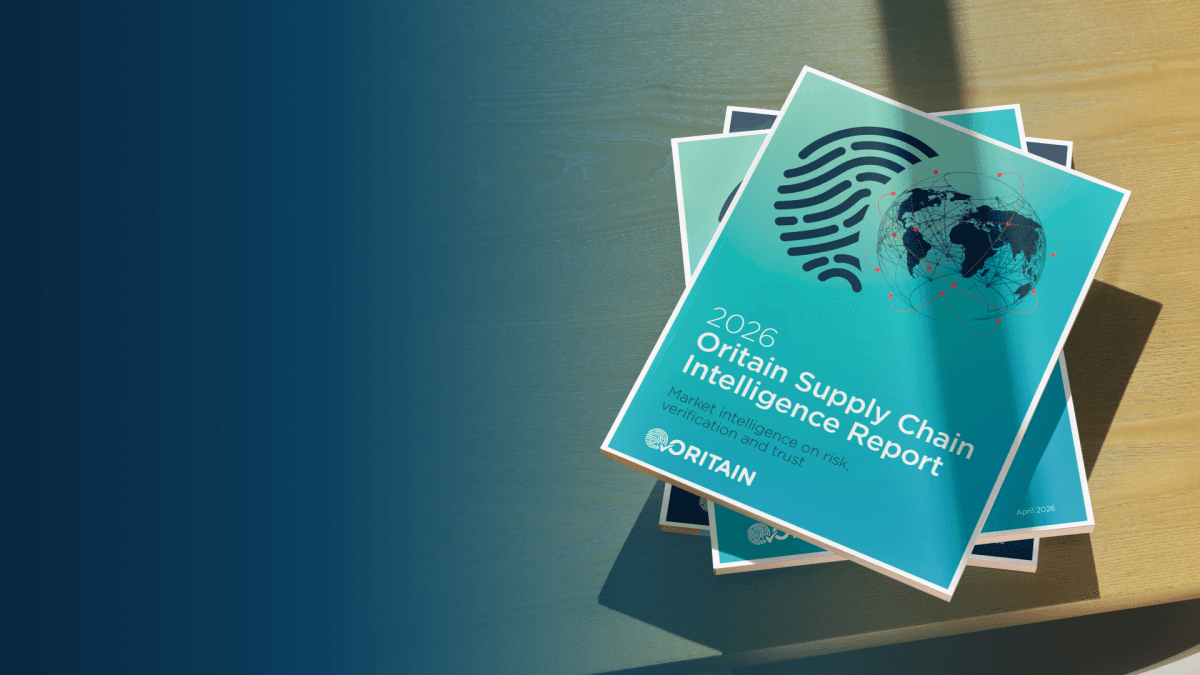
Oritain’s inaugural 2026 Global Supply Chain Intelligence Report, released on May 14, drew on more than 5,000 garments tested, a consumer survey of 2,595 shoppers and input from hundreds of industry professionals and suppliers. Its central warning was blunt: there is a widening Verification Gap between what brands document and what is actually in the supply chain. In the company’s testing, 90% of brands analysed in 2025 recorded at least one prohibited cotton result, up from 64% in 2024 after three years of decline.
The consumer side is just as unforgiving. Oritain found that 60% of consumers would not buy a product with an untrustworthy country of origin, while only 3% trust marketing claims. That leaves little room for vague labels, loose provenance language or romanticized sourcing stories that cannot survive scrutiny. For fashion, where “made in” can be as much about image as it is about manufacturing, the tolerance for half-truths is collapsing.
The operational consequences are already showing up. Oritain said 94% of U.K. companies and 87% of U.S. companies now trace their cotton supply chains, yet traceability alone does not prove origin. In the report, 80% of U.K. brands and 37% of U.S. brands surveyed had already experienced material impact, including border delays, financial penalties and disrupted production. That is the real cost of getting sourcing wrong: not just reputational damage, but inventory held up, margins squeezed and production plans thrown off balance.
The regulatory backdrop is getting sharper too. U.S. Customs and Border Protection says forced-labor enforcement is designed to protect U.S. economic and national security and uphold ethical labor standards. On August 19, 2025, officials said 78 new entities had been added to the UFLPA Entity List, bringing the total to 144 Chinese entities. In Europe, the European Commission says textiles carry the fourth-highest environmental impact after food, housing and mobility, that the EU uses 5 million tonnes of clothing each year, and that it will introduce a Digital Product Passport for textiles.
For brands, that adds up to a new standard: prove the fiber, prove the route, prove the claim. Anything less now looks like a liability dressed up as storytelling.
Know something we missed? Have a correction or additional information?
Submit a Tip