Global Fashion Agenda Maps Asia’s Rising Textile Sustainability Regulations
Asia’s textile hubs are facing sharper compliance pressure as Global Fashion Agenda maps rules across eight countries and Europe moves to stop destroyed unsold clothes.

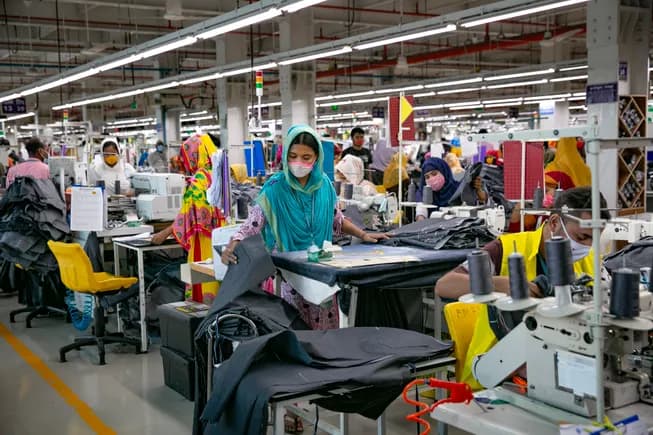
The compliance map for fashion sourcing just got a lot more specific. Global Fashion Agenda’s Policy Matrix: Asia, launched April 27, tracks textile-sustainability rules across Bangladesh, Cambodia, China, India, Indonesia, Pakistan, Türkiye and Vietnam, a group that GFA says accounts for a significant share of the region’s textile production.
What makes the matrix useful is not just the country list, but the direction of travel. GFA describes it as an evolving reference for sustainability stakeholders, and the Asia edition follows earlier EU and Americas matrices. In other words, the rulebook for fashion is no longer being written market by market in isolation. It is beginning to look connected, with circularity, traceability and waste reduction moving from ambition to operational pressure.
The first places to watch are the ones already moving from discussion to draft policy. In Dhaka on April 23, government, industry and sustainability stakeholders gathered around a draft Bangladesh National Strategy on Circular Economy for the Textile and Ready-Made Garments sector, a signal that Bangladesh is edging toward more formal expectations for how garments are designed, made and recovered. UNIDO has framed circular textile value chains as promising, but also as creating new regulatory requirements, which is exactly where suppliers feel the cost first, in documentation, waste handling and proof that processes match the claim. GFA’s own work already shows national Circular Fashion Partnerships established in Bangladesh, Cambodia and Indonesia, with Vietnam and Türkiye next in line.
For sourcing teams, that matters because the countries under the sharpest scrutiny are not all moving at the same speed. China and India bring scale, but Bangladesh, Indonesia, Cambodia and Vietnam are the names most likely to force day-to-day operational change first, especially where circularity programs, policy consultations and supply-chain projects are already in motion. The International Labour Organization’s Decent Work in Garment Supply Chains in Asia project has focused on Bangladesh, Cambodia, Indonesia, Pakistan and Vietnam, and its toolkit links environmental sustainability, decent work and regulatory design, a combination that will shape audit expectations as much as government policy does.
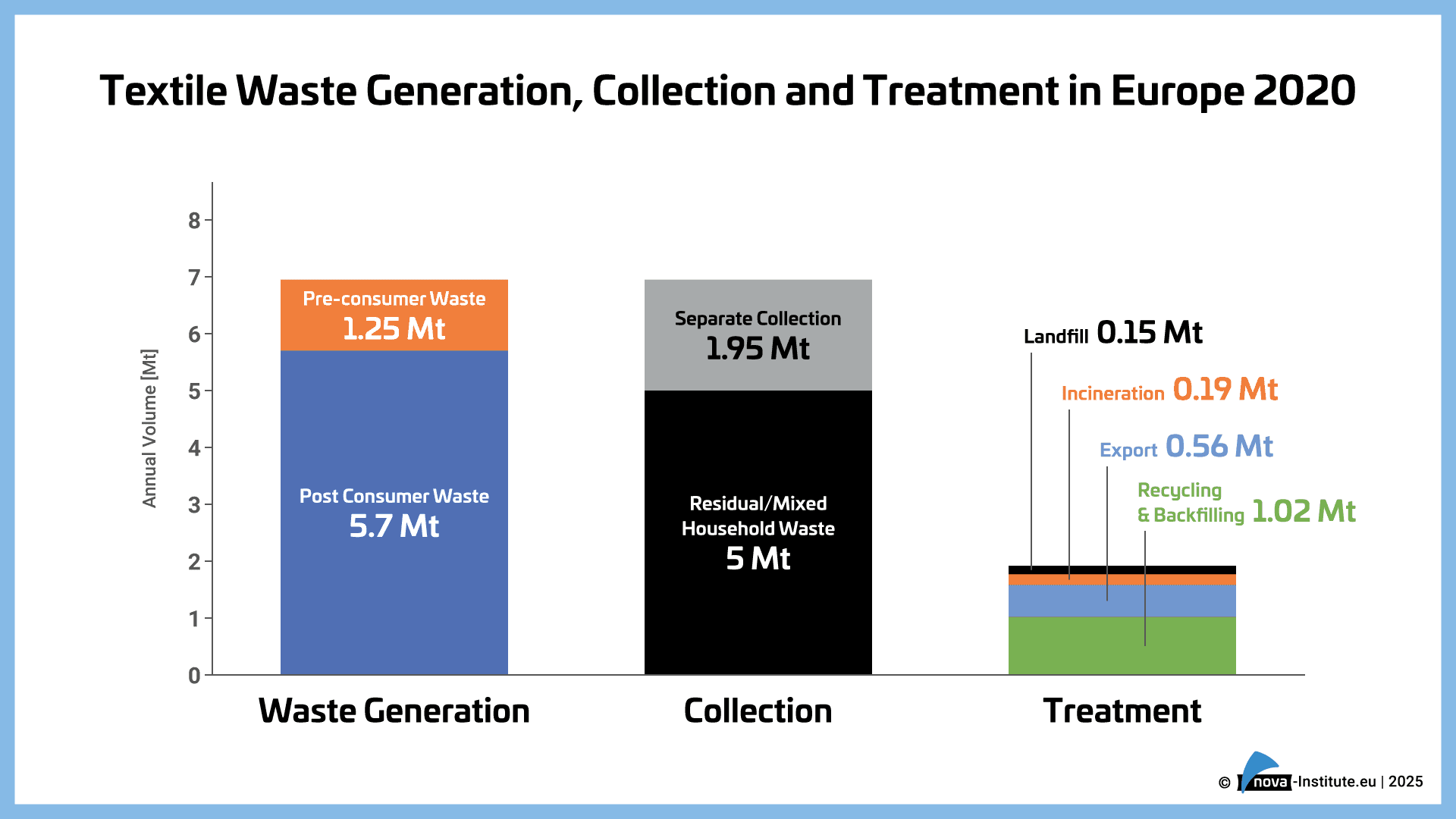
Europe is tightening the vise too. On February 9, the European Commission said new EU rules would stop the destruction of unsold clothes and shoes, noting that 4 to 9 percent of unsold textiles are destroyed before ever being worn and that the waste generates around 5.6 million tons of CO2. That is the real takeaway from GFA’s Asia matrix: the pressure is no longer limited to factory gates. It is moving upstream into sourcing strategy, supplier scoring and the proof brands will need when the next sustainability claim lands under scrutiny.
This article was produced by Prism’s automated news system from verified source data, official records, and press releases, then run through automated quality and moderation checks before publishing. The system is built and supervised by the people who set the standards it runs under. Read our full AI policy.
Did this article answer your question?