Good On You spotlights sustainable wedding outfits, from secondhand to ethical brands
The most sustainable wedding outfit is often already in circulation, and this guide shows how to choose secondhand, rental-minded, or genuinely ethical pieces without falling for greenwash.
The smartest wedding outfit is the one you do not buy new
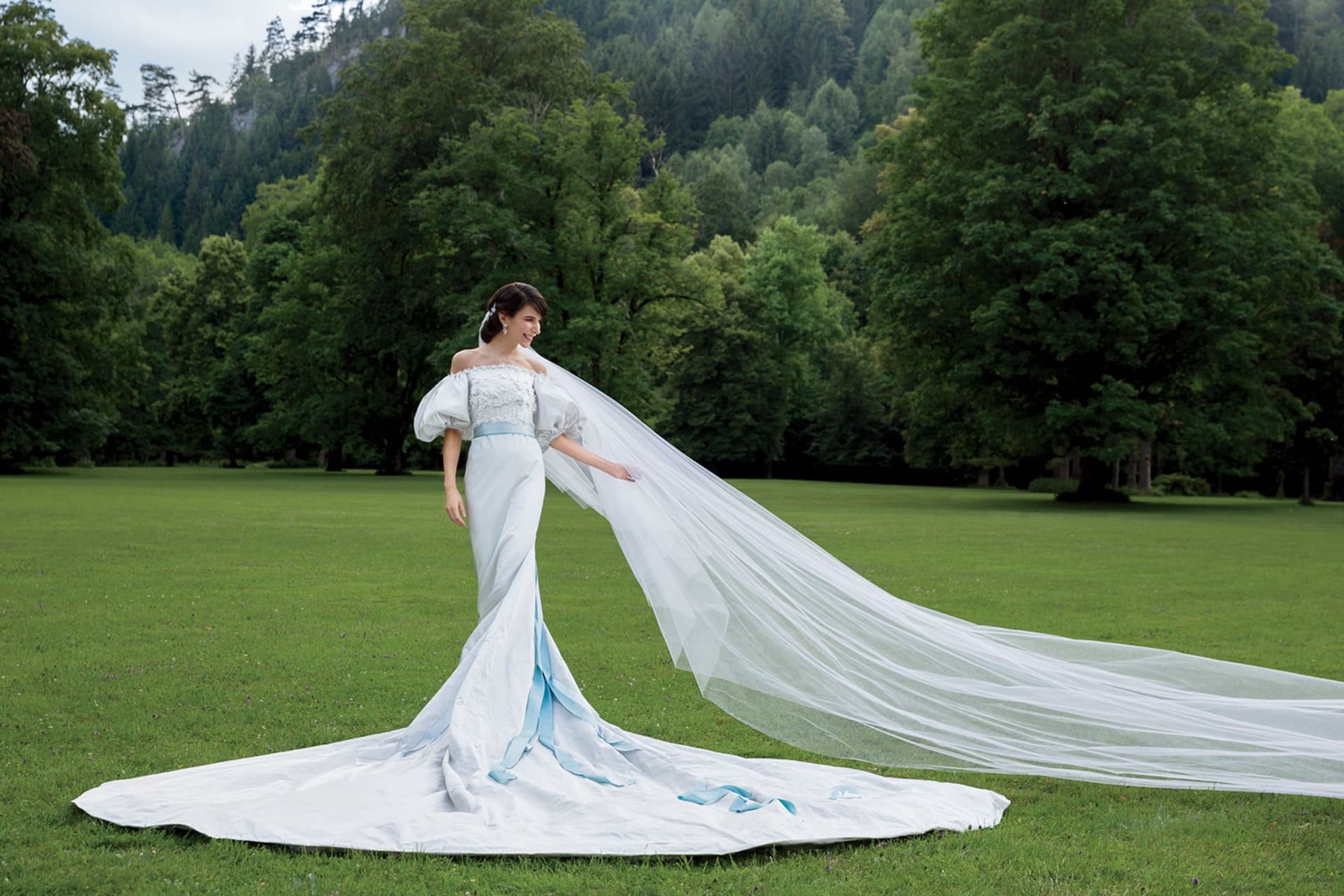
The most responsible wedding look often begins with restraint: a dress, suit, veil, or pair of heels that already exists. Good On You’s new bridal guide, written by Amy Miles, makes that the core premise and treats wedding dressing as a values decision as much as a style one. That matters, because the average wedding produces 400lbs, or 200kg, of garbage and 63 tons of CO2, and with an estimated 2.5 million weddings a year, that adds up to roughly 1 billion pounds of trash.
For a reader trying to avoid a single-use outfit, the shift is simple but powerful. Wedding fashion should not be treated as an exception to everything we now know about overproduction, overbuying, and waste. It should be treated as one of the clearest places to practice better taste: fewer new purchases, more rewear, and far more scrutiny of what a brand actually does.
Why the bridal aisle is a sustainability stress test
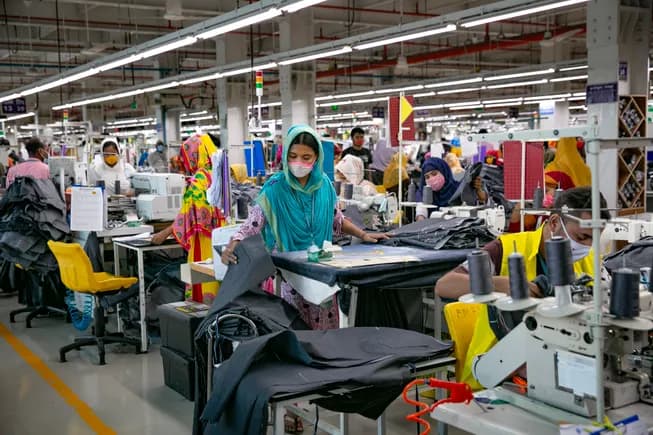
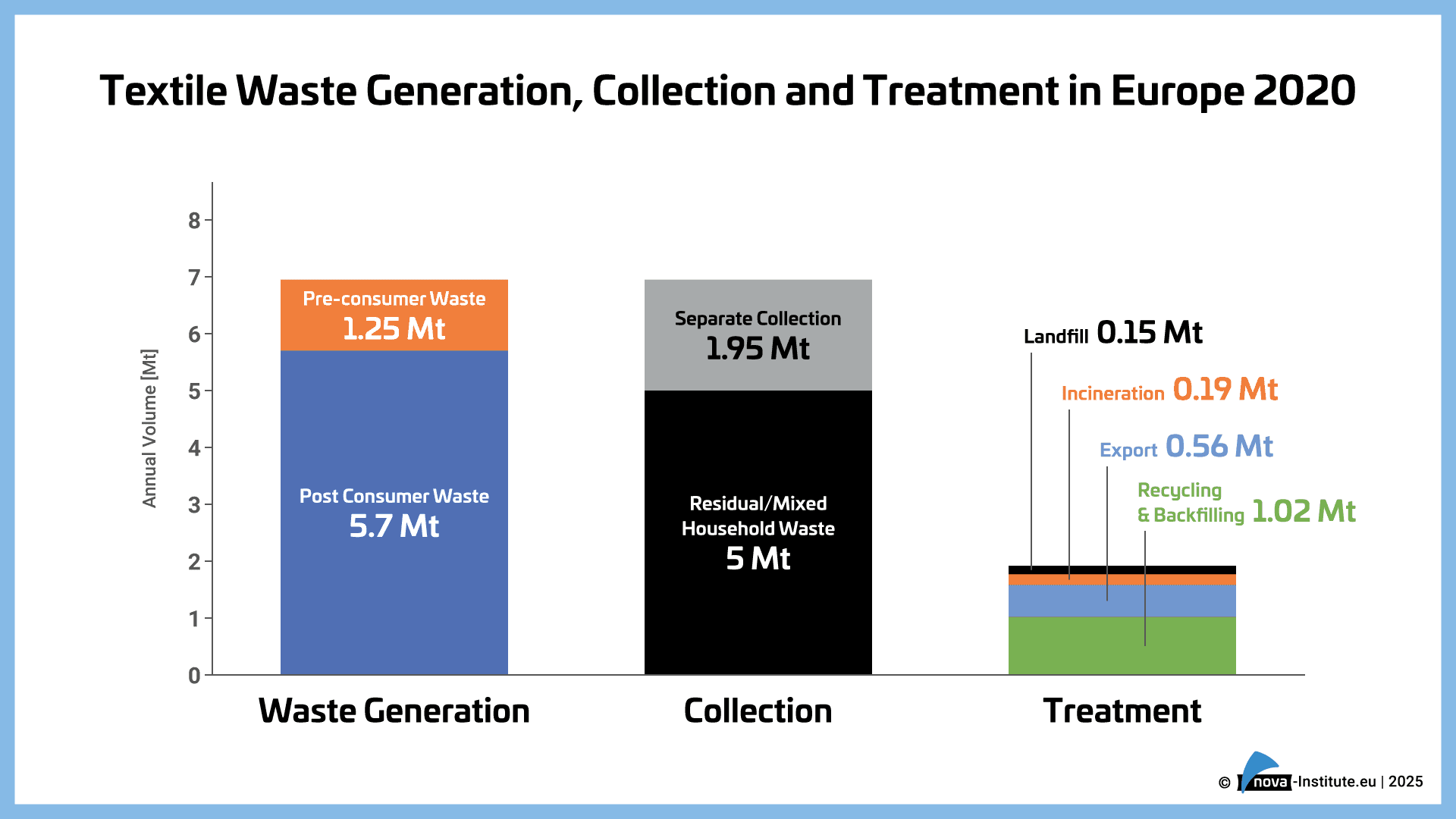
Weddings compress the entire fashion problem into one day. You are often asked to buy a garment for a single appearance, then archive it forever, even as the clothing industry continues to drive climate and environmental harm on a massive scale. UNEP estimates that fashion and textiles generate 2 to 8 per cent of global greenhouse gas emissions, and that the sector uses water equivalent to 86 million Olympic-sized swimming pools a year.
The Ellen MacArthur Foundation has long argued that the industry’s take-make-waste model is structurally broken. Its work says textiles rely on 98 million tonnes of non-renewable resources annually, while more than USD 500 billion of value is lost every year because clothes are underused and not recycled. In bridal terms, that is the difference between a gown worn once and a silhouette that earns a second, third, or tenth life.
Start with what already exists
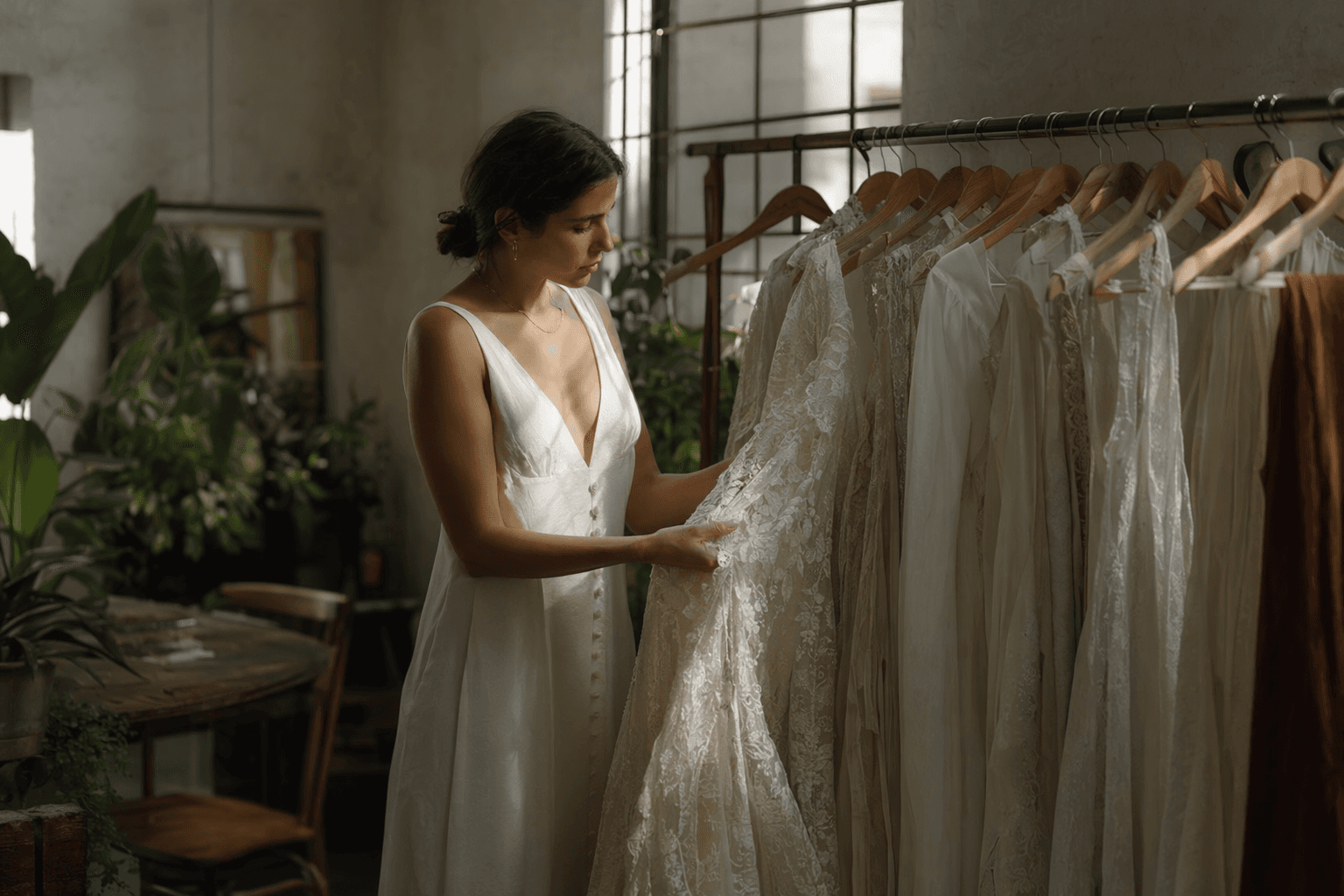
Good On You’s most practical advice is also its most persuasive: buy something pre-existing. Secondhand, vintage, thrift, charity, and online resale are the lowest-impact routes, and the guide names Still White, Borrowing Magnolia, Vestiaire Collective, and Vinted as places to look for wedding dresses, veils, accessories, and suits.
This is where sustainable wedding dressing becomes less about sacrifice and more about imagination. Secondhand is not only for the hyper-frugal or the eco-devoted. It is also the smartest route if you want a detail no current collection offers, or if you are chasing a specific shape, fabric, or embellishment that no longer sits on the market. The resale market is broadening fast too: the World Economic Forum said pre-loved clothing sales were on track to account for 10% of global fashion industry sales in 2024.
The best part is that secondhand can solve the budget problem without flattening the look. A well-cut satin column dress, a sharply tailored suit, or a veiled headpiece with a little history often photographs better than something bought in a rush from a rack of lookalikes.
If you buy new, make the brand earn the purchase
Good On You says the items in its guide come from brands independently assessed by its analysts for transparency and impact. That distinction matters, because not all “ethical” weddingwear deserves the label. A credible brand should be able to explain materials, labour, and supply chain with specifics, not just mood words about conscious luxury or modern romance.
Use this checklist before you buy:
- Does the brand disclose where the garment is made, and who makes it?
- Does it name fibers, mills, or production facilities, or only use vague language like “eco” and “responsible”?
- Is the piece built to be reworn, altered, or resold, or does it rely on trend-led novelty?
- Does it offer tailoring, repairs, or a clear resale pathway?
- Are the claims backed by independent assessment, or only by the brand’s own copy?
- Does the price reflect craftsmanship and materials, or is “sustainability” doing the marketing work?
Fashion Revolution’s 2024 What Fuels Fashion? report ranked 250 of the world’s biggest fashion brands and retailers on climate and energy disclosure, and it found that only 3% of the brands analyzed disclosed efforts to financially support workers affected by climate crises. That is a sobering reminder that transparency is not a marketing flourish. It is the minimum standard.
Tailoring is the most underrated sustainability tool in the room
A wedding outfit does not need to be new to feel special, and it does not need to be expensive to be credible. Tailoring can turn a near-perfect secondhand find into something that looks made for you, which is exactly how you avoid buying a dress you will never wear again. Hemlines, shoulder seams, sleeve lengths, and waist suppression matter more than novelty when the goal is a piece that holds its shape in photographs and still looks elegant at a dinner months later.
That logic applies to accessories too. Veils can be shortened, dyed, or reworked. Shoes can be worn again if they are comfortable enough to survive a long day. Even a suit becomes more useful when it is cut with future events in mind, not just one ceremony.
Why this is bigger than one wedding
Good On You’s earlier coverage of sustainable wedding planning, including its piece on Whimsy + Row founder Rachel Gringer, used the same hard numbers to make a bigger point: lower-impact ceremony choices can still feel personal, polished, and celebratory. The message is not to make weddings smaller in spirit. It is to make them less extractive in practice.
UNEP says it is working with organizations across the fashion and textile value chain to shift fashion communication away from extraction, exploitation, and disposable consumption toward regeneration, equity, and care. Fashion Revolution is pushing in a similar direction, arguing that brands should invest at least 2% of annual revenue into a just transition away from fossil fuels. These are industry-level signals, but they change the way a wedding shopper should think: the best purchase is the one that respects people, materials, and future use.
The new bridal brief
A sustainable wedding outfit is not defined by beige minimalism or a moralized refusal to enjoy clothes. It is defined by intelligence. Choose pre-owned first, tailor what you love, interrogate every claim, and when you do buy new, buy from brands that can prove how they work. That is how a one-day outfit becomes part of a longer, more disciplined wardrobe, instead of another beautiful object heading straight into storage.
This article was produced by Prism’s automated news system from verified source data, official records, and press releases, then run through automated quality and moderation checks before publishing. The system is built and supervised by the people who set the standards it runs under. Read our full AI policy.
Did this article answer your question?