How to choose a sustainable men’s shirt that lasts for years
The best shirt is the one you can trace: GOTS-backed organic cotton, linen, hemp, or TENCEL™ Lyocell, cut for repeat wear and easy repair.
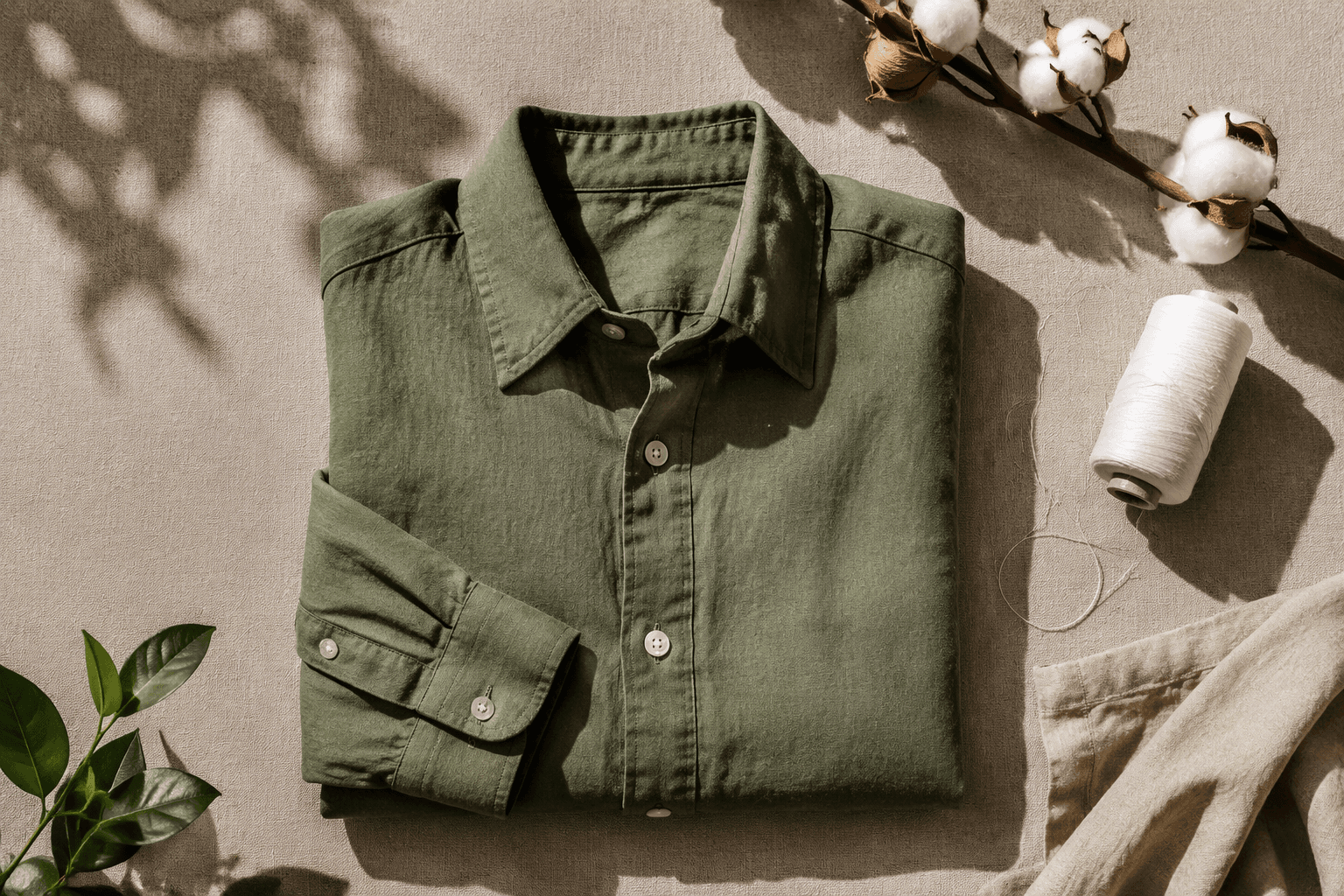
More than 13,549 facilities were certified to GOTS in 2022, the kind of paper trail that separates a credible shirt label from a vague “eco” hangtag. A men’s shirt can do almost everything in a wardrobe, from office duty to weekend layering, which is exactly why it is such a tempting place for greenwash. The labels that matter are the ones that can survive scrutiny: fiber content, processing standard, traceability, and construction. If a shirt is going to earn years of wear, those details matter more than a generic sustainability claim.
What organic really means on a shirt label
Organic cotton is the obvious baseline because it keeps the familiar hand of a classic button-up while avoiding the heavy pesticide and fertilizer load associated with conventional cotton. Conventional cotton is one of the most chemically intensive crops, with consequences that reach air, water, soil, climate, and worker health. That is why “organic” should not be treated as a mood word, but as a sourcing decision with real downstream consequences.
The certification that gives that decision weight is GOTS, the Global Organic Textile Standard, a processing standard for textiles made from certified organically produced raw materials.
For buyers, the practical rule is simple: organic cotton is a strong start, but only if the processing claim is specific. A shirt can feel soft, look natural, and still hide a messy dyeing or finishing story unless the brand can point to certification that covers the textile through more than one step.
Choose the fiber for the shirt you actually wear
The best sustainable shirt is the one you will reach for on repeat. A shirt that works with tailoring, denim, knitwear, and travel layers earns more wears per purchase. Fit is part of that equation: a relaxed cut usually adapts better over time than a sharply tailored one, and a slightly longer hem makes layering easier without fuss.
Organic cotton: the easy classic
If you want the cleanest read on a button-down, organic cotton is the safest place to start. It is a familiar material for a shirt that should feel crisp, breathable, and uncomplicated. Look for it when you want a white poplin or Oxford that still feels like the shirt you already know, just with a better paper trail.
Linen: the airy shirt with real pedigree
Linen brings a very different mood, lighter and more architectural, with a dry texture that makes even a plain white shirt feel considered. Flax, the plant used to make linen, is one of the oldest continuously cultivated plants in the world, and ancient Egyptians used fine linen as an expression of class and wrapped mummies in linen bandages. Linen comes from flax, a bast fiber from the stem of the plant, and the CFDA says flax represents less than 1% of all textile fibers consumed globally.
A good linen shirt often feels more special than a cotton one, and the sustainability case is practical too. Linen generally requires less water than cotton and does not need pesticides or chemical fertilizers to thrive. It is the shirt to choose for warm weather, relaxed tailoring, and an easy drape over trousers or worn open over a tee.
One caveat keeps linen greenwashing-proof: linen is sometimes incorrectly used to label other lookalike textiles, so check the fiber content carefully and do not rely on the word itself.
Hemp and TENCEL™ Lyocell: the modern alternatives
Hemp is the choice for a shirt that needs body and toughness. It tends to feel crisp, and a 2025 comparative life cycle assessment found hemp fiber production processes have fewer negative environmental impacts than cotton. If you want a shirt that looks sturdy rather than silky, hemp can be the sharper choice, especially in workshirts and utility shapes.
TENCEL™ Lyocell takes the opposite route: softer, smoother, and more fluid. Lenzing says the fiber is made from wood pulp and produced through a closed-loop process that recovers more than 99.8% of the solvent. The company says it has been producing fibers for over 80 years and that more than 1,000 brands trust its fibers. Good On You called lyocell a lower-impact option in its 2023 guide while still calling it imperfect, which is the right level of caution for a fabric that can feel almost too polished if the shirt is meant to hold structure.
Blends matter here. Hemp blended with cotton can soften stiffness while keeping a bit of backbone; lyocell blended into a shirt can add a cooler, more liquid drape. The tradeoff is visual as much as technical: cotton keeps a shirt familiar, hemp makes it feel workwear-adjacent, and lyocell pushes it toward softness and movement.
Where the green claim lives or dies: dyeing, finishing, and traceability
A shirt’s fiber is only the first chapter. Color, softness, wrinkle resistance, and that slightly slick hand you sometimes feel on a “premium” shirt often come from dyeing and finishing, which is where environmental impact can climb fast. GOTS matters here because it is a processing standard, not just a farm-level label, and it sets environmental and social criteria along the textile supply chain.
That is the key buying test: can the brand tell you how the shirt was processed, not just what it started as? For brands, the same question becomes a risk issue. If your sourcing file stops at “organic cotton” without traceability through processing, the claim is thin, and thin claims are where reputational trouble starts.
Construction is what keeps a shirt in rotation
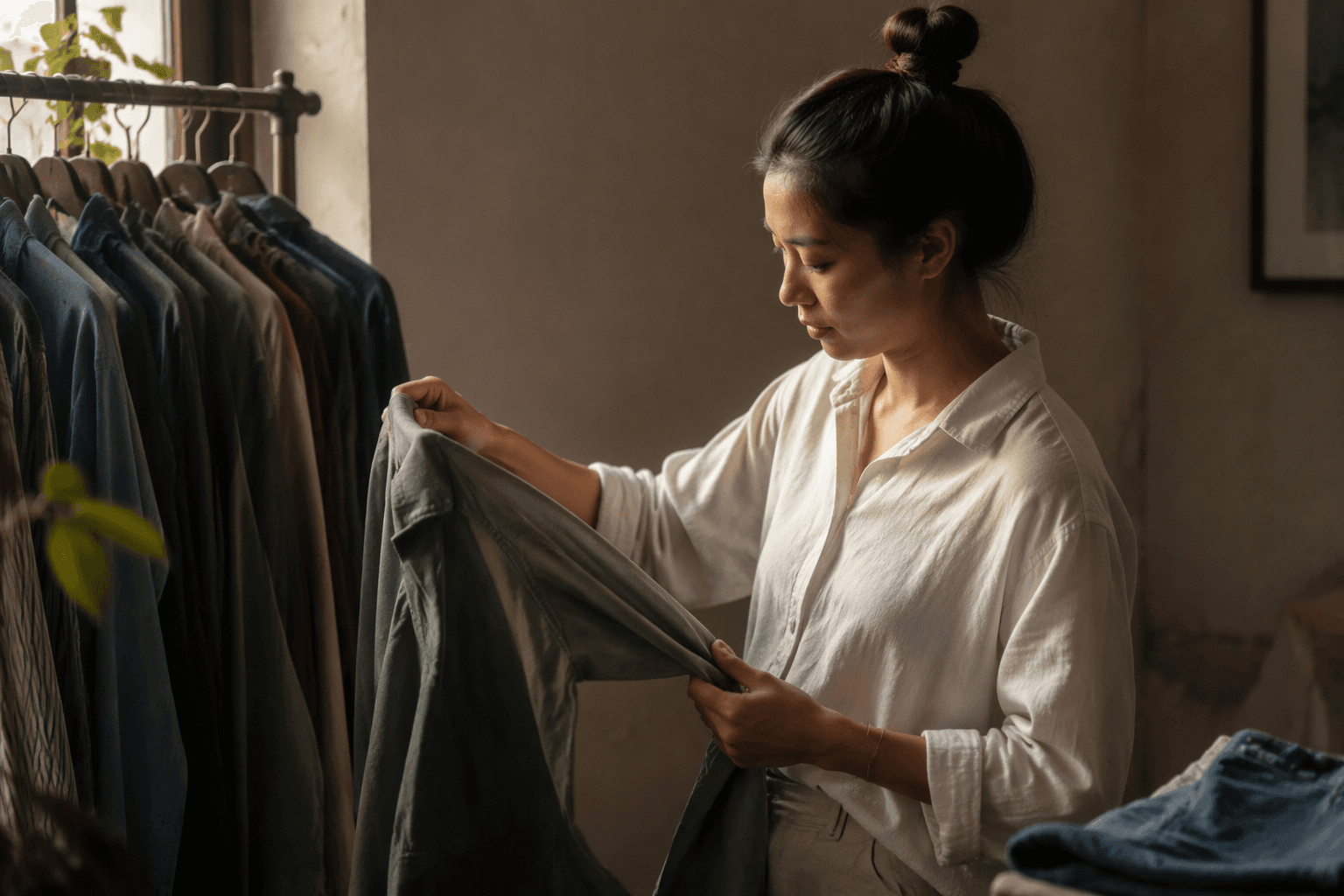
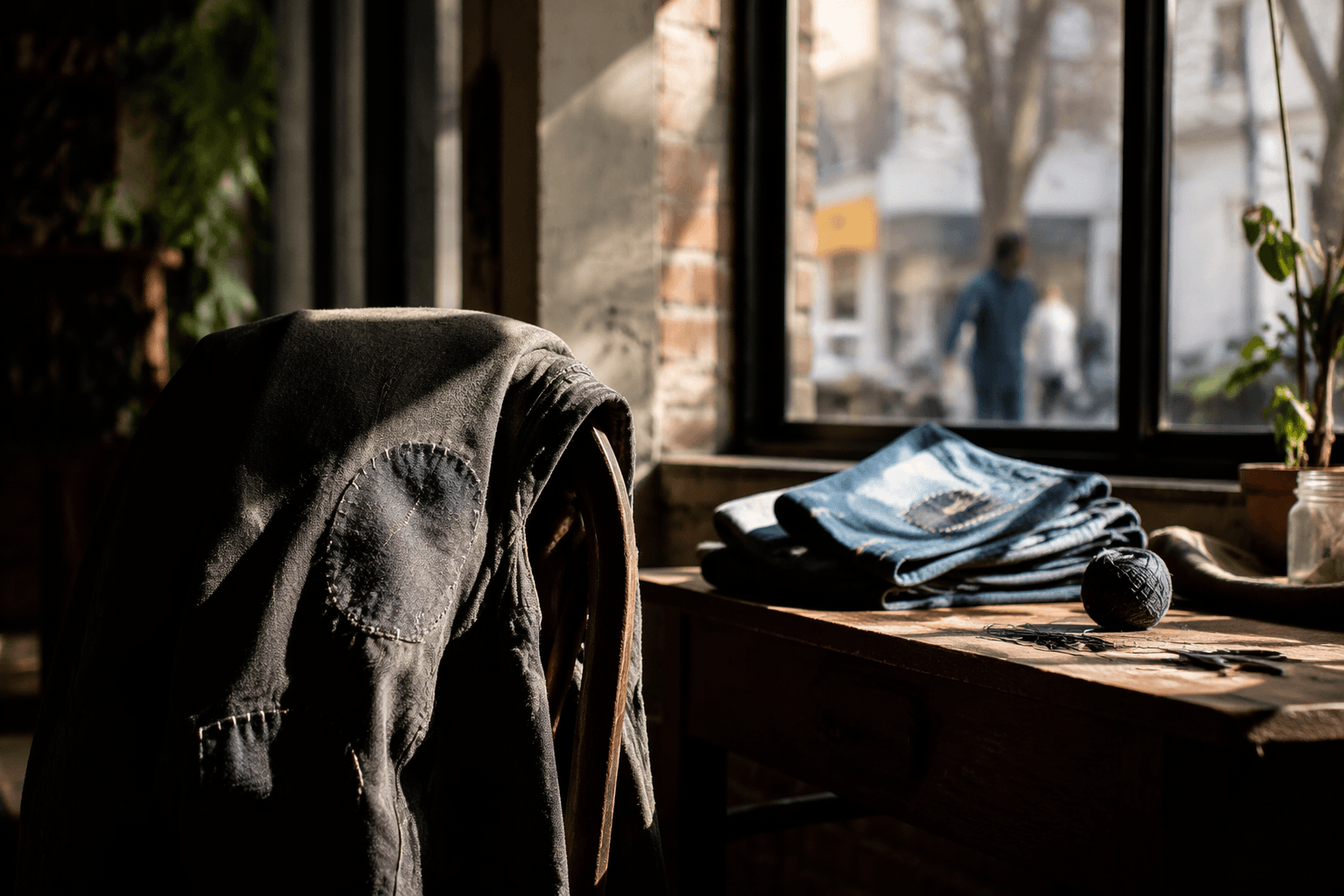
Sustainability is supposed to show up in the closet, not just on the label, so look at the shirt like you intend to keep it. Dense stitching, reinforced seams, and spare buttons are not small details; they are the difference between a shirt that can be repaired and one that becomes a donation-bin casualty after a minor tear. A simple collar usually ages better than a trend-led one, and a versatile hem lets the shirt work tucked, untucked, or layered under knitwear.
The most convincing shirt is the one that can handle a business-casual office, a Saturday with denim, and travel without looking overworked.
The shortest sustainable shortlist
If you want the cleanest classic button-up, choose GOTS-certified organic cotton. If you want heat, texture, and an easy drape, choose linen and verify that it is actually flax. If you want structure, look to hemp. If you want softness and fluid movement, TENCEL™ Lyocell is the most convincing modern option, provided the brand can show real traceability.
This article was produced by Prism’s automated news system from verified source data, official records, and press releases, then run through automated quality and moderation checks before publishing. The system is built and supervised by the people who set the standards it runs under. Read our full AI policy.
Did this article answer your question?